
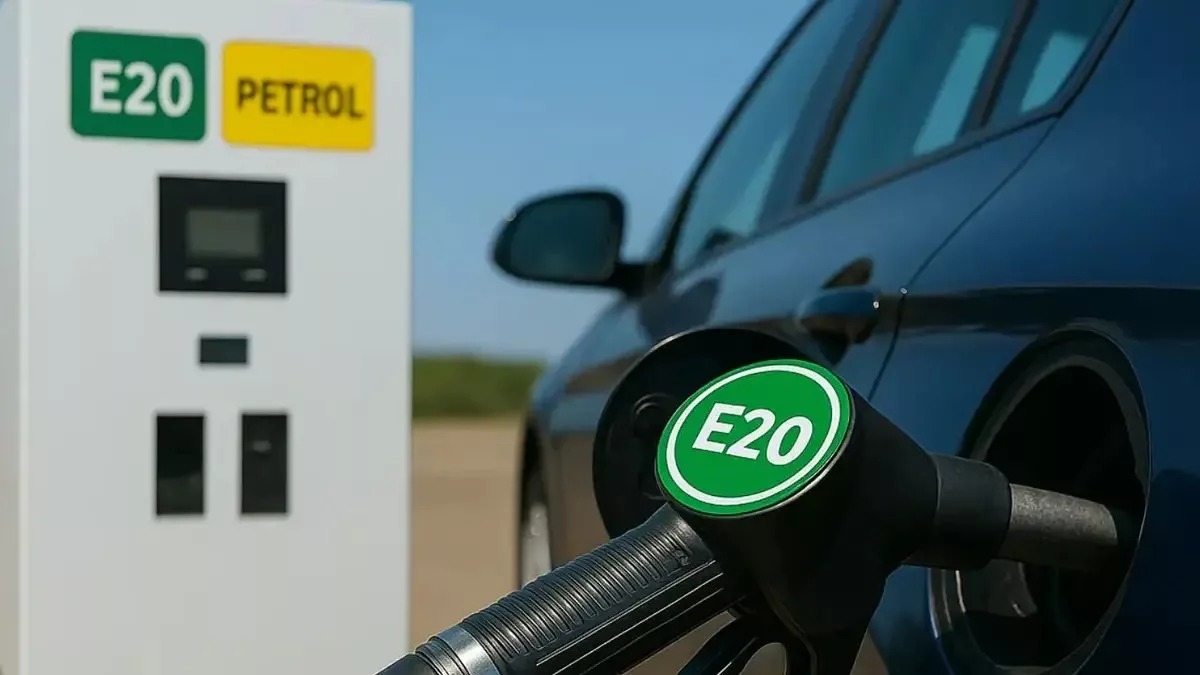
Just hours after the Indian government publicly assured citizens that ethanol-blended E20 petrol was safe, the Society of Indian Automobile Manufacturers (SIAM) withdrew a formal complaint on fuel contamination that it had submitted to the Ministry of Petroleum and Natural Gas only a week earlier. The stated reason: the figures needed further verification.
But a set of internal communications between industry executives, reviewed by Reuters, tells a more layered story. In the days leading up to the withdrawal, senior figures at Maruti Suzuki, Tata Motors and Mahindra discussed concerns over contamination in E20, what the industry describes as the most extensive fuel-testing exercise it has undertaken since the government began nationwide rollout of the 20%-ethanol blend last year as part of its push to cut pollution and reduce oil imports.
Since April 1, E20 has been the only petrol available at the pump, and consumer unease has grown steadily. Hundreds of motorists have reported reduced mileage and increased wear and tear, and at least one legal challenge has been filed. The now-withdrawn SIAM letter had pointed to two specific contaminants, chloride & moisture, with data tables showing moisture levels as high as 13,000 ppm in Andhra Pradesh and 12,500 ppm in Uttar Pradesh, far above the government’s permissible benchmark of 3,000 ppm. Coastal outlets were flagged as particularly vulnerable, where humidity & ageing storage infrastructure compound the risk.
The concern isn’t cosmetic. Excess moisture in ethanol-blended fuel can trigger phase separation, where petrol & ethanol split apart, which industry sources say can damage fuel pumps and injectors, & in some cases stall a vehicle immediately after fuelling. High chloride content, separately, has been linked to corrosion of engine parts.
SIAM’s official line is that the letter was sent inadvertently, with testing sample sizes too small to support firm conclusions, and that a proper scientific study is now planned. The petroleum ministry has not responded to requests for comment. Petroleum Minister Hardeep Singh Puri said that oil marketing companies had begun rigorous retail testing two weeks before receiving SIAM’s letter, and found only four cases of contamination. State-run fuel retailers have echoed that there is “no cause for alarm.”
The government has previously acknowledged that fuel efficiency in older petrol vehicles can drop by 2–6% on E20, and that BS3 & earlier models may need rubber hoses and gaskets replaced for compatibility.
Whether the discrepancy between private industry data & public reassurance gets resolved through SIAM’s promised fresh study remains to be seen, but for now, motorists are left weighing dealership talk against boardroom emails.
