
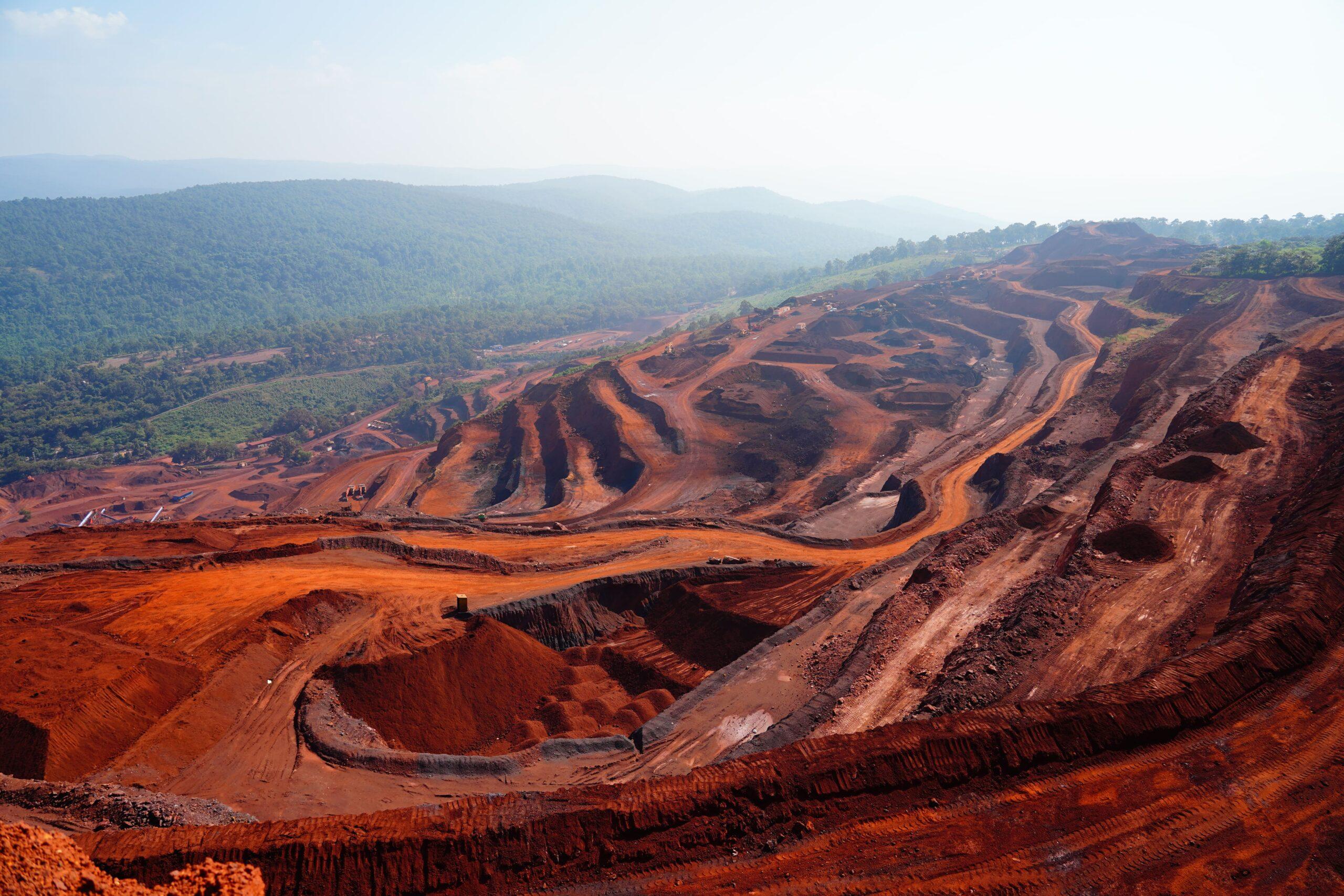
The passage of the Mines and Minerals (Development and Regulation) Amendment Bill, 2026, marks a significant shift in India’s mining policy — and its impact could be particularly important for Odisha, one of the country’s leading mineral-producing states.
Passed by Parliament on August 13, the legislation seeks to restrict state governments from imposing taxes, cess or other levies on mineral rights and mineral-bearing lands, except under conditions prescribed by the Central Government. The Centre has argued that the move will reduce excessive fiscal burdens, improve the commercial viability of mining operations and create a more predictable investment environment.
For Odisha, however, the reform presents both an opportunity and a challenge.
Investment boost or revenue concern?
Odisha’s economy is deeply linked to its mineral resources, particularly iron ore, coal, bauxite and manganese. The state’s mining ecosystem supports steel, aluminium, power, logistics, construction and a wide network of ancillary industries.
Industry voices have welcomed the amendment, arguing that a more uniform fiscal framework could encourage fresh investment and increase mineral production. The Centre and Odisha’s ruling BJP have also maintained that greater competition and investment could ultimately strengthen economic activity and employment in the state.
But critics have raised concerns about the potential impact on Odisha’s mineral-related revenues. Some estimates cited in recent reports suggest the state could face a substantial reduction in annual mineral-related revenue, with concerns also being raised over outstanding dues.
This creates the central question for Odisha: Will greater investment and industrial activity compensate for any reduction in the state’s direct revenue from mineral resources?
A changing balance between Centre and states
The amendment also touches upon a larger constitutional and economic debate.
The Supreme Court’s 2024 ruling had affirmed that states possess the authority to tax mineral rights, distinguishing such taxation from royalty. The 2026 amendment seeks to establish a new statutory framework that places restrictions on state-level levies.
For mineral-rich states such as Odisha, the issue is therefore not simply about mining companies paying more or less. It is also about how the economic value generated from natural resources is distributed between the Centre, state governments, industries and local communities.
What could it mean for investors?
For investors, the proposed framework could offer greater certainty.
A more predictable levy structure can make long-term mining projects easier to evaluate, particularly for companies considering large investments in exploration, extraction, processing and downstream manufacturing. The government has positioned the reform as a measure to improve ease of doing business and unlock India’s mineral potential.
For Odisha, this could potentially strengthen its position as a destination for mining-linked industries — provided investment translates into value addition, employment and infrastructure development within the state.
The bigger opportunity may therefore lie beyond simply extracting more ore. Odisha could use its mineral advantage to attract greater investment in beneficiation, mineral processing, metals manufacturing, critical minerals and downstream industries.
The road ahead for Odisha
The MMDR amendment comes at a time when India is seeking greater domestic access to critical minerals needed for clean energy, electronics, defence and advanced manufacturing. Odisha is already seeing significant exploration activity in critical minerals, with government agencies undertaking multiple exploration projects in the state.
The success of the new framework will ultimately depend on whether it can achieve a delicate balance: making mining more attractive for investors without weakening the economic interests of mineral-rich states.
For Odisha, the debate is therefore bigger than mining policy. It is about how the state converts its geological wealth into long-term economic value.
The question now is not merely how much Odisha can mine, but how much sustainable investment, industrial growth, employment and public value it can build from what lies beneath its soil.
