Interview Times
Introduction
On December 13, 2001, five heavily armed terrorists belonging to the Pakistan-based Lashkar-e-Taiba (LeT) and Jaish-e-Mohammed (JeM) groups launched a coordinated attack on the Indian Parliament House in New Delhi. The attack, which lasted for over 30 hours, resulted in the deaths of nine people, including five security personnel, two Parliament staff members, and one civilian. All five terrorists were also killed.
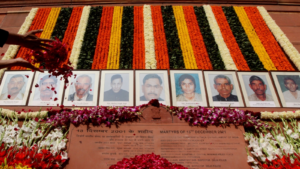
The deadly terror attack on Indian Parliament, 21 years back shaked the country. Today, India pays tribute to the martyrs who made the ultimate sacrifice while preventing the attack.
The Attack
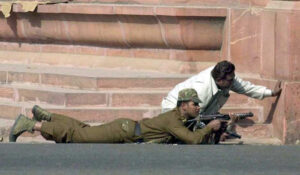
The terrorists entered the Parliament House complex in a white Ambassador car with a fake Home Ministry sticker. They were stopped at the main gate, but they forced their way through after firing at the security guards. Once inside, they split up and opened fire indiscriminately, killing several people and injuring many others.
The security forces retaliated quickly, and a fierce gun battle ensued. The terrorists took up positions in the Central Hall of the Parliament House, where they were eventually cornered and killed.
The Aftermath
The 2001 Parliament attack was a major blow to India’s security establishment. It exposed the vulnerability of the country’s most important institutions and led to a heightened sense of insecurity among the public.
The attack also led to a sharp increase in tensions between India and Pakistan. India accused Pakistan of supporting the attack, and the two countries came to the brink of war in the following months.
The Investigation
The Indian government launched a major investigation into the attack. The investigation found that the terrorists had been trained in Pakistan and had been given logistical support by Pakistani intelligence agencies.
The Indian government also presented evidence to the international community, which condemned the attack and called on Pakistan to take action against the terrorist groups operating on its soil.
How Afzal Guru got arrested?
The arrest of Afzal Guru in connection with the 2001 Indian Parliament attack is a contentious issue surrounded by allegations of torture and legal complexities.
On December 15, 2001, Delhi Police arrested Afzal Guru, along with others, based on leads related to the car used by the attackers and phone records.He faced various charges under the Prevention of Terrorism Act (POTA) and the Indian Penal Code, including waging war against the state, criminal conspiracy, and harboring terrorists and a lengthy trial ensued, with multiple witnesses and evidence presented against him.
Controversial aspects
- Torture Allegations: Afzal Guru, in a letter to his lawyer, claimed he was illegally detained and tortured by Jammu and Kashmir Police officer Davinder Singh months before the attack. This allegation wasn’t officially addressed in court.
- Davinder Singh’s Confession: In 2006, Davinder Singh admitted to torturing Afzal Guru in an interview, though he denied any connection to the Parliament attack.
- Lack of Physical Evidence: No concrete evidence directly linking Afzal Guru to the attackers was presented in court. However he himself accepted about the attack and he had also mentioned how he executed the plan.
The Legacy
The 2001 Parliament attack is a stark reminder of the threat posed by terrorism. It also highlights the importance of international cooperation in the fight against terrorism.
The attack also led to a number of changes in India’s security policies. The government increased security at the Parliament House and other important institutions. It also stepped up its efforts to counter terrorism, both domestically and internationally.
The 2001 Parliament attack is a dark chapter in India’s history, but it is also a reminder of the country’s resilience in the face of adversity. The attack led to a number of important changes that have made India a safer and more secure country.
Outcome:
On 2005, He was convicted by the designated court under POTA and Supreme Court upheld the conviction but commuted the death sentence to life imprisonment due to lack of “incontrovertible” evidence on 2006. On 2013 Supreme Court reviewed the case and awarded the death penalty, citing the gravity of the attack and finally on February 2013 Afzal Guru was hanged till death in Tihar jail, Delhi.