
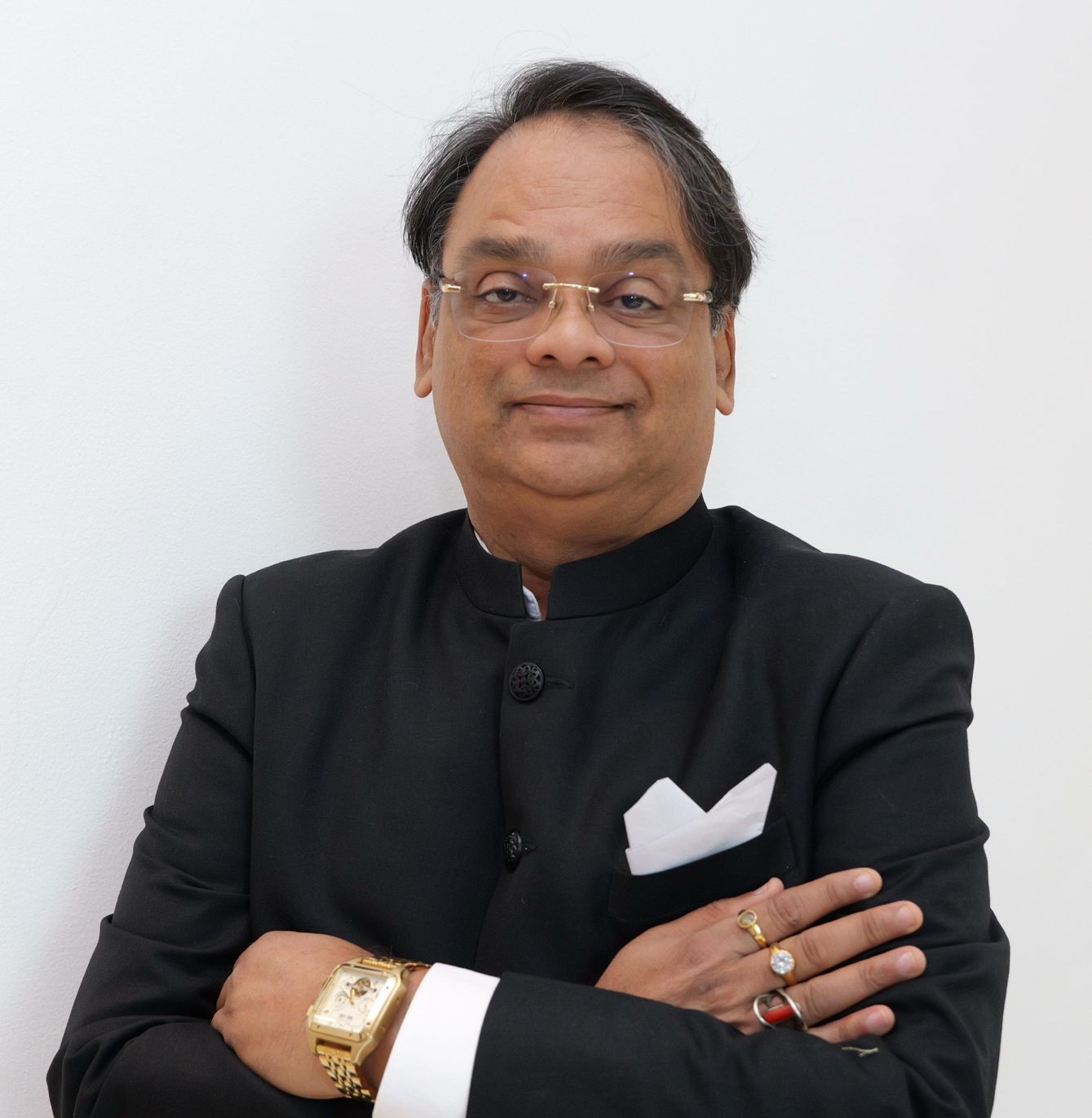
 FEATURE: In a world where education often gravitates toward metrics, rankings, and technology, Prof. Dr. Jagannath Patnaik emerges as a visionary leader who dares to look deeper. At the helm of ICFAI University, Sikkim, he has carved a path that fuses intellect, innovation, and spirituality to shape a holistic educational ecosystem. With a passion rooted in Swami Vivekananda’s ideals and the boundless energy of Maa Kali, Prof. Patnaik is not only changing the lives of students in Sikkim but also inspiring a wave of reforms that resonate far beyond the region. A true citizen of the world, he has seamlessly woven the lessons of his global travels into the fabric of Indian academia, creating a model that celebrates inclusivity, sustainability, and purpose-driven learning.
Prof. Patnaik’s academic odyssey began at Sathya Sai Gurukul in Muddenahalli, where the teachings of Satya Sai Baba instilled values of self-discipline, sacrifice, and service. These formative years, infused with spiritual depth, shaped his lifelong dedication to education as a tool for societal transformation. Later, as the youngest Director of the Maharishi Institute of Management, he cemented his vision that education should transcend personal achievement, aiming instead to bridge the mundane and the sublime.
A retreat at Nandi Hills proved pivotal, reinforcing his belief in aligning education with spirituality to spark individual and collective transformation. Over the years, his academic journey has spanned globally, including roles at Manipal University, Bharati Vidyapeeth, and Kalinga University, culminating in leadership that prioritizes inclusivity, sustainability, and interdisciplinary learning.
For Prof. Patnaik, his journeys as a globetrotter have been transformative, shaping his unique philosophy of education. From the hallowed halls of Western universities to the community-centric institutions of Scandinavia, he has absorbed valuable lessons that transcend cultural boundaries. Western rigor inspired him to create an academic structure that prioritizes research, innovation, and critical thinking, while Scandinavian models showed him the power of inclusivity in education systems.
At ICFAI University, Sikkim, these influences take the form of interdisciplinary programs that cater to global benchmarks while honoring the state’s heritage. Courses focused on organic farming, sustainability, and eco-tourism serve as perfect examples of this synthesis. By empowering students to excel in globally relevant fields while staying connected to Sikkim’s roots, Prof. Patnaik ensures that the institution thrives as both a beacon of modern education and a custodian of local traditions.
Every leader faces hurdles, and Prof. Patnaik’s journey has been no different. Yet, for him, challenges are but stepping stones to innovation and growth. One of his most pressing battles was against resistance to change in traditional educational practices. Transforming an age-old system into one that embraced technology, creativity, and interdisciplinary learning required patience, persuasion, and persistence.
Rather than imposing reforms, Prof. Patnaik adopted an empathetic approach, engaging stakeholders in conversations about the future of education. By highlighting success stories from his global observations and aligning his vision with Sikkim’s aspirations, he won over doubters, turning resistance into collaboration.
Geography also presented its challenges. The rugged and remote terrain of Sikkim often limited students’ access to quality education. However, Prof. Patnaik was undeterred. By leveraging technology and fostering partnerships with international organizations, he brought cutting-edge solutions to the region. Digital learning platforms and community-based initiatives bridged the gap for students in distant villages, ensuring that no one was left behind. For Prof. Patnaik, these obstacles weren’t just issues to solve—they were opportunities to innovate and bring education closer to those who needed it most.
Prof. Patnaik’s leadership isn’t confined to boardrooms and policies—it’s deeply spiritual at its core. A devoted follower of Maa Kali and an ardent admirer of Swami Vivekananda, he sees education as a sacred duty that goes beyond imparting knowledge. For him, leadership is about serving others with humility and ensuring that every action aligns with a higher purpose.
His spirituality manifests in his empathetic interactions with students, faculty, and staff. Whether mentoring a struggling student or addressing the aspirations of faculty members, Prof. Patnaik exudes warmth, patience, and respect. This approach has fostered a culture of trust at ICFAI University, making it a space where individuals feel valued and supported.
Spirituality also guides his decision-making. When confronted with complex challenges, he seeks solace and clarity through prayer and meditation, allowing him to think beyond immediate concerns and focus on long-term goals. This fusion of decisiveness and humility sets him apart, creating a leadership style that combines practicality with compassion.
Prof. Patnaik’s vision for education goes beyond academics—it embraces holistic development that prepares students for the future while grounding them in their cultural identity. In Sikkim, where traditions are deeply rooted, he envisions an educational system that leverages the state’s natural strengths. By emphasizing sustainability, organic farming, and eco-tourism, he is nurturing a generation of professionals ready to contribute not just to their communities but also to the global stage.
He also believes that education must awaken the soul. At ICFAI University, students are encouraged to develop emotional intelligence, ethical leadership, and a sense of responsibility toward society. This holistic approach ensures that graduates are not just knowledgeable professionals but compassionate changemakers who embody the values of inclusivity and service.

To the young minds of India, Prof. Patnaik offers a message that is both empowering and profound: Dare to dream, but ensure your dreams serve a larger purpose. “Education,” he says, “is not merely about achieving success but about discovering your true self and using that discovery to better the world.”
He urges youth to stay connected to their roots while embracing a global perspective, drawing strength from their heritage as they tackle challenges with resilience and creativity. Prof. Patnaik reminds them of the lessons offered by Maa Kali—unwavering courage, energy, and determination. At the same time, he invokes Rabindranath Tagore’s poetic wisdom: “Faith is the bird that feels the light and sings when the dawn is still dark.”
Prof. Patnaik’s vision for the future of education is as ambitious as it is inspiring. He believes that education should empower individuals to navigate a rapidly changing world while staying true to their values. In Sikkim, this vision takes the form of an ecosystem that harnesses the state’s unique strengths while setting benchmarks in sustainability and innovation.
Beyond Sikkim, he dreams of an India where education becomes a unifying force, bridging divides and creating opportunities for all. Institutions like ICFAI University, Sikkim, play a pivotal role in this journey, serving as models for inclusivity, excellence, and innovation.
As a young Vice Chancellor, Prof. Patnaik stands as a living example of how vision and purpose can transform lives. His story inspires not just students and educators but also everyone who dreams of creating a more equitable and enlightened world. With his blend of spirituality, global insights, and an unwavering commitment to service, he is redefining what it means to be a changemaker in the 21st century.
