
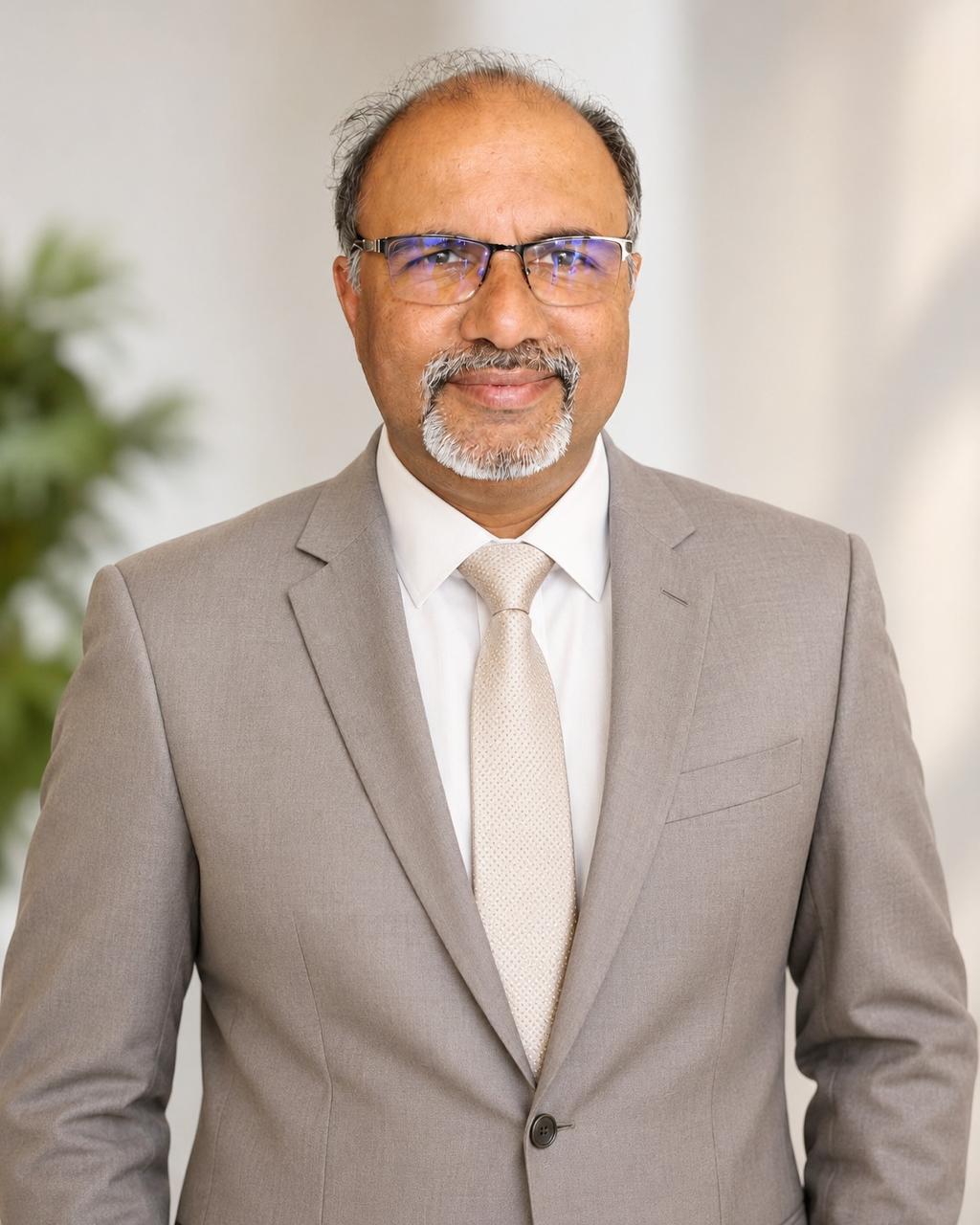
Talcher Fertilizers MD Vivek Srivastava says the country’s first coal gasification-based ammonia-urea plant will silence the doubts over Indian coal, cut imports and run on zero liquid discharge
From Management Trainee to Mega-Project Chief
Vivek Srivastava joined Rashtriya Chemicals and Fertilizers (RCF) as a Management Trainee in 1991. Over 35 years he moved through Urea, Heavy Water, Fire & Safety and NPK projects, heading the Fire & Safety department and serving as DGM of the Heavy Water Plant. Yet he says none of those assignments compares with his present one as Managing Director of Talcher Fertilizers Ltd (TFL). It sits at the top of his list because it makes him responsible for HR, finance, technical matters and bank funding, while he also drives a crowd of contractors and vendors to keep the project moving.
Four Promoters, One Way of Working
TFL is a joint venture of RCF, GAIL, Coal India and FCIL, each with its own working culture and the officials it has deputed to the project. Srivastava says this made collaborative leadership the need of the hour, and he has leaned on it from the start. The company has encouraged an integrated style of working and has recruited its own cadre in good numbers alongside the deputed staff. These recruits are being groomed to carry TFL forward in the years to come.
Why Gasification Is Called a Game-Changer
For Srivastava, the success of the nation’s gasification mission is non-negotiable. India needs energy security and freedom from the price swings of natural gas and other petro products. As a pioneer in large-scale coal gasification, TFL carries the burden of proof for the entire sector. Once the plant performs, he says, lingering doubts about the technology, the high ash content of Indian coal and operating efficiency should fade.
Numbers That Matter to the Import Bill
The project’s impact on the import bill is easy to state. TFL will cut urea imports by 1.27 million tonnes every year and reduce dependence on natural gas by about 2.32 mmscmd. Srivastava points out that this saves precious foreign exchange, which makes the plant as much a strategic asset as an industrial one.
Proven Technology, Honest About Teething Troubles
Srivastava does not expect serious technical surprises, because the chosen technology is already running in a number of plants worldwide. He concedes that minor hiccups come with the early days of any plant, coal gasification or not. The main LSTK contractor will stay on to hand-hold TFL through initial operations, so any emerging problem should be handled without major disruption. Execution on the ground, he admits, has been tougher, and the team has learnt a long list of dos and don’ts. He believes future proponents of similar projects should study how TFL tackled these challenges from the project’s very first day.
Safety and Energy Efficiency by Design
Srivastava’s grounding in process safety, HAZOP and energy auditing shows in how the plant is being run. The proven technologies come with safety and energy-efficiency features built in. Internal and external safety audits are carried out during the construction phase, a safety work permit system is strictly followed, and he says the project has kept a very healthy safety record. Once the plant is operational, further safety and energy audits will push both measures higher.
A Boost for Odisha’s Economy
He sees tremendous potential for local employment and ancillary industries. Units that use ash and slag stand to gain, since the plant will generate both, and they can set up shop close by. Once the plant is running, he says, skilled and unskilled workers will be needed every day, which promises steady work for the region.
Answering the Environmental Question
Srivastava argues that gasification in itself raises no additional environmental concerns. In TFL’s technology only a very small amount of fly ash forms, and almost all the ash converts into slag that can be safely disposed of. The steam boilers do burn fuel and generate some fly ash, but bag filters, electrostatic precipitators and other control systems are installed to deal with it. The plant is also designed as a Zero Liquid Discharge facility. Efficient recycling of water means no wastewater or effluent leaves the premises.
The Engineer’s Credo
Asked what he would tell young chemical engineers entering core industries like fertilizers and energy, Srivastava keeps it simple. Technical soundness and dedication to the task at hand are the keys to success. He adds that they should not confine themselves to their own area of competence. Contributing to the whole project in a holistic way, he says, is what will take their careers to new heights.
