
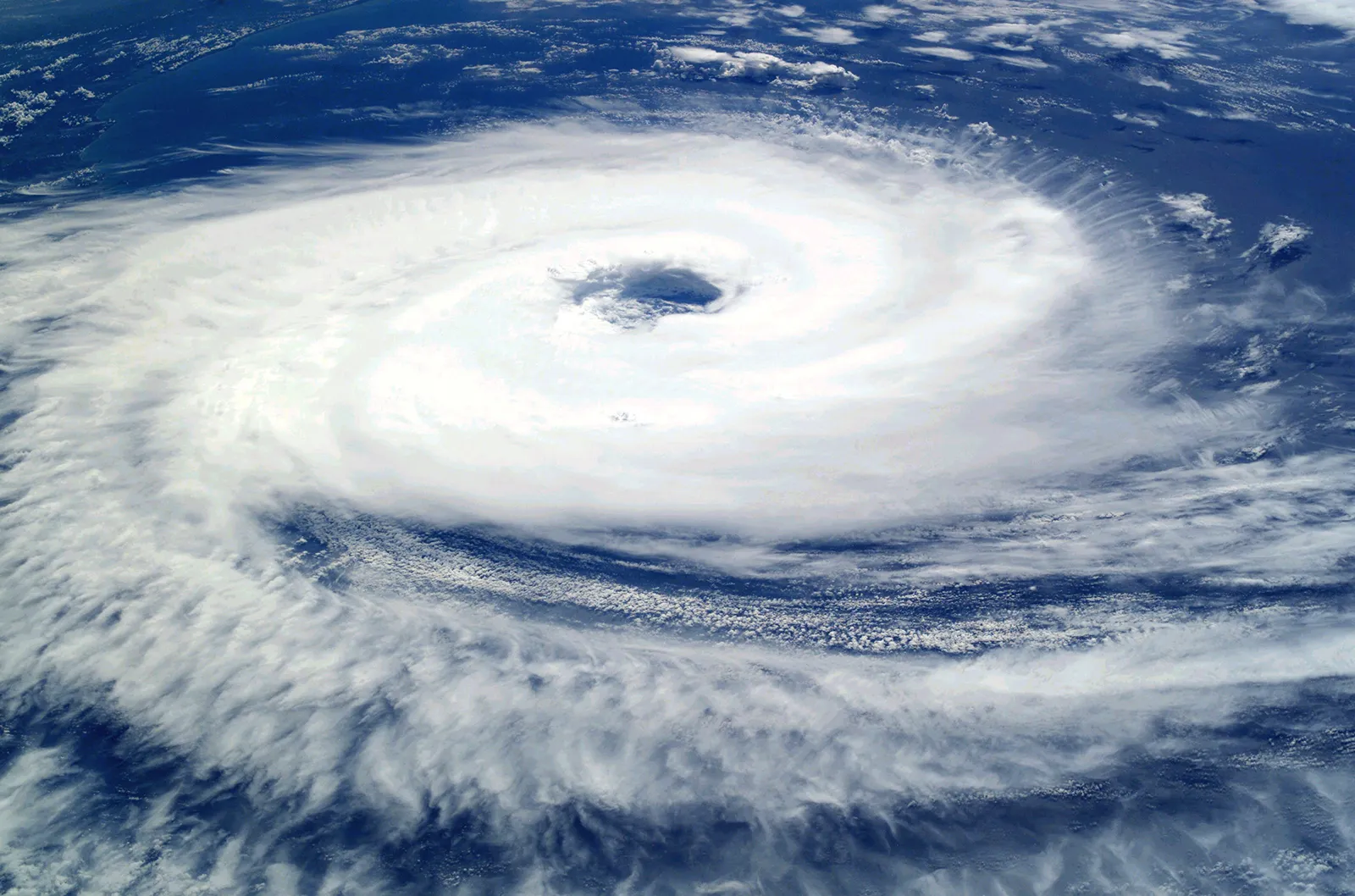
The Odisha government has issued a warning to the public, media outlets, and social media content producers to refrain from disseminating false, deceptive, and speculative cyclone forecasts. It warns that doing so could cause panic among the populace, result in financial losses, and jeopardize the state’s preparedness for disasters.
The Office of the Special Relief Commissioner (SRC) voiced grave concerns in an official advisory over the spread of unconfirmed information regarding possible cyclones, including timetables, impact assessments, landfall locations, and speculative storm paths. The caution pointed out that certain people and self-described weather experts had been disseminating cyclone forecasts without sufficient scientific support or citation to the India Meteorological Department’s (IMD) official forecasts.
According to the advise, such false information might have major repercussions, such as needless public fear, interference with regular business operations, and a decline in trust in official disaster management plans. It also made clear that farmers may harvest standing crops too soon due to speculative cyclone threats, which could lead to unnecessary agricultural losses and financial difficulties.
Similar to this, panic buying and stockpiling of necessities may be prompted by rumors of impending bad weather, which could lead to fake shortages and price increases. The state government and district administrations’ integrated disaster preparedness, evacuation, and emergency response efforts could be jeopardized by contradicting and false information, the authorities said.
According to the SRC, anybody or organizations discovered purposefully disseminating false catastrophe warnings, inciting public fear, or impeding disaster management activities will face appropriate legal punishment when necessary and in compliance with the law. It has been recommended that print, electronic, and digital media outlets report cyclone-related developments with proper caution, clearly credit reliable sources for forecasts, and refrain from portraying speculative predictions as verified warnings. Additionally, social media users and digital content producers running Facebook pages, YouTube channels, WhatsApp groups, and other platforms have been advised not to create or disseminate fake disaster alerts that could incite public panic, false landfall predictions, exaggerated impact assessments, or fake cyclone tracks.
