
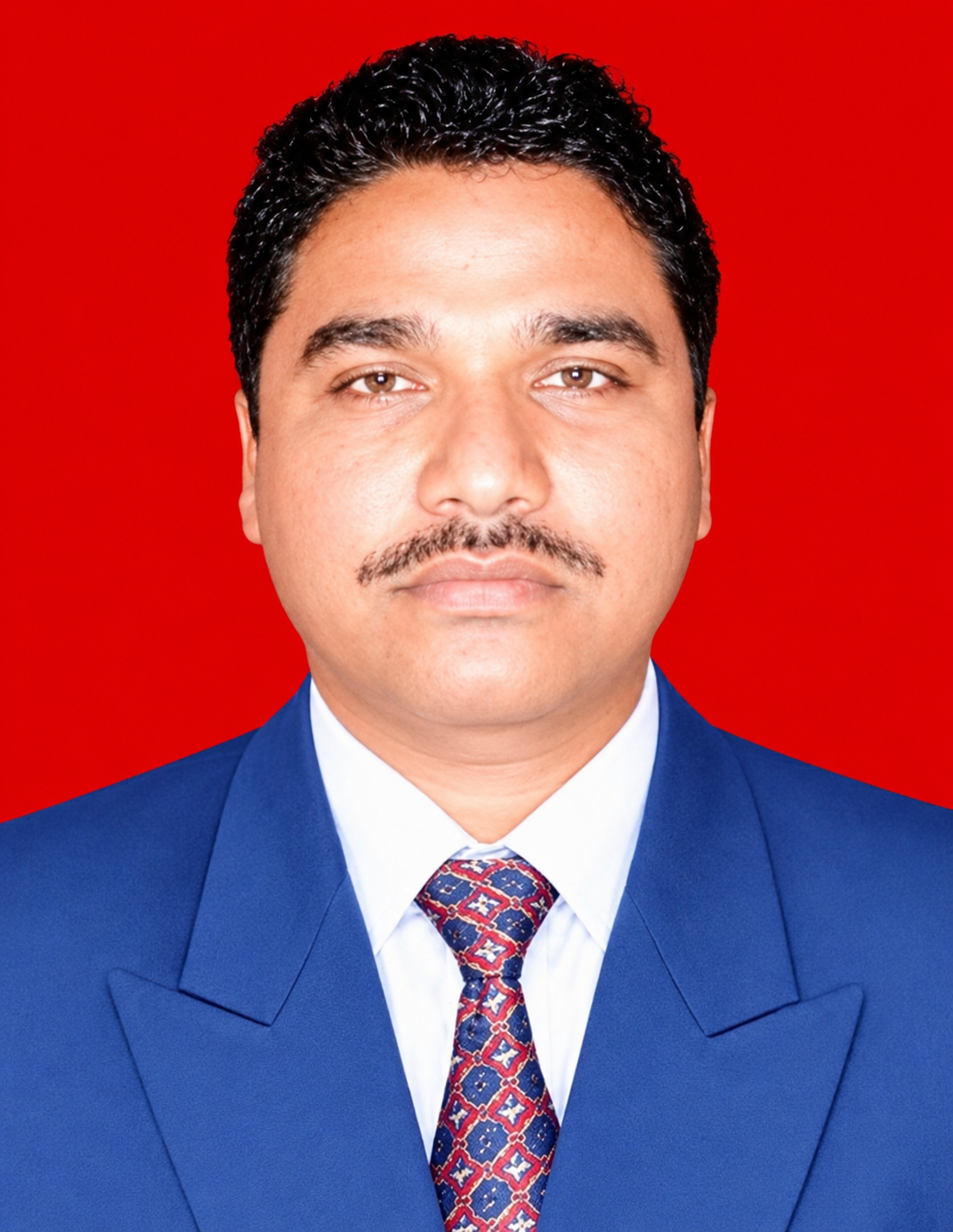
An Exclusive Interview with Mr. Pratap Kishore Patra, Chairman of Premier Group of Institutions
By Aishwarya Kanungo | The Interview Times
From healthcare education and practical training to community service and sustainable living, Mr. Pratap Kishore Patra envisions an educational ecosystem where academic excellence, human values and self-reliance come together to shape responsible future generations.
Education is not merely about acquiring degrees or securing employment; it is about developing individuals who can stand independently, make meaningful contributions and bring positive change to society. This belief lies at the heart of Mr. Pratap Kishore Patra’s vision for Premier Group of Institutions.
Beginning its educational journey in 2007, Premier Group of Institutions initially focused on school education before expanding into technical education. In 2012, it entered the healthcare education sector, particularly nursing, pharmacy and related disciplines. Under Patra’s leadership, the institution aims to combine professional education with practical exposure, discipline and human values.
For him, an educational institution should be more than a place of academic learning. It should serve as a platform where students transform their aspirations into reality, develop their abilities and build independent futures. His larger vision is to develop at least one lakh capable, independent and responsible individuals who can contribute meaningfully to society.
Education with Purpose and ValuesPatra believes that academic qualifications alone cannot define an educated individual. Education must also nurture character, confidence, compassion and a sense of responsibility.
He emphasises that students should become professionals who understand their duties towards society and use their knowledge to support others. This philosophy is connected with the organisation’s earlier social-development activities, which, according to him, began in 1996 with a focus on supporting visually challenged individuals.
His approach reflects the belief that education should be accessible, inclusive and meaningful, irrespective of a student’s financial or social background. Healthcare education requires a strong combination of theoretical knowledge and practical experience. Recognising this responsibility, Premier Group of Institutions provides students with clinical exposure through associations with government and private hospitals.
Students also participate in rural and urban community activities, helping them understand different healthcare needs and patient backgrounds.
Patra believes that nursing professionals must possess more than technical knowledge. Compassion, patience, communication and dedication are equally important when dealing with patients. Understanding their difficulties and providing appropriate care are essential qualities of a responsible healthcare professional.
However, he acknowledges several challenges in the healthcare education sector, particularly the shortage of qualified teaching professionals in Odisha, regulatory requirements and the need for better career awareness among students.
He also highlights the importance of developing communication skills, computer literacy and professional confidence, especially among students from rural backgrounds. For him, education must prepare students for real-world responsibilities rather than focus exclusively on academic examinations.
Preparing Students for Opportunities Beyond Odisha
During the interview, Patra highlighted the differences in salary opportunities for nursing professionals across states. According to his estimates, GNM nursing professionals in Odisha may earn approximately ₹15,000–₹20,000 per month, while opportunities in Hyderabad and other locations may offer around ₹30,000–₹55,000.
He believes that better employment opportunities and compensation are important for retaining skilled healthcare professionals in Odisha.
The institution therefore emphasises practical training and professional development to prepare students for employment opportunities across India.
Beyond Classrooms: Discipline, Community and Sustainability
One of the distinctive aspects of Patra’s educational philosophy is his emphasis on the overall development of students.
The institution encourages participation in sports, exercise, cleanliness activities, health awareness programmes, seminars and blood donation camps. Approximately 200 students currently reside in the hostel and follow a structured daily routine involving academic classes, personal study, sports and other activities.
Beyond academics, Patra has a deep personal interest in agriculture and organic farming. Describing education as his profession and farming as his passion, he encourages students to understand the importance of natural food production, environmental awareness and self-reliance.
The campus promotes organic farming through natural methods and has approximately 200 mango trees. Students are also encouraged to plant and nurture trees during their academic journey.
Through its association with the National Service Scheme (NSS), the institution promotes community participation and village-level initiatives. These activities reflect Patra’s belief that education should help students understand life beyond their professional specialisations.
A Powerful Message to Gen Z: Choose Discipline, Dedication and Purpose
Sharing a strong message for the younger generation, Patra expressed concern about the growing influence of social media, unhealthy lifestyles and a lack of focus on future responsibilities among some young people.
He believes that today’s students must understand the value of time, respect their parents, guardians, teachers and elders, and develop a strong sense of responsibility towards society. He also emphasised the importance of maintaining a healthy daily routine, following disciplined habits, staying physically active and avoiding harmful practices such as smoking and tobacco consumption.
According to him, education should not make young people focus only on personal comfort and financial success. They must also develop the willingness to serve society and contribute to positive change.
His message to Gen Z is clear: “Be educated, disciplined and dedicated to society. Respect your elders, preserve your culture and understand your responsibility towards the nation. Without serving society, we cannot build a better society.”
For Patra, the younger generation represents the future of the country. Its progress will depend not only on professional achievements but also on character, values, discipline and dedication.
Looking Towards a Bigger Vision Looking ahead, Patra aims to develop Premier Group of Institutions into a leading educational organisation with the capacity to accommodate at least 5,000 students through programmes in nursing, pharmacy and pharmaceutical sciences.
The institution is also planning further infrastructure development to support its expanding academic activities.
He acknowledges that operating in a rural location brings challenges, particularly in attracting students and providing opportunities comparable to those available in larger cities. Nevertheless, the institution remains committed to strengthening its facilities and expanding its educational offerings.
For Patra, this expansion is not simply about increasing student enrolment; it is about creating more opportunities for young people to acquire professional skills, develop confidence and become independent.
Redefining the Meaning of Success
- The vision of Mr. Pratap Kishore Patra goes beyond building an educational institution. It is about creating an environment where students develop professional competence, personal discipline, social awareness and independence.
From healthcare education and practical training to agriculture, environmental initiatives and community service, Premier Group of Institutions reflects his belief that education must prepare individuals for both professional responsibilities and the larger responsibilities of life.
As the institution moves towards its future expansion goals, its larger aspiration remains centred on developing individuals who can contribute positively to society.
Ultimately, Patra’s philosophy reminds us that education should not simply prepare students to earn a living; it should empower them to live with purpose, serve society with compassion and contribute to a better future.
Because true education is not measured only by what students achieve for themselves, but also by what they contribute to the world around them.
