
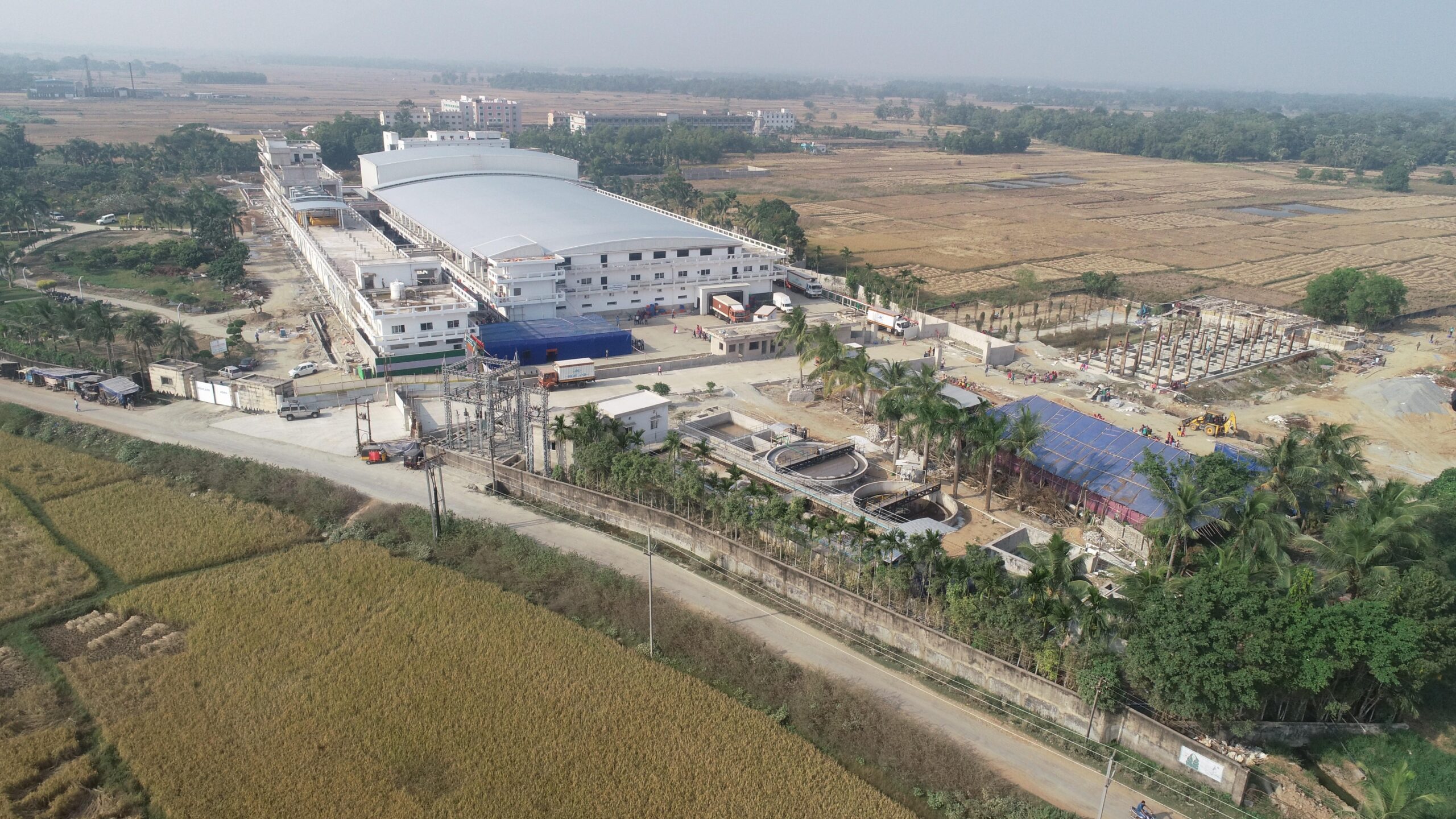
Odisha has put a big number on the table: ₹43,437 crore in proposed investments in food processing, with an estimated potential to generate 43,316 jobs. The commitments came during Odisha Food Pro 2026 in New Delhi, the state’s first sector-focused investment roadshow held outside Odisha.
The figure is significant, but the bigger question begins after the headlines: How much of this proposed investment will actually become operational projects — and how many jobs will reach people on the ground?
Of the total proposals, 27 MoUs worth ₹41,748 crore were signed, carrying an estimated employment potential of 35,252 jobs. Another 12 Investment Intent Forms worth ₹1,689 crore were received, with a projected 8,064 jobs. Together, they take the announced investment potential to ₹43,437 crore.
For Odisha, food processing offers an opportunity to connect two sides of the economy that have traditionally operated with limited value addition: agriculture and industry.
The state has diverse agro-climatic conditions, agricultural and marine resources, a long coastline and an expanding logistics network. Its Food Processing Policy 2022 specifically focuses on increasing private investment across the farm-to-market value chain, while promoting food-processing parks, cold-chain infrastructure, skill development and cluster-based growth.
But investment announcements alone do not create employment.
The real test will be project execution — land availability, approvals, infrastructure, financing, construction and finally commercial production. A proposed factory creates no jobs until it actually starts operating.
This is where Odisha’s existing policy framework becomes important. The state offers incentives including capital investment subsidies, support for cold-chain infrastructure and assistance for reefer vehicles. It also provides for single-window clearances and specialised food-processing clusters.
The next challenge is making sure these investments create jobs beyond factory gates.
A strong food-processing ecosystem can generate employment across procurement, transportation, warehousing, packaging, quality testing, cold-chain operations, marketing and exports. It can also create new opportunities for Farmer Producer Organisations, women-led Self-Help Groups, MSMEs and rural entrepreneurs.
That could make the sector particularly important for Odisha’s rural economy. Instead of sending raw agricultural and marine produce outside the state for processing, more value can potentially be captured within Odisha — improving market opportunities for producers while creating local employment.
Infrastructure will determine how far this ambition goes. Odisha already lists projects and opportunities involving food parks, seafood processing, cold-storage facilities, food-testing laboratories and commodity-based value chains across multiple districts.
There is also a larger market opportunity. The Ministry of Food Processing Industries identifies fisheries, fruits and vegetables, rice, dairy and other agricultural products as areas with significant processing potential in Odisha.
But the state must avoid measuring success simply by the rupee value of MoUs signed.
The more meaningful indicators will be the number of projects that reach financial closure, the number that begin commercial production, actual investment realised, direct and indirect employment created, procurement from local farmers and the growth of processed-food exports from Odisha.
For young people looking for employment, that distinction matters.
₹43,437 crore is a promising beginning. The real achievement will be when investment proposals become factories, factories become supply chains, and supply chains become sustainable jobs.
Odisha has secured the commitments. Now comes the harder part: turning intent into implementation — and investment into livelihoods.
