
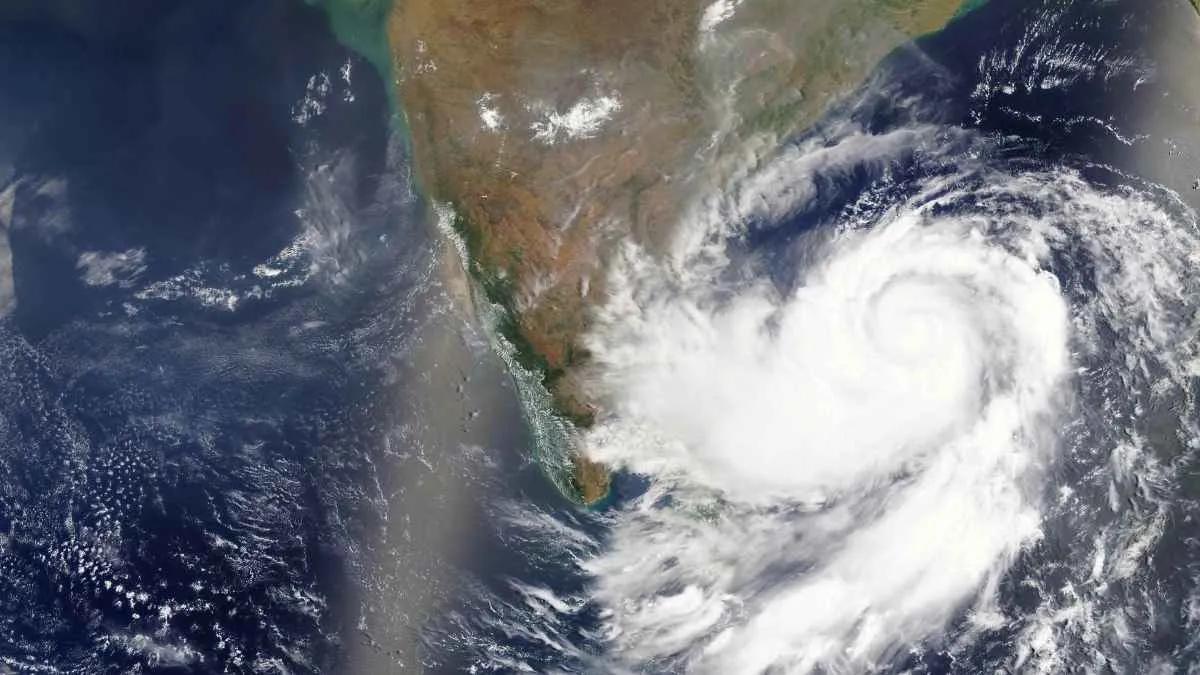
Authorities in Andhra Pradesh and Odisha have stepped up preparations as Cyclone Arnab approaches the eastern coast, prompting precautionary measures that include school closures, evacuations and the mobilisation of emergency-response teams.
According to India Today’s live coverage on October 27, the India Meteorological Department forecast that the cyclone could cross the Andhra Pradesh–Yanam coast between Bapatla and Visakhapatnam on the morning of October 28. The forecast indicated sustained winds of 115–125 km/h, with gusts potentially reaching 140 km/h. These are forecasts, and the storm’s eventual track and intensity may change.
Emergency preparations across the eastern coast
Odisha authorities began evacuating people from vulnerable areas and mobilising rescue teams. Andhra Pradesh also deployed National Disaster Response Force personnel across affected districts and announced ₹27 crore for relief preparations, according to the report.
The Centre directed disaster-response agencies to prepare for the storm and prioritise the protection of life and infrastructure. Other emergency services, including the armed forces and Coast Guard, were reported to be on standby.
Rail services and public travel affected
The approaching cyclone also disrupted transport arrangements. India Today reported that 53 train services in Andhra Pradesh were cancelled as a precaution on October 27 and 28. The affected routes included services connecting Vijayawada, Rajahmundry, Machilipatnam, Visakhapatnam and nearby locations.
Passengers were advised to check the latest railway announcements before travelling, as operational decisions may change in response to weather conditions.
What residents should know
People in potentially affected coastal districts should follow official weather bulletins, evacuation instructions and local administration advisories. Residents in vulnerable locations should avoid unnecessary travel during severe weather and keep essential supplies, medicines and emergency contacts accessible.
The immediate priority is to minimise casualties and ensure that people in high-risk areas can reach safer locations before conditions deteriorate.
