
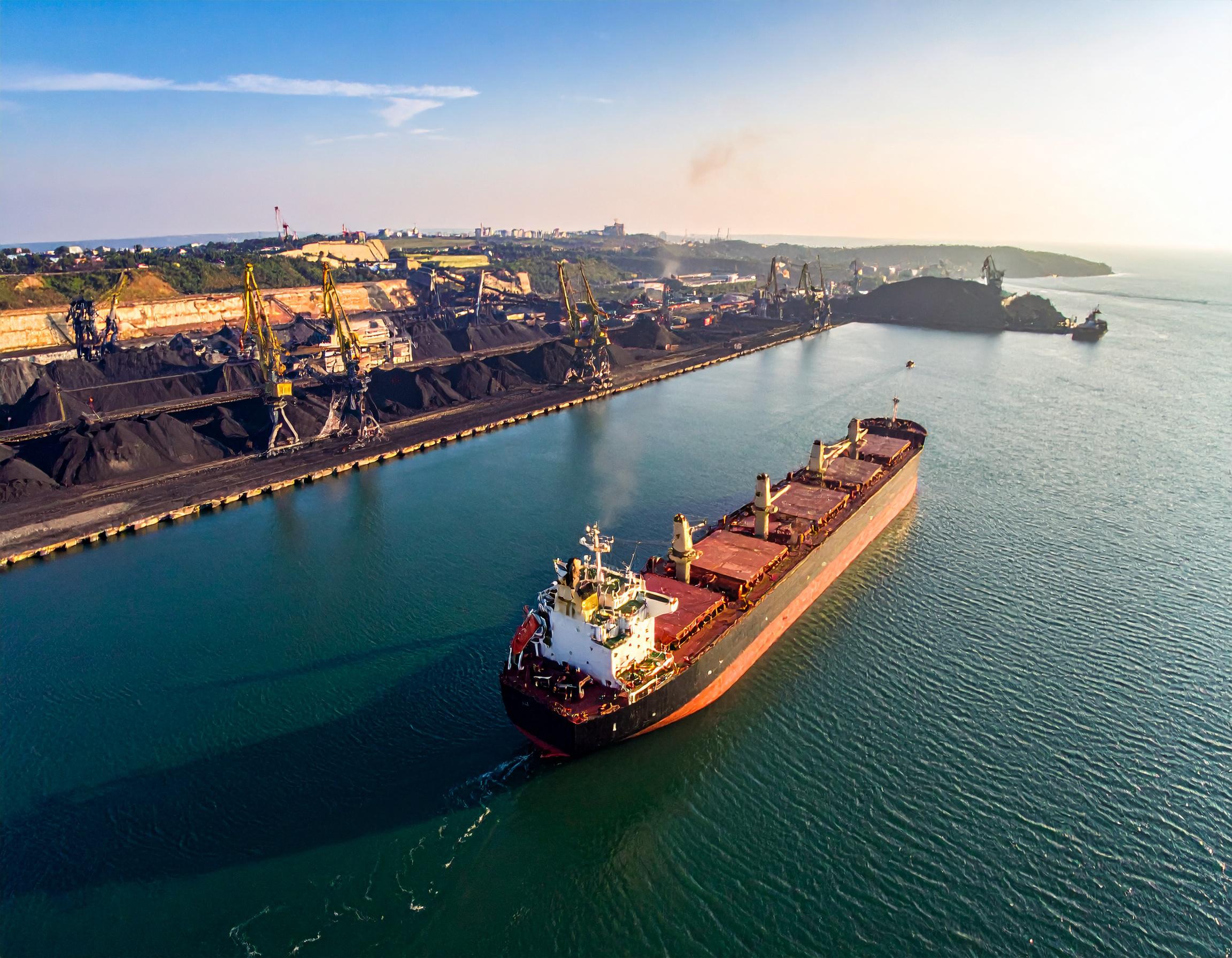
Odisha is planning major investments in ports, shipbuilding and green energy. Together, these projects could strengthen trade, create jobs and support industrial growth.
By – Snigdha Mishra
Bhubaneswar, October 8, 2026: Odisha is preparing for a major expansion of its maritime economy. The State has an investment pipeline exceeding ₹50,000 crore across ports, shipbuilding, logistics and clean-energy infrastructure.
Three major projects are at the centre of this plan. These include the expansion of Paradip Port, the proposed Bahuda Port in Ganjam and a shipbuilding cluster in Kendrapara.
Together, these projects could strengthen Odisha’s position in India’s maritime sector. They could also attract industries, improve trade connections and create new economic opportunities.
However, the projects are at different stages of development. The investment figures represent proposed or planned spending, not completed investments.
Paradip Port Leads Odisha’s Maritime Expansion
Paradip Port remains a major driver of Odisha’s maritime economy.
During the financial year 2025–26, the port handled a record 156.45 million tonnes of cargo. This marks significant growth from 76.39 million tonnes in 2015–16.
Moreover, the port has an existing rated capacity of around 289 million tonnes per year. It aims to increase its capacity to more than 500 million tonnes by 2047.
One of its major projects is the ₹3,005 crore Western Dock.
The new facility will add around 25 million tonnes of annual cargo-handling capacity. It will also allow larger vessels to use the port.
According to reported project updates, more than 70% of the work has been completed. The authorities are targeting March 2027 for full operations.
As a result, Paradip could handle cargo more efficiently and strengthen connections with industries across eastern India.
Bahuda Port: A ₹21,500 Crore Investment Proposal
Odisha is also planning a major port project in Ganjam district.
The proposed Bahuda satellite port has an estimated investment requirement of ₹21,500 crore. Once developed, it is expected to handle around 150 million tonnes of cargo annually.
The project is planned through a special purpose vehicle involving several maritime organisations.
Under the proposed arrangement, Paradip Port Authority would hold a 51% stake. Odisha Maritime Board would hold 26%, while Visakhapatnam Port Authority and Sagarmala Finance Corporation would hold 14% and 9%, respectively.
The port is expected to accommodate large cargo and container vessels.
Furthermore, its location could improve maritime connectivity in southern Odisha. This may support new industries, logistics services and trade opportunities.
However, the project still requires further development and implementation before these benefits can be realised.
Kendrapara: A ₹24,700 Crore Shipbuilding Hub
Another important project is taking shape in Odisha’s maritime plans.
A proposed ₹24,700 crore shipbuilding and heavy industries cluster in Kendrapara could create a new manufacturing ecosystem.
The project has received in-principle approval under the Government of India’s Shipbuilding Development Scheme.
It is designed to support shipbuilding capacity of approximately 1.2 million gross tonnes annually.
In addition, the cluster could include ship repair facilities, marine equipment manufacturing, engineering services and industrial training centres.
Odisha’s established steel industry may provide an advantage. The proposed location near Paradip could also support the movement of materials and equipment.
Nevertheless, detailed planning, approvals and investment commitments will determine the project’s progress.
Green Hydrogen Opens New Opportunities
Odisha’s maritime strategy also includes clean-energy infrastructure.
The Centre has approved approximately ₹797.17 crore for a dedicated jetty and related facilities at Paradip.
The proposed infrastructure will support the handling of green hydrogen, ammonia and other liquid cargo.
It is expected to have a handling capacity of around four million tonnes per year.
Consequently, Paradip could become an important link in emerging green-energy supply chains.
However, the development of this sector will also require investment in renewable energy, storage and industrial facilities.
Technology to Improve Port Operations
Alongside infrastructure development, Paradip Port is adopting digital technologies.
These include electronic cargo documents, RFID-based access systems and digital monitoring tools.
The port is also exploring technology-enabled cargo and yard management.
Such improvements can reduce delays, improve safety and support smoother cargo movement.
Therefore, modern technology will play an important role in making Odisha’s ports more competitive.
How Odisha’s Economy Could Benefit
The maritime investment pipeline could create opportunities beyond port operations.
For example, shipbuilding may increase demand for steel, machinery and engineering services.
Similarly, expanded ports could support transport, warehousing, logistics and export businesses.
Green-energy infrastructure may also attract specialised manufacturing and related industries.
Moreover, these developments could create employment opportunities for skilled workers, engineers and technical professionals.
Yet the benefits will depend on successful implementation.
Environmental safeguards, land availability, transport connections and workforce training will remain important.
Odisha’s Maritime Vision for 2047
Odisha’s development plans place strong emphasis on industrial growth, infrastructure and connectivity.
The proposed maritime investments support these long-term priorities.
Paradip’s expansion could strengthen existing cargo operations. Meanwhile, Bahuda Port could improve connectivity in southern Odisha.
The Kendrapara shipbuilding cluster could add another dimension to the State’s industrial economy.
Together, these initiatives could help Odisha develop a more diversified maritime sector.
However, the real measure of success will be execution.
Projects must move from announcements and proposals to operational infrastructure. Only then can they deliver lasting economic and employment benefits.
From expanding ports to developing shipyards and green-energy facilities, Odisha is preparing to turn its coastline into a stronger engine of economic growth.
