
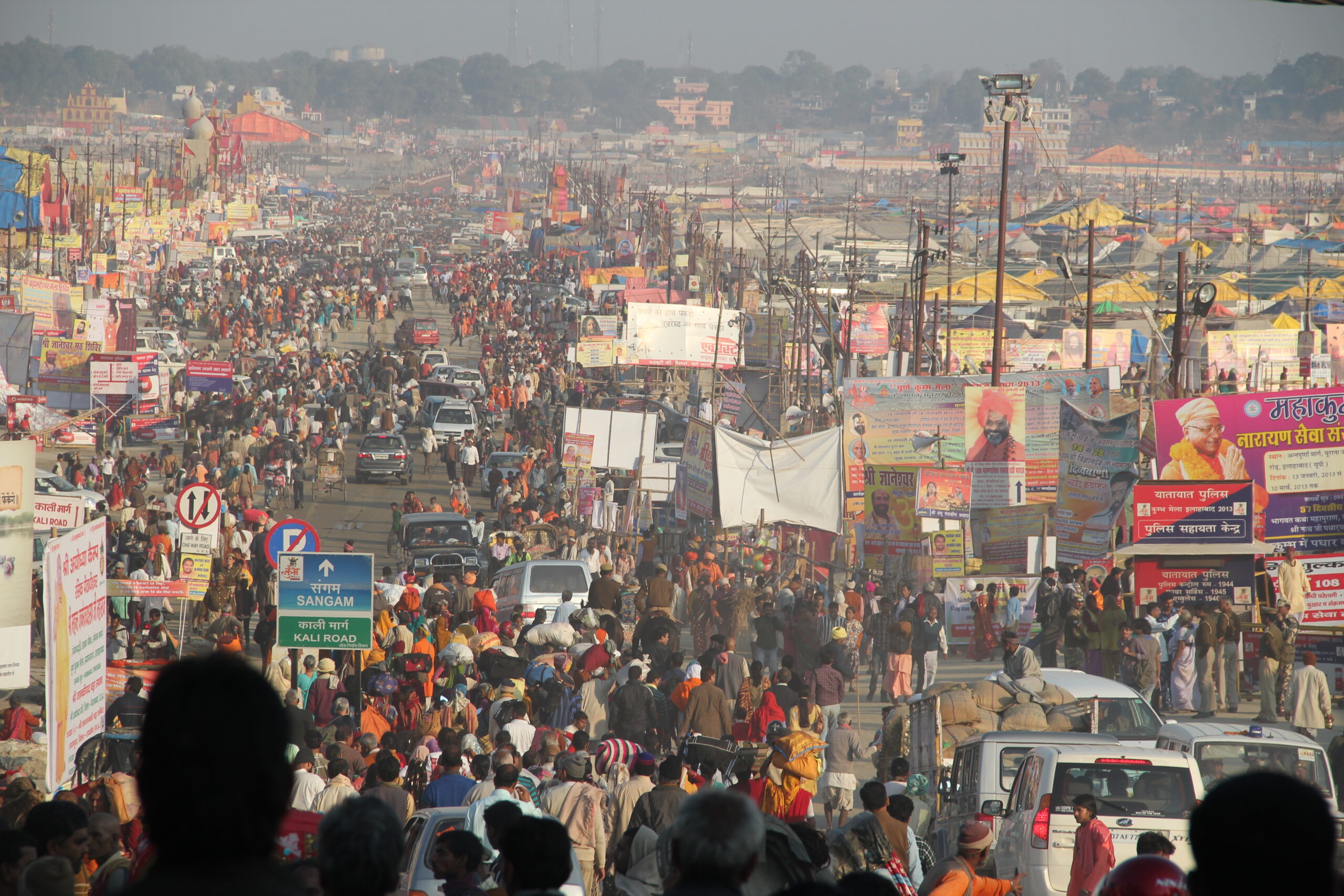
The Mahakumbh Mela 2025 will be held in Prayagraj from January 13 to February 26. This grand and sacred event, one of the largest religious gatherings in Hinduism, takes place once every twelve years. In 2025, millions of devotees will gather in Prayagraj, Uttar Pradesh, to partake in this significant occasion. Pilgrims will have the opportunity to purify themselves spiritually by taking a ritual dip at the Triveni Sangam, where the Ganga, Yamuna, and the mythical Saraswati rivers converge. Here’s everything you need to know, including the event dates, its history, significance, and more.
Mahakumbh Mela 2025: Important Dates for Holy Baths
The Mahakumbh Mela 2025 commenced on January 13, 2025, with the Paush Purnima Snan, and will conclude on February 26, 2025, coinciding with Maha Shivratri. The sacred bathing rituals, known as Shahi Snans, are believed to purify the soul and absolve sins, making them the spiritual focal points of the event.
History of Maha Kumbh Mela 2025
The Kumbh Mela’s origins lie in Hindu mythology, specifically the tale of Samudra Manthan, or the churning of the ocean. Ancient scriptures describe how the Devas (gods) and Asuras (demons) worked together to churn the ocean in search of Amrit, the nectar of immortality.
Important Bathing Dates
January 13, 2025Paush Purnima Snan (Opening Day)
January 15, 2025Makar Sankranti Snan
January 29, 2025Mauni Amavasya Snan (Royal Bath/Shahi Snan)
February 3, 2025Basant Panchami Snan (Royal Bath/Shahi Snan)
February 12, 2025Maghi Purnima Snan
February 26, 2025Maha Shivratri Snan (Concluding Day)
These sacred bathing rituals, known as Shahi Snans, are believed to cleanse the soul and wash away sins, making them the spiritual highlights of the Mahakumbh Mela. The origins of the Kumbh Mela are rooted in Hindu mythology, specifically the story of Samudra Manthan, or the churning of the ocean. According to ancient texts, this divine event was a joint effort between the Devas (gods) and Asuras (demons) to obtain Amrit, the nectar of immortality. During the churning, a Kumbh (pot) filled with the sacred nectar surfaced. To protect it from the demons, Lord Vishnu, in the guise of Mohini, seized the pot and fled. Along his journey, a few drops of the nectar fell at four locations: Prayagraj, Haridwar, Ujjain, and Nashik, which are now considered holy sites for the Kumbh Mela. These four places host the Kumbh Mela on a rotating basis.
