Dikhyaa Mohanty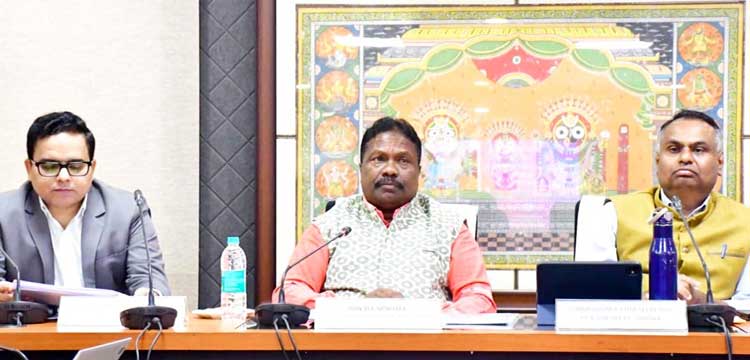
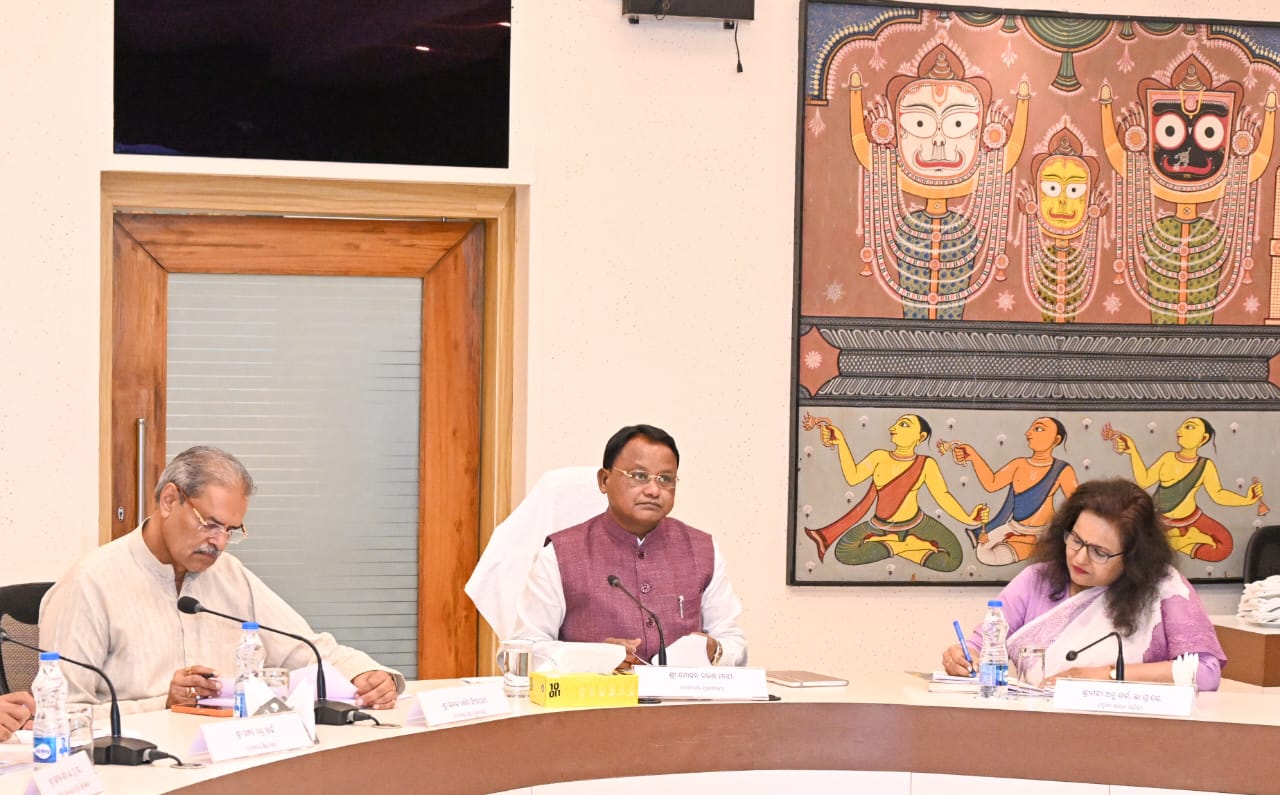
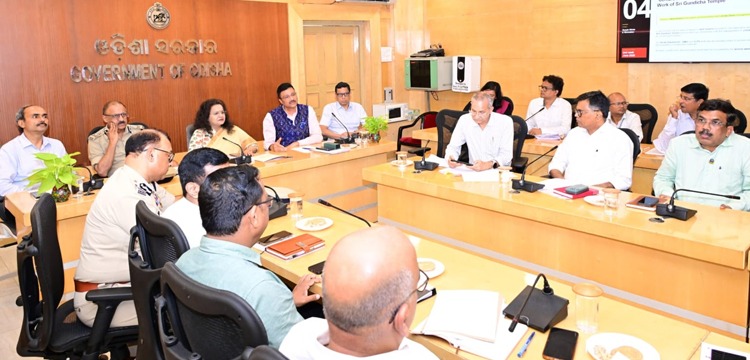
At the State Institute for Rural Development & Panchayati Raj’s MGNREGA Conference Hall in Bhubaneswar, a three-day state-level review meeting on massive rural piped drinking water delivery projects came to an end today. Major piped water supply projects carried out under all 35 RWS&S Divisions across Odisha’s three revenue divisions were evaluated during the evaluation, which took place from December 10 to 12.
Panchayati Raj & Drinking Water and Rural Development Minister Rabi Narayan Naik, who chaired the meeting, strongly objected to the delays and gave implementing agencies severe warnings. He stated unequivocally that any agency that missed deadlines would be placed on a blacklist and subject to formal complaints. The Minister declared, “Accountability in execution is non-negotiable,” emphasizing how crucial it is to provide rural people with clean drinking water.
Athagarh, Balasore, Baripada, Bhadrak, Bhubaneswar, Cuttack, Jagatsinghpur, Jajpur, Kendrapara, Nayagarh, Puri, and Rairangpur are among the twelve RWS&S Divisions of the Central Revenue Division that the Minister examined on the first day. Of them, 60 current projects were thoroughly examined, and 8 projects have been finished.
77 significant projects under 14 Northern Revenue Division divisions—Anandpur, Angul, Balangir, Bargarh, Boudh, Dhenkanal, Deogarh, Jharsuguda, Keonjhar, Nuapada, Rourkela, Sambalpur, Sonepur, and Sundergarh—were the main emphasis of the second day. While 63 ongoing projects were assessed and new completion deadlines were established, a total of 14 projects are finished and operating.
62 significant projects under nine Southern Revenue Division divisions—Gajapati, Berhampur, Bhanjanagar, Kalahandi, Phulbani, Koraput, Malkangiri, Nabarangpur, and Rayagada—were reviewed on the last day. Of these, three have been finished and fifty-nine are still being built.
Over the course of the three days, 207 projects—both finished and ongoing—were examined. Departmental officers and implementing agencies provided thorough operational, financial, and technical updates. In order to accelerate development, the Minister looked at project-specific responsibility matrices, looked for reasons for delays, and ordered remedial measures.