

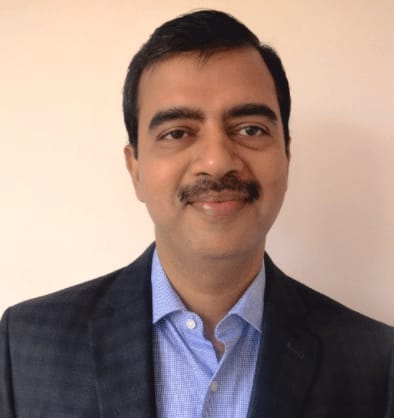
In public service, positions may define responsibilities, but it is values that define leadership. During our interaction with Dr. Satyapriya Rath, IAS, one thing became immediately apparent: his approach to governance is rooted not in authority, but in service.
Currently serving as the Managing Director of GRIDCO Ltd., Odisha’s principal power-trading and energy-management organization, Dr. Rath is at the forefront of one of the state’s most significant transformations the transition towards a cleaner, smarter, and more sustainable energy future.
Yet beyond policy frameworks, infrastructure projects, and ambitious renewable-energy targets lies a leadership philosophy that is refreshingly simple and deeply impactful. When asked what principle guides him as a government officer, he responded with a statement that reflects both humility and conviction:
“I am a public servant, not a public master.”
It was not merely a remark; it was a reflection of the values that continue to shape his work. Known for his accessibility, people-centric approach, and commitment to public welfare, Dr. Rath believes governance is most effective when institutions remain connected to the citizens they serve.
As Odisha accelerates its renewable-energy journey, leaders like Dr. Rath are helping shape not only policies but also a vision for the future one that balances economic growth, environmental sustainability, technological innovation, and public participation.
In this exclusive interview, Dr. Rath shares his insights on Odisha’s renewable-energy transformation, GRIDCO’s evolving role, emerging opportunities in green hydrogen and green ammonia, and his vision for Odisha’s energy future.
Q. Renewable energy is often viewed as an environmental goal. Why does Odisha see it as a development imperative?
Ans-The global conversation around renewable energy has evolved significantly over the last decade. Earlier, it was largely discussed in the context of climate change and environmental protection. Today, renewable energy is recognized as a powerful driver of economic growth, industrial competitiveness, energy security, and social development.
For Odisha, renewable energy is not simply a sectoral priority—it is a cornerstone of our long-term development strategy. As the state continues to industrialize and urbanize, energy demand is growing rapidly. Industries require reliable and affordable power, farmers need dependable energy solutions, and households expect uninterrupted electricity to support better living standards.
Renewable energy allows us to meet these aspirations while simultaneously advancing sustainability goals. Investments in clean energy create jobs, attract industries, stimulate innovation, and strengthen local capabilities. They also reduce dependence on conventional energy sources and improve resilience against global fuel-price fluctuations.
Ultimately, renewable energy is helping Odisha build a stronger economy, improve quality of life, and ensure that growth remains sustainable for future generations.
Q. Behind every solar park is a complex energy ecosystem. What role does GRIDCO play in making the transition possible?
Ans-Renewable-energy projects often become visible symbols of progress, but the real challenge lies in integrating that power into the grid efficiently and reliably.
As Odisha’s principal power-trading and energy-management agency, GRIDCO’s role extends far beyond power procurement. We are involved in demand forecasting, energy planning, grid balancing, renewable-energy integration, strategic procurement, and long-term infrastructure development.
Unlike conventional power sources, solar and wind generation are variable in nature. Managing these fluctuations while maintaining affordability and reliability requires sophisticated planning and continuous monitoring.
Our focus is on creating an energy ecosystem that can support Odisha’s aspirations for decades to come. Through advanced forecasting systems, storage solutions, grid modernization, and renewable-energy integration, we are preparing for a future where clean energy forms the backbone of the state’s power sector.
Q. Can citizens become producers of energy rather than just consumers?
Ans-Absolutely. One of the most exciting aspects of the renewable-energy transition is that it fundamentally changes the relationship between citizens and the energy sector.
Through initiatives such as PM Surya Ghar, households are increasingly becoming active participants in energy generation through rooftop solar systems. Citizens are no longer merely consumers of electricity; they are becoming contributors to its production.
Odisha’s success under the scheme reflects effective collaboration among government departments, DISCOMs, local authorities, and citizens. By simplifying procedures and ensuring transparency, we have enabled thousands of families to move towards energy self-reliance.
Beyond reducing electricity bills, rooftop solar encourages sustainable lifestyles, promotes responsible energy consumption, and creates a sense of ownership in the clean-energy transition.
Q. Could the future of renewable energy also be the future of farming?
Ans-Agriculture and energy are often viewed as competing sectors when it comes to land use. Agrivoltaics demonstrates that they can actually complement each other.
This innovative model combines agriculture and solar-power generation on the same land. Elevated solar panels allow crops to be cultivated underneath while simultaneously generating electricity.
The benefits are significant. Farmers gain an additional source of income, land productivity improves, and renewable-energy expansion becomes more sustainable. In some cases, the shade provided by solar panels can even help reduce water evaporation and support certain crop varieties.
For Odisha, Agrivoltaics offers an opportunity to strengthen rural prosperity while advancing clean-energy goals.
Q. The biggest criticism of renewable energy is reliability. How is Odisha addressing that challenge?
Ans-Reliability is one of the most important challenges facing renewable-energy systems worldwide.
Odisha is actively investing in Battery Energy Storage Systems (BESS), including the proposed 125 MW/500 MWh storage project. Storage technologies enable surplus renewable energy to be stored and deployed when demand rises or generation declines.
We are also exploring wind-energy potential, developing pumped-storage projects, and strengthening grid infrastructure. The future energy ecosystem must combine solar power, wind energy, battery storage, pumped storage, digital monitoring systems, and smart-grid technologies.
Our objective is not merely to increase renewable-energy capacity but to ensure that clean energy remains reliable, affordable, and available whenever consumers need it.
Q. Why are green hydrogen and green ammonia emerging as Odisha’s next big opportunity?
Ans-Green hydrogen and green ammonia are increasingly becoming critical components of the global clean-energy transition.
Produced using renewable electricity, green hydrogen has the potential to decarbonize sectors such as steel, chemicals, fertilizers, shipping, and heavy transportation. Green ammonia further expands opportunities in industrial applications and exports.
Odisha possesses several strategic advantages, including a strong industrial base, abundant renewable-energy potential, and world-class port infrastructure. Locations such as Paradip and Gopalpur are well positioned to emerge as major hubs for future green-hydrogen and green-ammonia ecosystems.
These technologies have the potential to attract substantial investments, create high-skilled employment opportunities, and strengthen Odisha’s position in India’s clean-energy economy.
Q. When you look toward 2030 and 2047, what kind of energy future do you envision for Odisha?
Ans-By 2030, Odisha aims to significantly expand renewable-energy capacity through solar power, wind energy, pumped-storage projects, and battery-storage infrastructure. We are working toward creating an integrated energy ecosystem supported by smart grids, digital technologies, advanced forecasting systems, and efficient transmission networks.
By 2047, I envision an Odisha where clean and non-fossil-fuel energy sources form the dominant share of the state’s energy mix. Advanced storage systems, artificial intelligence, digital energy management, and green-hydrogen ecosystems will redefine the way energy is produced and consumed.
The goal is not merely to generate more electricity. It is to create an ecosystem that strengthens energy security, supports industries, empowers communities, attracts investment, and improves quality of life for every citizen.
Q. Beyond policies, projects, and targets, what philosophy continues to guide you as a public servant?
Ans-One principle has remained constant throughout my career:
“I am a public servant, not a public master.”
Every public office carries responsibility because citizens place their trust in institutions. Authority is not a privilege—it is an opportunity to serve.
I firmly believe that public institutions function best when they remain connected to the people they serve. Listening to citizens, understanding their concerns, and remaining accessible are essential to effective governance.
Policies may be designed in offices, but their success is ultimately determined by their impact on people’s lives. The greatest satisfaction in public service comes not from holding a position but from knowing that one’s work has contributed to the development of the state and the well-being of its people.
Positions may change, assignments may evolve, but the responsibility to serve with integrity, humility, and commitment remains constant. If citizens feel that governance is accessible, accountable, and working in their interest, then we have fulfilled our duty as public servants.