
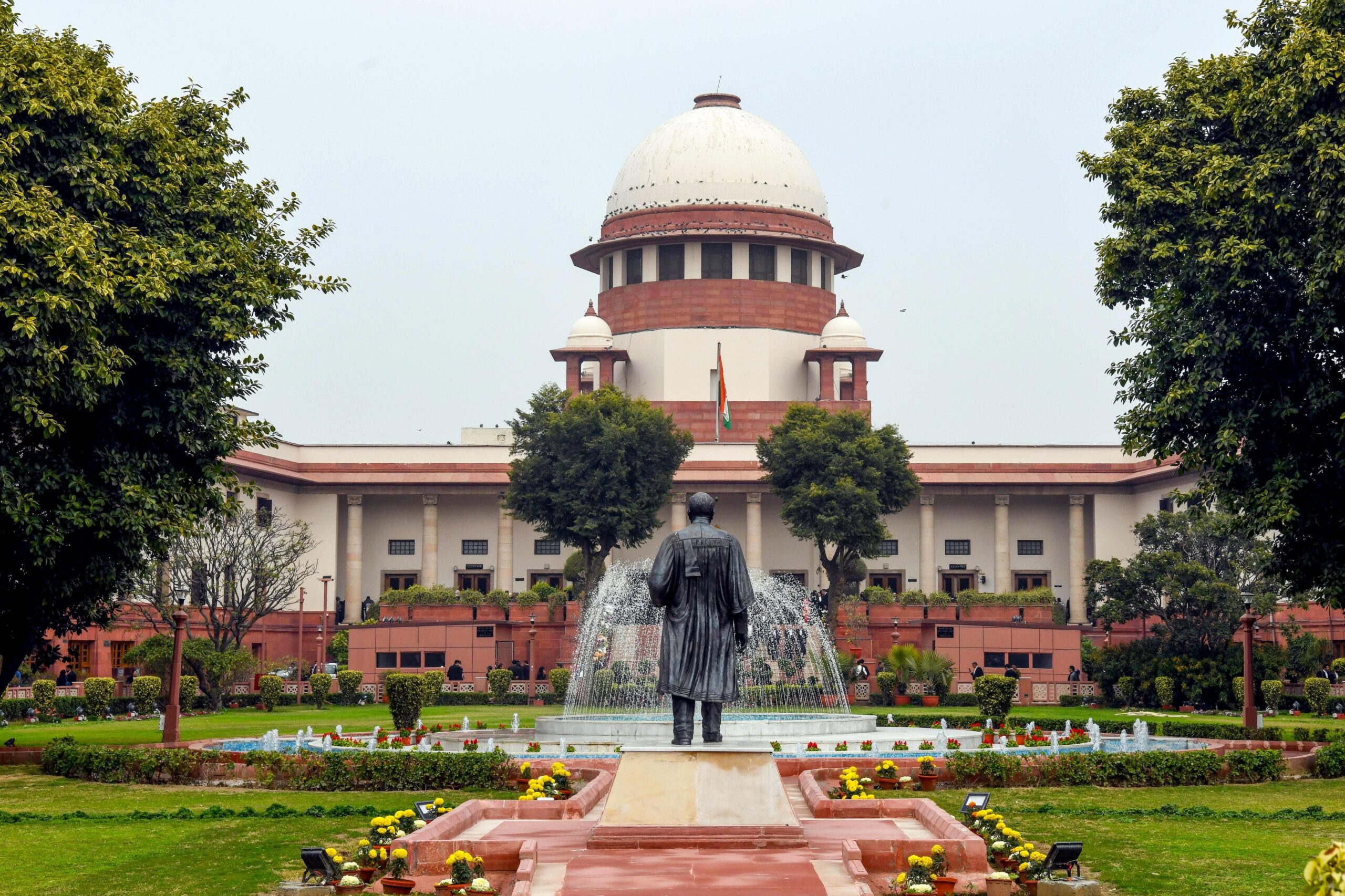
New Delhi, September 10, 2026:
The Supreme Court has stepped into one of India’s most contentious digital-age questions: how children should be protected from the risks associated with social media and other online platforms.
A three-judge Bench comprising Chief Justice of India Surya Kant and Justices Joymalya Bagchi and V. Mohana sought responses from the Centre on a Public Interest Litigation seeking stronger safeguards for minors online.
The petition has been filed by the Just Rights for Children Alliance, which argues that children below 18 are legally minors but can currently independently create accounts on platforms that often permit users to sign up from the age of 13.
The court, while issuing notice, made a significant observation:
“We need some safeguards in India.”
What the petition wants
The plea seeks changes to India’s digital regulations so that minors’ access to social-media platforms is accompanied by meaningful safeguards.
Among the proposed measures are:
- Parental or guardian consent
- Age verification
- e-KYC verification of parents or guardians
- Greater responsibility on digital platforms
- Stronger mechanisms to prevent children from accessing harmful content
- Safeguards against online grooming, exploitation and cyberbullying
The petition also challenges the ability of platforms to enter into contracts with children below 18, arguing that minors generally lack contractual capacity under Indian law.
Why the case is generating attention
The case comes at a time when children’s exposure to social media has become a major global policy debate.
The petition warns about risks including online grooming, sexual exploitation, trafficking, behavioural manipulation, misuse of personal data, cyberbullying and exposure to age-inappropriate content.
The Supreme Court has not ordered a nationwide ban on social media for minors. Instead, it has sought the Centre’s response to the petition and the proposed safeguards.
That distinction is important because social-media regulation involving children could have enormous implications for platforms, parents, schools and millions of young users in India.
What happens next?
The Union ministries dealing with electronics and information technology and law and justice will respond to the court.
The proceedings could eventually lead to stronger age-verification requirements, parental-consent mechanisms or amendments to India’s existing IT rules.
For India’s rapidly expanding digital generation, the case could become a landmark moment in determining how much responsibility technology platforms must bear for protecting children online.
