

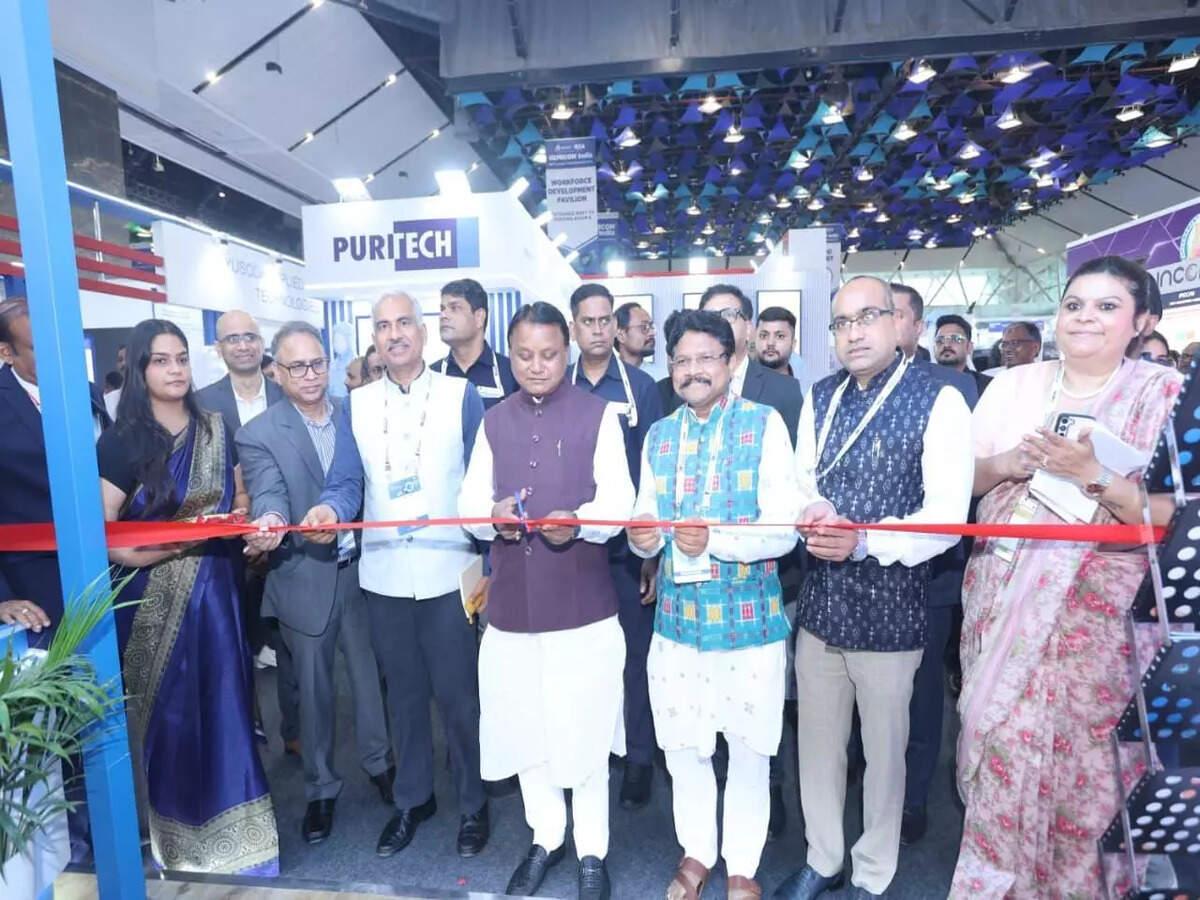
Odisha, long recognised nationally for its mineral wealth, metals and heavy industries, is attempting a significant expansion of its industrial identity. The state has unveiled plans for an 870-acre “Odisha Silicon Valley” at Naraj in Cuttack district, positioning the Cuttack–Bhubaneswar corridor as a potential destination for semiconductor, electronics and information-technology investment.
The announcement came during SEMICON India 2026 in New Delhi, where Odisha reported semiconductor-related investment proposals worth approximately ₹23,600 crore, with the proposals expected to potentially generate around 6,100 jobs.
For Odisha, the significance goes beyond another industrial park. The larger ambition is to build an ecosystem encompassing semiconductor manufacturing, materials, equipment, research, talent development and supporting supply chains—areas that could move the state further into high-value technology manufacturing.
870 Acres for a New Technology Cluster
The proposed Silicon Valley at Naraj has been planned as a dedicated cluster for semiconductor, electronics and IT projects. Its location near the Cuttack–Bhubaneswar urban corridor gives it access to major highways as well as connectivity to Paradip and Dhamra ports. The state has also highlighted proximity to the Mahanadi as relevant to the significant water requirements of semiconductor operations.
Rather than developing isolated manufacturing units, Odisha is seeking to create an integrated industrial environment in which manufacturers, suppliers, technology providers, researchers and skilled professionals can operate within a broader ecosystem.
₹23,600 Crore Investment Interest
The state’s participation at SEMICON India 2026 produced investment proposals valued at around ₹23,600 crore. According to reports, these include interest in semiconductor manufacturing and associated technologies, including a proposal involving silicon-carbide (SiC) substrate wafers.
Chief Minister Mohan Charan Majhi also said Odisha was engaging with around 10–12 companies from different countries as part of its semiconductor investment outreach.
This matters because semiconductor manufacturing is not simply another manufacturing segment. Chips are fundamental to electric vehicles, telecommunications, industrial automation, consumer electronics, defence systems, data centres and the rapidly expanding AI economy.

The Semiconductor Story Has Already Started
Odisha’s ambitions are not confined to the proposed Naraj cluster.
Two projects approved under the India Semiconductor Mission—SiCSem Private Limited and 3D Glass Solutions—are located in Odisha, with work underway. SiCSem is developing a silicon-carbide semiconductor fabrication and integrated packaging facility, while 3D Glass Solutions is developing an advanced glass-substrate packaging facility.
The Centre also recently approved SiCSem’s semiconductor unit at IDCO Infovalley-II in Khordha district. The project involves an investment of about ₹3,406 crore, covers 21.889 acres and is projected to generate 1,270 jobs. It is intended to manufacture silicon-carbide devices including SiC diodes and MOSFETs.
Another notable development is RIR Power Electronics’ silicon-carbide semiconductor facility near Bhubaneswar, which was reported this week to be approaching production. Taken together, these projects indicate that Odisha’s semiconductor push is moving beyond announcements into physical manufacturing infrastructure.
Why Silicon Carbide Could Matter for Odisha
One particularly interesting element of Odisha’s semiconductor strategy is its emerging connection with silicon carbide technology.
SiC semiconductors are particularly relevant to high-power and high-temperature applications. Their uses extend into areas such as electric vehicles, charging infrastructure and advanced power electronics. This creates an opportunity for Odisha to participate in technology value chains linked to the global transition toward electrification and energy efficiency.
For a state historically associated with supplying raw materials to industry, developing capabilities in advanced materials and semiconductor devices represents a very different position in the value chain.
Policy Support Beyond the Factory Gate
Infrastructure alone will not determine whether a semiconductor cluster succeeds. Odisha has therefore expanded its semiconductor policy to cover more elements of the ecosystem.
Under its amended framework, projects approved under the India Semiconductor Mission in areas including semiconductor equipment, semiconductor-grade gases, raw materials and supply-chain activities can receive additional fiscal support of 25 per cent from the state. Support also extends to areas including talent relocation, skilling, internships, international patents and research and development.
This ecosystem-based approach is important because a sustainable semiconductor industry requires much more than a fabrication plant. It requires specialist suppliers, reliable utilities, sophisticated logistics, research capability and—perhaps most importantly—a deep pool of engineering talent.
From Mines to Microchips
For decades, Odisha’s industrial strength has been closely associated with natural resources and core sectors. Steel, aluminium, mining, power and ports have played central roles in its economic story.
The semiconductor push does not necessarily replace those strengths. Instead, it could broaden them.
The strategic opportunity is to use Odisha’s established industrial base, infrastructure and engineering ecosystem as a foundation for attracting industries where technology, intellectual property, precision manufacturing and skilled human capital create increasing amounts of value.
The proposed Naraj Silicon Valley therefore represents something larger than 870 acres of industrial land. It reflects an attempt to reposition Odisha within India’s evolving technology-manufacturing landscape.
Odisha in India’s Semiconductor Ambition
The timing is significant nationally as well.
India has been expanding its semiconductor programme across fabrication, packaging and associated supply chains. The Centre has previously reported approved semiconductor projects involving substantial investment commitments, while international semiconductor companies are also expanding research, supply-chain and manufacturing activity in India.
Odisha now wants to secure a meaningful place within that transformation.
Whether the proposed investments ultimately translate into operating factories, employment, supplier networks and sustained innovation will be the real measure of success. But the combination of land allocation, policy incentives and semiconductor projects already under development gives the state a tangible platform from which to build.
The Bigger Picture
870 acres. ₹23,600 crore in investment proposals. Thousands of potential jobs. Multiple semiconductor projects moving forward.
Behind those numbers lies a larger question about Odisha’s next industrial chapter.
Can a state known for minerals and metals also become a recognised centre for chips, advanced electronics and semiconductor innovation?
The foundations are beginning to take shape.
From mines to microchips, Odisha is attempting to add a new dimension to its industrial identity—and Naraj could become one of the places where that transition is tested.