
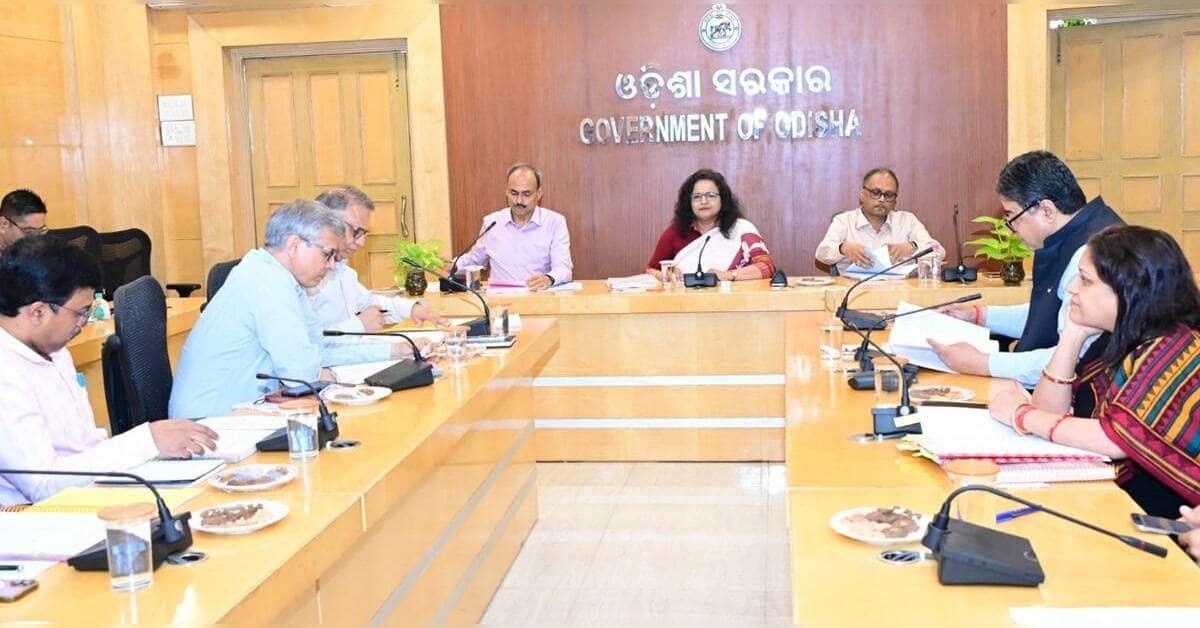
IDCO, IFC and Odisha’s PPP Cell join hands to develop a proposed 100-MLD seawater desalination facility at Gopalpur Industrial Park.
By – Snigdha Mishra | The Interview Times
Odisha Takes a Major Step in Industrial Infrastructure
Bhubaneswar, November 13, 2026: Odisha has taken a major step towards strengthening industrial water infrastructure. A tripartite agreement has been signed for a proposed ₹1,000-crore seawater desalination project at Gopalpur Industrial Park in Ganjam district.
The agreement was signed on November 12, 2026, between the Odisha Industrial Infrastructure Development Corporation (IDCO), the International Finance Corporation (IFC), and the state’s Public-Private Partnership (PPP) Cell.
The proposed plant will have a capacity of 100 million litres per day (MLD). It aims to provide a reliable water supply to industries operating in and around Gopalpur.
The project is expected to support industrial expansion while reducing pressure on conventional freshwater sources.
Why Gopalpur Is Important
Gopalpur is developing into an important industrial destination in southern Odisha. Its coastal location, port connectivity, and growing industrial infrastructure make it suitable for manufacturing investments.
However, industrial development requires dependable water resources. Large manufacturing facilities need water for processing, cooling, cleaning, and daily operations.
The proposed desalination plant aims to address this requirement by converting seawater into water suitable for industrial use.
If successfully implemented, the facility could strengthen Gopalpur’s industrial infrastructure and support future investment.



IDCO, IFC and Odisha Government Join Hands
The agreement was finalised during the 66th meeting of the Empowered Committee on Infrastructure for PPP Projects at Lok Seva Bhawan.
The meeting was chaired by Odisha Chief Secretary Anu Garg.
The collaboration brings together three institutions with different responsibilities.
IDCO is responsible for developing industrial infrastructure across Odisha. It supports industrial estates, land development, and essential facilities for businesses.
IFC, a member of the World Bank Group, provides expertise in private-sector development and infrastructure investment.
The Odisha PPP Cell supports infrastructure projects developed through partnerships between government agencies and private organisations.
Together, these institutions will support the project’s development under the PPP framework.
Chief Secretary Anu Garg Highlights Infrastructure Priorities
During the meeting, Chief Secretary Anu Garg emphasised the importance of creating a strong pipeline of viable PPP projects.
The discussions covered industrial infrastructure, affordable urban housing, and projects with wider public benefits.
IFC representative Kamal Dorabawila also expressed interest in supporting Odisha’s efforts to attract investment through well-structured infrastructure projects.
The meeting reflected the state’s focus on improving project planning and encouraging private-sector participation.
Odisha’s ₹16,330-Crore PPP Project Pipeline
The Gopalpur agreement formed part of a wider infrastructure review.
During the meeting, the committee granted in-principle approval to 11 projects worth approximately ₹15,498 crore.
Five additional projects, with an estimated cost of ₹831.68 crore, also received approval.
Together, these 16 projects represent a proposed investment pipeline of around ₹16,330 crore.
The committee also reviewed 28 ongoing PPP projects with a combined estimated cost of approximately ₹28,764 crore.
These figures reflect the scale of Odisha’s infrastructure planning. However, in-principle approval does not mean that all investments have been finalised or construction has begun.
How Desalination Can Support Industrial Growth
Desalination is the process of removing salt and other dissolved substances from seawater.
For coastal industrial regions, it offers an alternative source of water.
A dedicated desalination facility could help industries reduce their dependence on rivers, reservoirs, and groundwater.
It could also improve water supply planning as industrial demand increases.
However, desalination plants require substantial energy and careful environmental management. Their design must address issues such as seawater intake, operating costs, and the disposal of concentrated saline water.
These factors will be important as the Gopalpur proposal moves through its development stages.
What Happens Next?
The agreement is an important milestone, but the proposed plant is not yet operational.
Further steps will include technical assessments, financial planning, environmental clearances, and procurement procedures.
The project’s implementation timeline and final operating arrangements will depend on these processes.
For Odisha, the initiative represents an effort to strengthen industrial infrastructure before future demand increases.

A New Chapter for Gopalpur’s Industrial Development
The proposed ₹1,000-crore desalination facility could become an important addition to Gopalpur’s industrial ecosystem.
Its planned capacity of 100 MLD highlights the scale of the region’s anticipated water requirements.
More importantly, the project brings industrial water security into the wider discussion on sustainable infrastructure development.
If implemented successfully, it could improve water availability for industries and strengthen Gopalpur’s position as an investment destination.
The Interview Times will continue to follow the project’s progress as it moves from agreement and planning towards implementation.
