

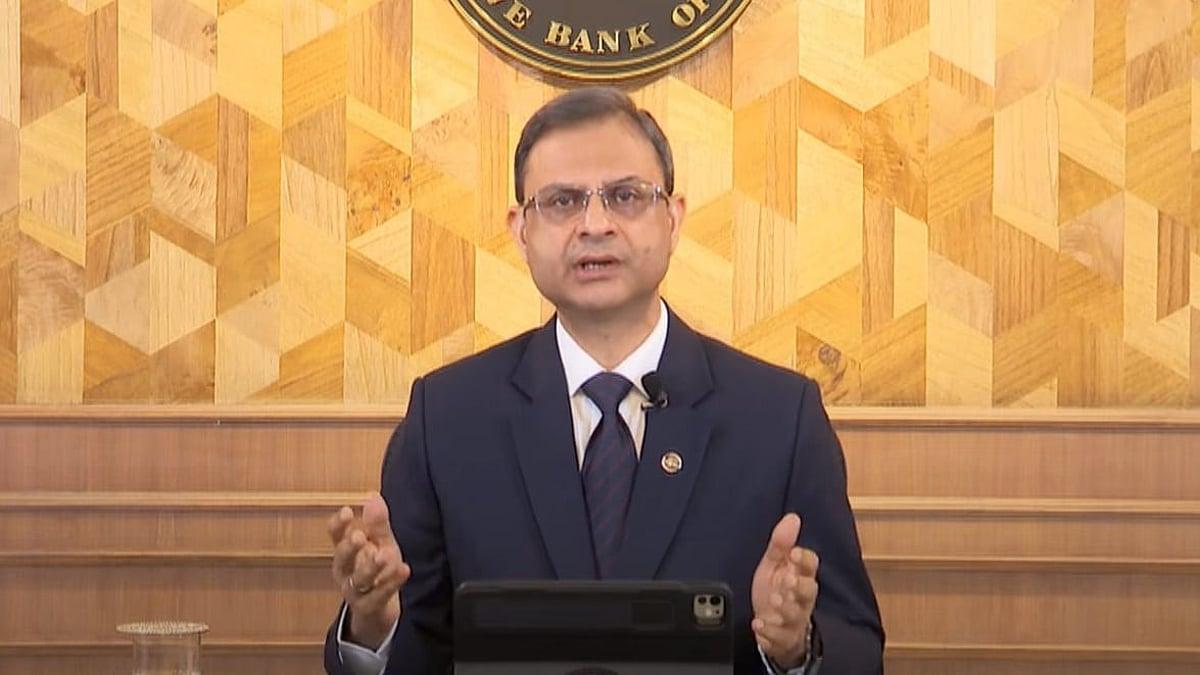
The Reserve Bank of India (RBI) has signalled that interest-rate hikes could return later this year if inflationary pressures become broader and more persistent. Minutes from the RBI’s August 5 monetary policy meeting, released on August 19, show that policymakers are increasingly concerned about the impact of higher crude-oil prices and rising input costs on the Indian economy.
The RBI has kept the repo rate unchanged at 5.25%, choosing to wait for clearer evidence about the direction of inflation. July consumer inflation was 4.45%, remaining within the RBI’s permitted 2–6% range. However, Governor Sanjay Malhotra warned that increases in food, fuel and other input costs could eventually spread across the wider economy. Deputy Governor Poonam Gupta similarly indicated that there is currently little room for further rate cuts and that policy could be tightened if inflation risks intensify.
At the same time, the RBI has revised its outlook for India’s economy. It has raised its FY2026–27 growth forecast to 6.7%, while slightly lowering its annual inflation forecast to around 5%. This suggests that the central bank remains relatively optimistic about economic growth but is preparing for a potentially more challenging inflation environment.
The pressure is also visible in the currency market. On August 19, the rupee fell to around ₹95.75 per US dollar, its weakest level in three weeks, as crude oil prices climbed and demand for dollars remained strong. Traders reported that the RBI was intervening through state-run banks to prevent a sharper fall in the currency. Brent crude has risen to nearly $92 a barrel, adding to India’s import-cost concerns because the country relies heavily on imported crude oil.
For households, the RBI’s stance could eventually affect home loans, personal loans, EMIs, savings returns and consumer prices. For businesses, higher borrowing costs could increase the cost of expansion and working capital. The central bank is therefore trying to balance two competing priorities: supporting India’s strong economic growth while preventing an oil- and supply-driven inflation shock from becoming entrenched.