

India is set to approve a $1.2 billion incentive scheme aimed at building a domestic base for high-value, technologically advanced construction and infrastructure equipment, according to two government sources cited in reports on the plan. The seven-year programme is designed to draw in roughly $1.8 billion of fresh investment from manufacturers, with incentives structured to make local production of complex machinery commercially viable for the first time.
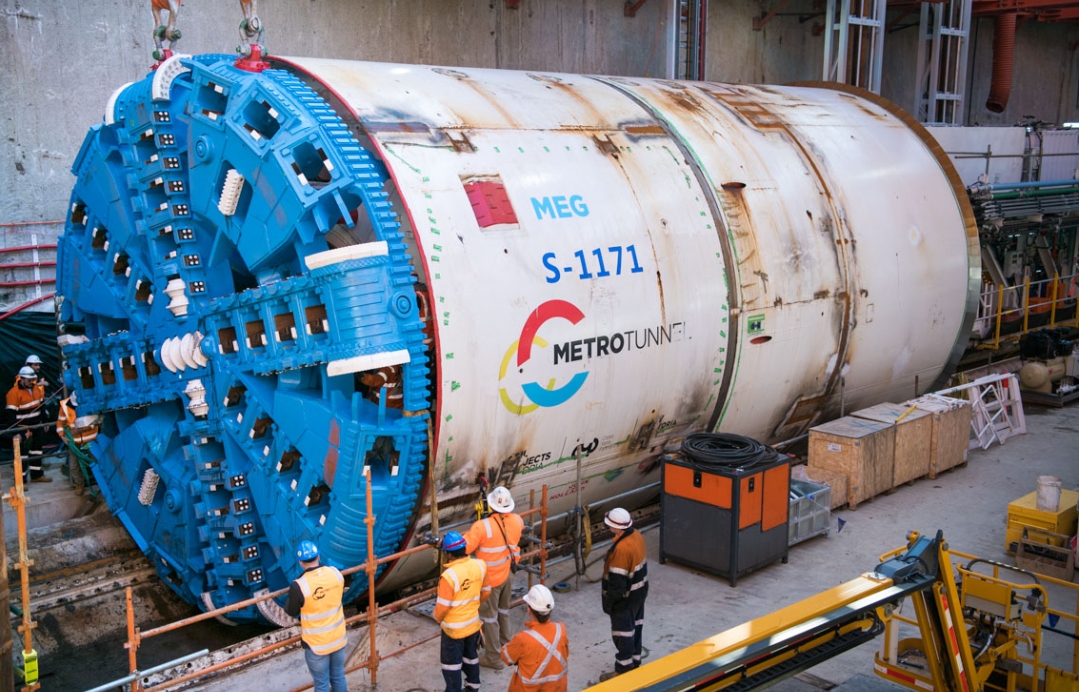
The scheme’s scope stretches across some of the most import-dependent segments of the construction sector. It covers equipment including tunnel boring machines, fire-fighting equipment and elevators used in high-rise buildings. Tunnel boring machines sit at the centre of the push, since India remains heavily dependent on imported tunnel boring machines, with China among the key suppliers of tunnelling and boring equipment used in metro projects.
The timing reflects both opportunity and vulnerability. India’s construction and infrastructure equipment market is valued at roughly 1 trillion rupees, or about $10.5 billion, and is expected to expand further as the country accelerates spending on roads, metros, airports and other infrastructure. That growth has collided with a supply chain that New Delhi no longer fully trusts. Following the deadly 2020 border clashes between Indian and Chinese troops, New Delhi imposed restrictions on investment and public procurement from Beijing, and in 2024 China began delaying customs clearances for tunnel boring machine shipments to India.
This scheme did not emerge overnight. It traces back to the Union Budget for 2026-27, where Finance Minister Nirmala Sitharaman first unveiled the Scheme for Enhancement of Construction and Infrastructure Equipment, initially seeded with a token ₹200 crore allocation covering lifts, fire-fighting systems and tunnel-boring machines for metro and high-altitude road projects. By March, the Ministry of Heavy Industries had signalled far larger ambitions, with Joint Secretary Vijay Mittal telling an industry summit that the government expected the scheme to unlock at least rs.1 lakh crore in investment and push domestic value addition in equipment manufacturing above 50 percent. The $1.2 billion figure now on the table marks the scheme moving from budget line item to a fully costed, seven-year national programme.
The stakes extend beyond machinery. With public capital expenditure climbing to rs. 12.2 lakh crore for the current fiscal year, every tunnel borer or elevator sourced from abroad represents value leaking out of India’s own infrastructure boom. Officials are betting that closing that gap now, before metro and highway construction accelerates further, will pay off in supply chain resilience for decades to come.