Subhechcha Ganguly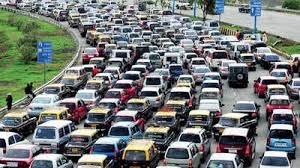
As India’s urban population surges and city streets grow more congested, a silent crisis is unfolding — air pollution driven by the explosive rise in private car ownership. A new report by the Central Pollution Control Board (CPCB) reveals that private vehicles contribute to over 40% of harmful emissions in metropolitan areas, making them a leading source of urban air degradation.
While public transport systems struggle to meet rising demand, millions of middle-class Indians are turning to personal vehicles as a symbol of status and convenience. However, this shift is taking a heavy toll on the environment.
“Each private car emits around 4.6 metric tons of carbon dioxide annually,” says Dr. Meera Desai, a climate scientist at the Indian Institute of Environment. “Multiply that by millions, and you’re looking at a catastrophe.”
The situation is exacerbated by outdated vehicle models and poor maintenance, especially in cities like Delhi, Mumbai, and Bengaluru. Emissions from petrol and diesel engines release fine particulate matter (PM2.5), which penetrates deep into lungs, leading to respiratory and cardiovascular issues.
Efforts such as the promotion of electric vehicles (EVs), stricter emission norms, and carpooling initiatives are underway. But experts argue that real change will require behavioral shifts and stronger policies.
“Urban India must rethink mobility. More footpaths, better buses, and stricter parking laws can change how people move,” adds Desai.
As the country marches toward economic growth, it stands at a crossroads. Will India choose cleaner air or continue down a road clouded by exhaust fumes?