Interviewtimes
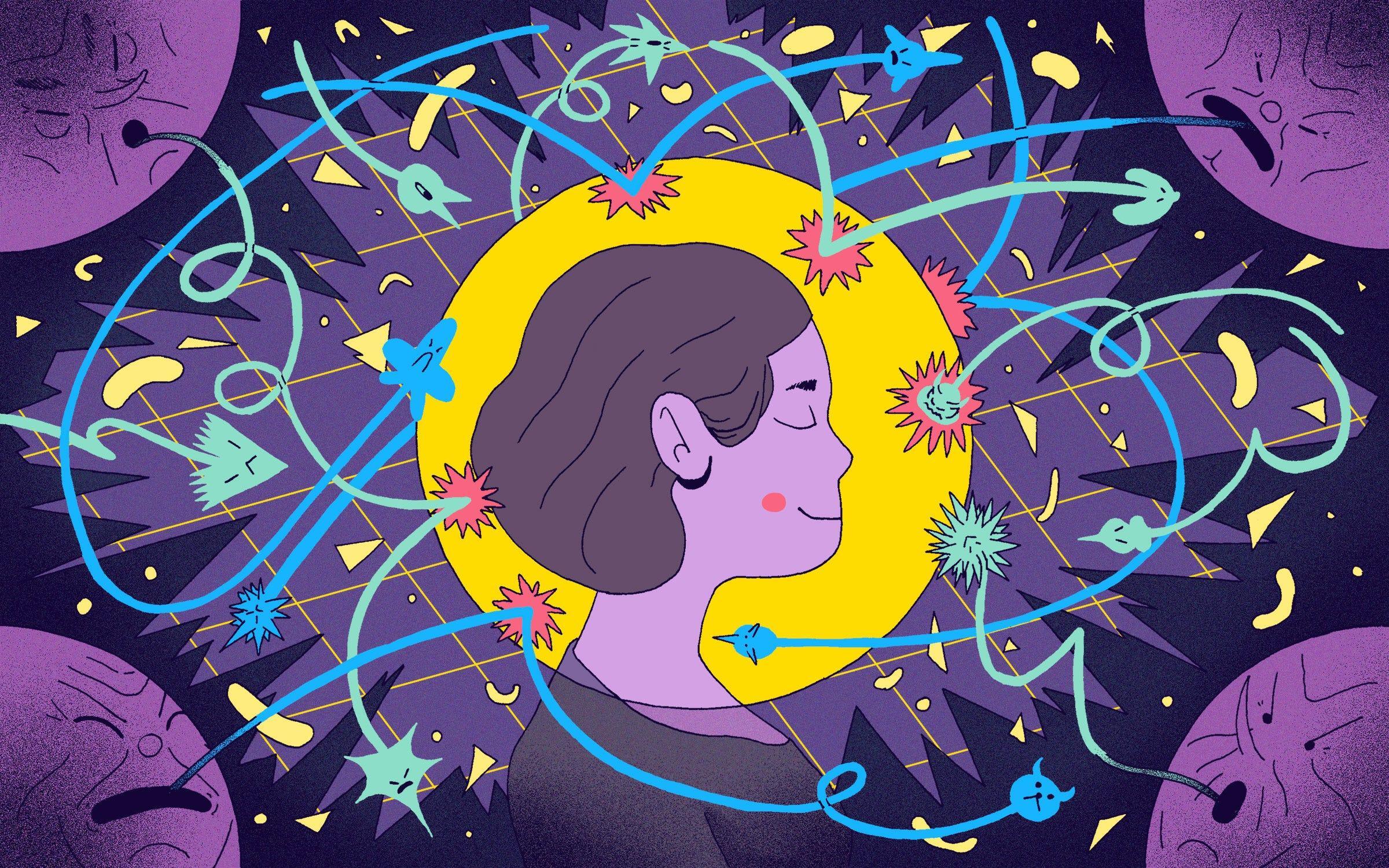
COVID-19 has brought unprecedented dread, vulnerability and events of violence among the medical community. Health care professionals (HCPs) all around the globe are working resolutely to serve mankind, meanwhile engaging with these obsolete feelings. It is, along these lines, genuinely debilitating when one finds out about cases of abuse and exclusion against HCPs, as the issue of violence against healthcare professionals, especially doctors in India is expanding consistently. Regardless of numerous measures like improved security to doctors at the workplace and stricter medical negligence laws, Indian health care workers are wavering near the very edge of a significant quiet crisis, in the midst of the COVID-19 pandemic.
It would turn into a basic need of great importance if just enough conversation was laid upon the states of healthcare workers in India, who are more than depleted, intellectually just as actually, taking on a global battle that is by all accounts endless, while having no genuine security of their own.
Disappointed patients and their disturbed kith and kin and family members, weakened specialist patient relationship, an always eager media and the medical community’s negative picture made by misdirecting reporting have vehemently contributed to the sorry state. Nonetheless, the dread and vulnerability of COVID-19 pandemic and the misled doubt of health care workers being vectors of transmission were the underlying driver for these new disasters.
These events of violence put the medical community in a condition of dread and lament for picking a vocation when the general public doesn’t uphold them. A dominant part of health care workers is presently reluctant to rouse their kids to seek, once respected by the society not very far in the past.
The passionate and mental trauma and exhaustion that follows the same isn’t recorded in any space at all, on the grounds that there is not really any stage for them to voice their concerns or to connect with the masses while dealing with patients during a pandemic. Witnessing, recording and deaths on a personal level on a regular basis, and as yet getting up in the first part of the day and putting on one’s uniform requires a colossal measure of boldness and strength. However, each and every day, they assemble each ounce of energy to give the best consideration to their patients, in this way putting their own health second.
Farse measures to an event of violence are probably not going to help the hailing confidence of the medical task force or address economical break throughs. The change should come from ‘the inside’— inside people, in their insight towards health care workers. To hold over this emergency, government offices should work together with people in general; to lessen their apprehensions, to cause them to understand the criminal idea of defacing and violence in a medical clinic, and the disreputable and ungratifying marrow of exclusion.
Additionally, for health care workers to work boldly with commitment and devotion during COVID-19, there is an urgent need to revive the trust that patients and the society spot in their PCPs. Last, however not least, individuals ought to understand that emergency clinics are focuses of mending and recovery, and that health care workers are fundamental to the wellbeing and prosperity of the society.

Image Source: WHO
Reports show that more than 75% of doctors across the nation have faced probably some type of vandalism and violence and that 68.33% of the violence was submitted by the patient’s families/accompanies. Yet, these numbers are a belittle as all instances of violence are not revealed. Health care workers regularly recognize the circumstance of the family members of the patient who are in trouble and don’t report such cases. Generally, those cases are accounted for where the doctor feels a genuine danger of life.
For a military that battles carefully every day without being given the regard and compensation that they appropriately merit, health care workers have demonstrated to be parental figures of the greatest order today. The opportunity has already come and gone that they are expressed gratitude toward via social media or over papers, yet given the due acknowledgment and recognition in the public arena that has been long past due.