Dikhyaa Mohanty
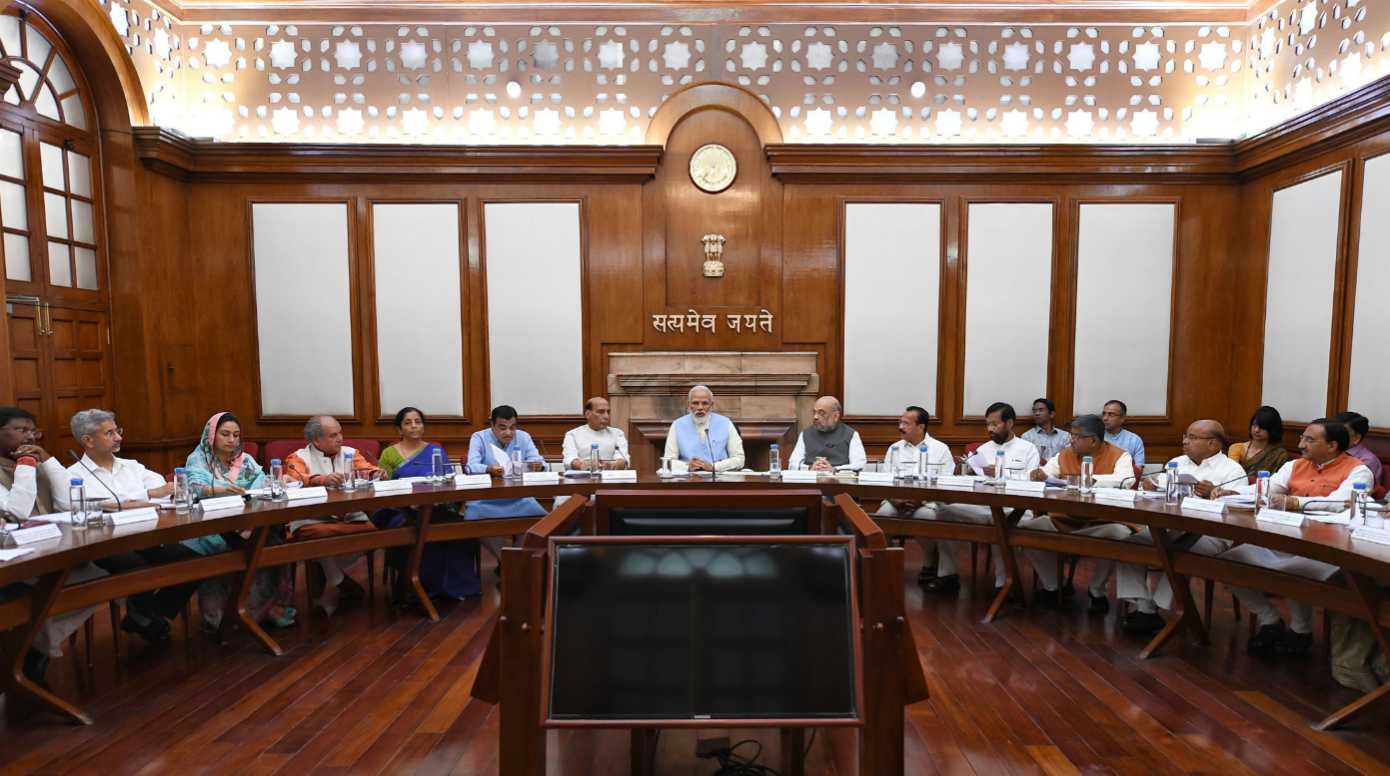
Today’s high-impact workshop on Agro-Tourism was hosted by the state government’s Tourism Department in partnership with the Agriculture and Farmers’ Empowerment Department, marking a significant step towards redefining rural lives and integrating tourism. In order to examine the enormous potential of agro-tourism as a driver of rural economic development, the workshop gathered together passionate agro-landowners, forward-thinking farmers, legislators, and subject matter specialists.
Pravati Parida, the deputy chief minister and minister of tourism, and Kanak Vardhan Singh Deo, the deputy chief minister and minister of agriculture and farmers’ empowerment, co-chaired the event. Their presence demonstrated the government’s comprehensive strategy for rural development. In their speeches, they highlighted the enormous potential of combining tourism and agriculture to support rural pride, sustainable business models, and the creation of additional revenue throughout Odisha. The State’s dedication to strengthening farmers and agro-landowners through coordinated assistance, policy convergence, and the practical execution of agro-tourism projects was reiterated by the leadership.
“It is heartwarming to see the youth reconnecting with their roots—celebrating our farm-fresh cuisine and rural way of life. We need to leverage Odisha’s agrarian heritage to build immersive tourism experiences that celebrate the land, people, and culture of the State,” said Deputy Chief Minister Pravati Parida.
The workshop emphasized the State’s targeted initiatives under the “Vision 2036” framework, which has determined 15 integrated development priority locations. Furthermore, in an effort to provide carefully chosen rural experiences—from farm stays and traditional food to nature trails, handicrafts, and hands-on agricultural engagement—the Department of Tourism is aggressively encouraging the creation of Agro-Tourism Units. These programs aim to promote inclusive and sustainable rural businesses by providing agro-landowners, self-help organizations, and rural communities with new sources of revenue.