Subhechcha Ganguly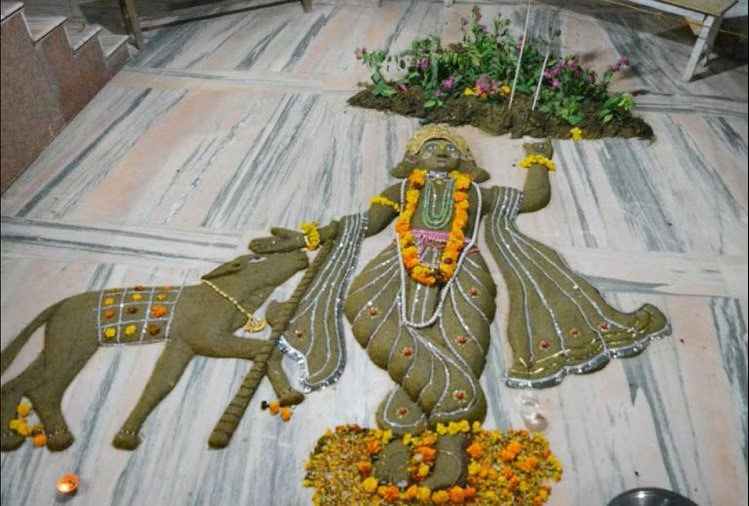
Festival season is upon us. Every year, the nation celebrates Diwali with much fanfare and extravagance. One of the most anticipated celebrations of the year is the Festival of Lights. Diwali celebrations culminate in Bhai Dooj after Dhanteras. There are lights, colours, rituals, and a sense of joyous reunion over the five days of celebration. Dhanteras will be celebrated on November 11 of this year.The date of Diwali is November 12. This year, Chhoti Diwali coincides with Diwali, even though it is customarily observed on the day before Diwali. Govardhan Puja is held the day following Diwali.
History
Hindu mythology states that Lord Krishna once urged people to worship the Govardhan mountain rather than Lord Indra with their prayers. He thought that Govardhan Mountain, which fed the cows, ought to be worshipped rather than Lord Indra, who brought us rain. He informed his mother Yashoda that the rain we receive is the duty of Lord Indra. In response, Lord Indra became enraged and unleashed so much rain that the area experienced flooding. But with the touch of a single finger, Lord Krishna raised the Govardhan mountain, providing everyone beneath it with safety from flooding. Lord Indra was taken aback by this and halted the rain. Ever since, Govardhan Puja is observed one day following Diwali.
Significance
We may show our appreciation for the abundance of the environment and how we can live in harmony and connection by participating in Govardhan Puja. It inspires individuals to help preserve the environment and to respect and value the world’s natural resources. Devotees construct mounds of cow dung cakes on this day to symbolise the powerful Govardhan mountain. In addition, they roam about their regions reciting mantras and hymns.