
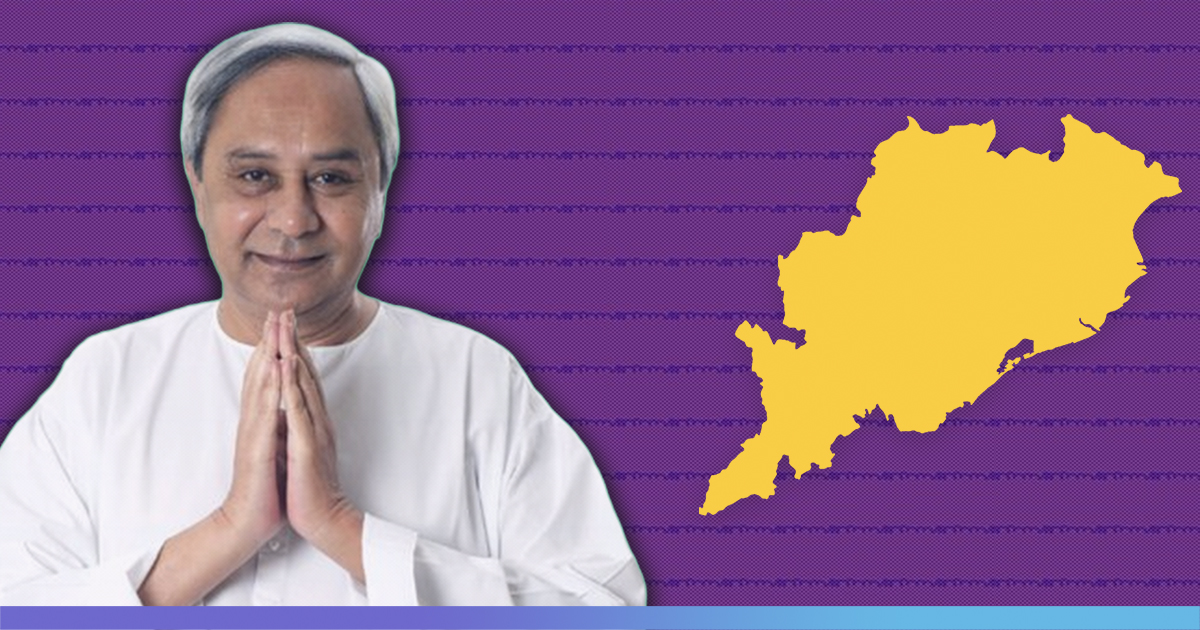
Once considered the poorest state in India, Odisha has witnessed a remarkable transformation over the past two decades, evolving into a vibrant and promising development story. This dramatic shift isn’t just a stroke of luck, but a testament to the focused leadership of Chief Minister Naveen Patnaik and his strategic approach to growth.
Before 2000, Odisha was plagued by poverty, illiteracy, and natural disasters. Cyclones battered its coasts, leaving devastation in their wake. Malnutrition was rampant, and the state struggled to attract investments. Enter Naveen Patnaik, a man with a quiet demeanor but a clear vision for his state.
Patnaik’s first move was to prioritize good governance. He cracked down on corruption, instilled accountability in bureaucracy, and ensured transparent utilization of resources. This created a stable environment conducive to business and investment.
Next, he focused on empowering the rural population, the backbone of Odisha. Programs like Biju Krushi Vikas Yojana (farm loans), the KALIA scheme (financial assistance for farmers), and Mission Shakti (women’s self-help groups) transformed the rural landscape. Farmers received support, income soared, and villages were rejuvenated.
Education became another key thrust. Robust infrastructure development led to better school buildings and access to education for all. Literacy rates climbed, and a skilled workforce emerged, ready to contribute to the state’s growth.
Patnaik recognized the potential of Odisha’s rich natural resources. He streamlined the mining sector, attracting major investments and generating revenue for infrastructure development. Roads, bridges, and ports sprung up, connecting remote areas and boosting trade.
While leveraging its resources, Patnaik also prioritized environmental protection. Odisha became a frontrunner in renewable energy, with massive solar and wind power projects. The government introduced sustainable initiatives like Mission AARE (afforestation) and prioritized rainwater harvesting, combating climate change and fostering ecological balance.
Patnaik’s leadership proved its mettle during natural calamities. Odisha’s disaster management system, meticulously refined over the years, became a national model. Early warnings, well-coordinated evacuations, and efficient relief operations minimized casualties and helped communities bounce back faster.
The results of these initiatives are undeniable. Odisha’s poverty rate has plummeted, with over 20% reduction in just a decade. The state boasts one of the fastest-growing economies in India, attracting major corporate investments and creating vibrant industrial corridors. Odisha is now a hub for steel, aluminum, and IT industries, with its capital Bhubaneswar transforming into a buzzing metropolis.
But the transformation goes beyond numbers. Odia culture is celebrated like never before. Konark Sun Temple, Puri Jagannath Rath Yatra, and Bargarh’s Dhanu Yatra attract tourists from across the globe, showcasing the state’s rich heritage.
This is not to say that challenges don’t remain. Inequality, migration, and climate vulnerabilities still require attention. Yet, under Patnaik’s leadership, Odisha has come a long way, proving that development is possible even for the most disadvantaged regions.
The first-ever World Odia Language Conference was held recently, aiming to promote and celebrate the Odia language. The conference, which will now be held every five years, saw Chief Minister Naveen Patnaik announce several initiatives to support Odia, including a centre for Odia studies at JNU. Events to encourage creative writing among schoolchildren were also part of the conference. These efforts highlight the remarkable rise of Odisha under Naveen Patnaik’s leadership, with the Odia language being a central part of the state’s cultural identity.
Naveen Patnaik’s story is not just about a politician, but about the resilience of a state and its people. It’s a story of hope, hard work, and the unshakeable belief in a brighter future. Odisha’s journey from rags to resurgence is an inspiration, not just for India, but for the world, proving that even the most daunting challenges can be overcome with vision, determination, and unwavering commitment to progress.
