
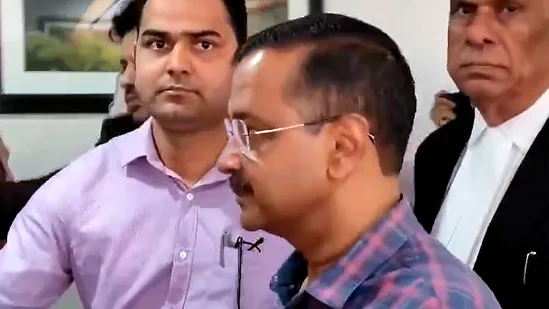
In a dramatic turn of events, the Enforcement Directorate (ED) has arrested Arvind Kejriwal, the prominent political figure and former Chief Minister of Delhi, sending shockwaves through the nation’s political landscape. The arrest, which came after months of investigation into alleged financial irregularities, has sparked widespread debate and speculation.
Kejriwal, known for his anti-corruption stance and vocal criticism of the establishment, has long been a polarizing figure in Indian politics. His tenure as Chief Minister of Delhi was marked by both praise for his populist policies and criticism for his confrontational style.
The ED’s investigation into Kejriwal’s financial affairs has been ongoing for several months, with allegations of money laundering and illegal funding swirling around the politician. The arrest comes as a culmination of these investigations, raising questions about the credibility of the accusations and the timing of the arrest, given Kejriwal’s prominence in the opposition ranks.
Supporters of Kejriwal have decried the arrest as politically motivated, alleging that it is an attempt by the ruling party to silence dissent and undermine opposition leaders. They argue that Kejriwal’s relentless crusade against corruption has made him a target of the establishment, and that his arrest is a blatant attempt to tarnish his reputation and stifle his political influence.
Conversely, critics of Kejriwal have welcomed the arrest, portraying it as a long-overdue reckoning for a politician who has allegedly flouted the law and abused his position for personal gain. They point to the ED’s findings as evidence of wrongdoing and argue that Kejriwal must be held accountable for his actions, regardless of his political standing.
The arrest of Arvind Kejriwal has ignited fierce debate and speculation across the country, with supporters and detractors alike closely watching the developments unfold. As the legal proceedings progress, the case is likely to have far-reaching implications for the future of Indian politics, shaping public perceptions of accountability, transparency, and the rule of law.
