
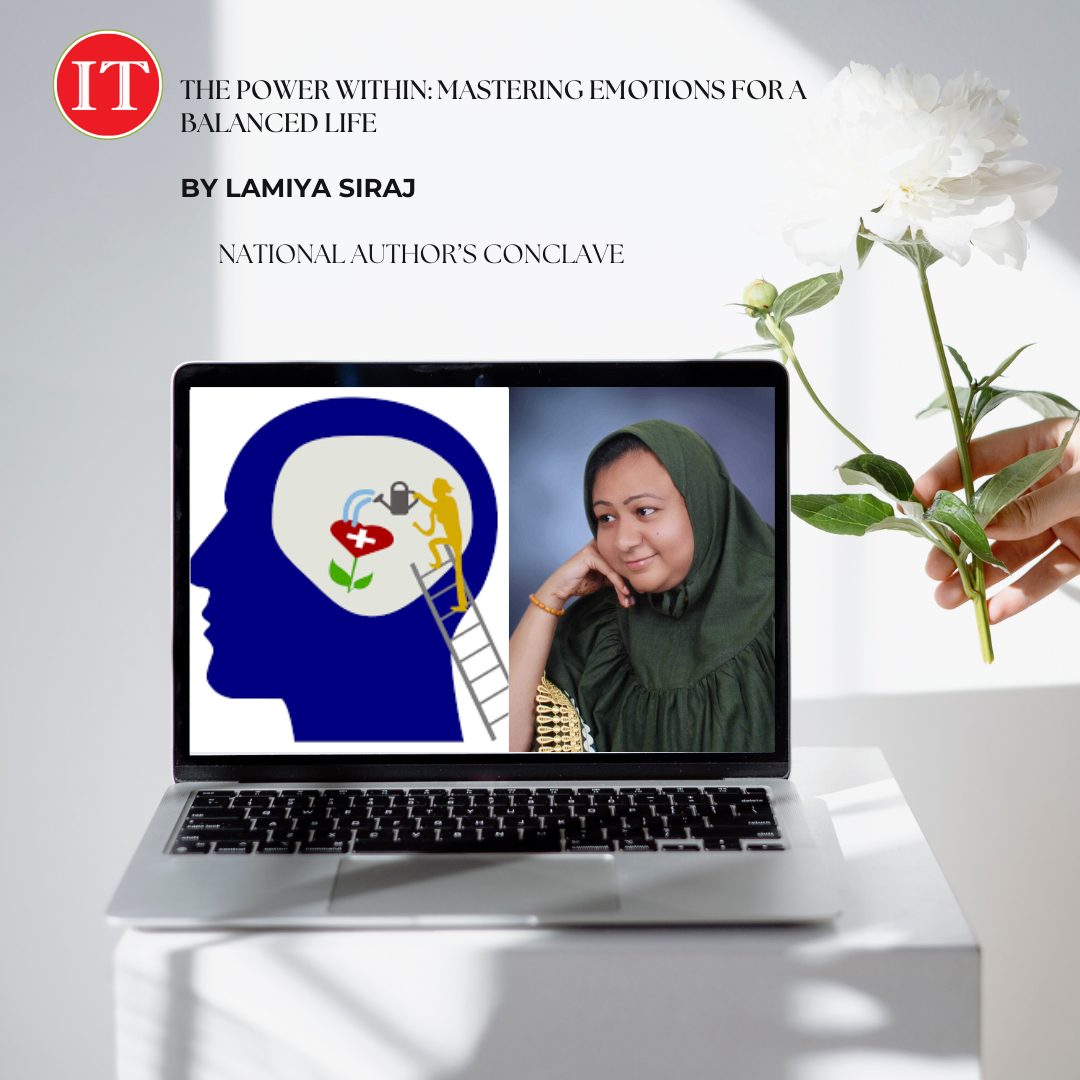
Emotions are an intrinsic part of being human. They shape our decisions, define our relationships, and significantly influence our overall well-being. However, when left unchecked, emotions, especially negative ones, can make us feel overwhelmed, leading to reactions that we might later regret. Understanding and managing emotions is essential for living a balanced and fulfilling life.
The Nature of Emotions
Emotions can be unpredictable and intense. They are not inherently good or bad; instead, they serve as vital signals that help us navigate life. Positive emotions, such as joy and love, enhance our sense of connection and happiness. Negative emotions, like anger and fear, act as warning systems, drawing our attention to potential threats or unresolved issues. However, when negative emotions dominate, they can cloud our judgment, harm our relationships, and significantly impact our physical and mental health.
Suppressing emotions, especially negative ones, can lead to significant mental health challenges. Bottled-up feelings may manifest as anxiety, depression, or even physical ailments over time. It is crucial to address emotions rather than ignore or suppress them.
The Power of Emotional Intelligence
Emotional intelligence (EI) plays a pivotal role in managing emotions effectively. EI is the ability to recognize, understand, and manage our emotions while also being sensitive to the emotions of others. Developing emotional intelligence involves three key components:
Self-awareness
The foundation of emotional intelligence begins with recognizing and understanding your emotions. What triggers specific feelings? Why do you react in certain ways? Identifying the root cause of your emotions helps you address them constructively.
Self-Regulation
Once you understand your emotions, managing them becomes easier. Self-regulation involves responding to emotions thoughtfully rather than reacting impulsively. This means finding healthy outlets to process feelings, such as journaling, meditating, or engaging in physical activity.
Empathy
Understanding the emotions of others fosters deeper connections. Empathy allows us to navigate interpersonal relationships with compassion and understanding, reducing conflicts and enhancing harmony in our personal and professional lives.
Transforming Beliefs to Manage Emotions
At the heart of many negative emotions lie our core beliefs. For instance, feelings of inadequacy often stem from the belief that we are not good enough. Similarly, anger might arise from the belief that we have been treated unfairly. By examining and challenging these beliefs, we can transform our emotional responses.
To change negative beliefs into positive ones, start by identifying the thought patterns fueling your emotions. Replace self-critical thoughts with affirming ones. For example, instead of thinking, “I always fail,” remind yourself, “I am learning and growing from my experiences.” This shift in perspective can prevent negative emotions from taking hold and help you develop a more positive outlook on life.
The Benefits of Emotional Mastery
Effectively managing emotions leads to numerous benefits:
– Enhanced mental health and psychological resilience
– Stronger, more meaningful relationships
– Improved decision-making capabilities
– Greater professional success
– Increased self-confidence and inner peace
Moving Forward
Emotions are powerful forces in our lives, but they don’t have to control us. With emotional intelligence and a conscious effort to challenge negative beliefs, you can navigate life’s ups and downs with grace and confidence. Embrace your emotions, learn from them, and use them as tools to become the best version of yourself.
Remember that emotional mastery is a journey, not a destination. Each day brings new opportunities to practice and grow in your emotional intelligence. The more you understand and work with your emotions, the better equipped you’ll be to face life’s challenges and celebrate its joys.
Final Thoughts
Emotions are powerful, but they don’t have to control you. With emotional intelligence and a conscious effort to challenge negative beliefs, you can navigate life’s ups and downs with grace and confidence. Embrace your emotions, learn from them, and use them to become the best version of yourself.
