
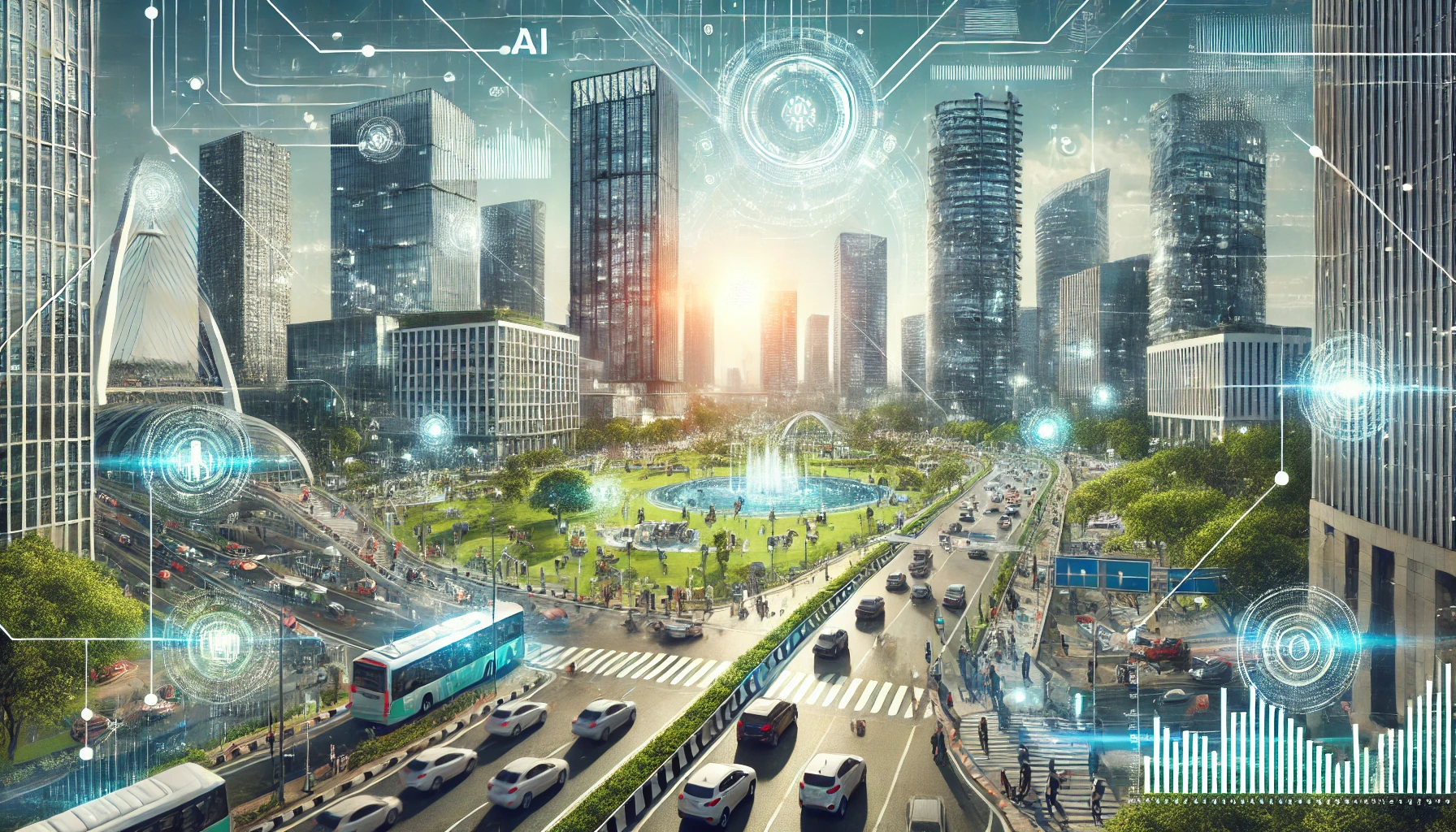
FEATURE: India’s urban landscape is undergoing a rapid transformation, driven by the government’s ambitious Smart Cities Mission. Launched in 2015, the initiative aims to create 100 technologically advanced, citizen-friendly, and sustainable urban centers. With nearly 93% of the tendered projects completed and over ₹150,000 crores invested, India has made significant strides in modernizing its cities. But is the country truly ready for the future?
Smart cities are designed to integrate digital technology, efficient urban planning, and sustainable solutions to tackle the challenges of urbanization. The key focus areas include smart governance with digital citizen services, efficient public transport and traffic management, sustainable energy solutions and green spaces, water conservation and waste management, and robust infrastructure for healthcare and education. With cities becoming economic powerhouses, the need for intelligent and resilient infrastructure is more pressing than ever. However, while the mission has brought about significant progress, urban centers like Bengaluru highlight the growing pains of modernization.
Once a peaceful, green city, Bengaluru—India’s Silicon Valley—has been pushed to its limits by exponential growth. With its population soaring from 8 million in 2010 to nearly 14 million in 2024, the city faces severe traffic congestion, long commute hours due to inadequate road infrastructure, water scarcity caused by unchecked urban sprawl leading to groundwater depletion and unreliable water supply, urban flooding due to poor drainage and over-construction causing devastating floods during monsoons, and rising property prices as rapid commercialization has made affordable housing a challenge. Despite its status as a tech hub, Bengaluru’s infrastructure struggles to keep pace with its growth. This stark contrast raises concerns about whether smart city initiatives alone can solve deep-rooted urban issues.
Recognizing these challenges, the Indian government has committed nearly $300 million over two years to mitigate flooding and conserve water in seven major cities, including Mumbai, Chennai, and Bengaluru. Additionally, the Atal Mission for Rejuvenation and Urban Transformation (AMRUT) aims to strengthen urban sewage networks and water supply systems, complementing the Smart Cities Mission. While these efforts reflect a commitment to sustainable urban development, experts argue that policy execution, community participation, and private-sector collaboration are crucial to ensuring long-term success.
For India to truly embrace the future of urban living, smart city development must go beyond technology-driven solutions. The real test lies in addressing the foundational issues of governance, resource management, and environmental sustainability. Key areas that require urgent attention include public-private partnerships to encourage investment in sustainable infrastructure, local community engagement to ensure that smart city projects align with the needs of residents, and climate resilience by incorporating eco-friendly solutions to combat urban heat, flooding, and pollution. India has taken bold steps in the right direction, but the journey to truly smart cities is far from over. With a growing population and increasing urban demands, the country must strike a balance between technological advancement and sustainable living to be fully prepared for the future.
