Suparjya swain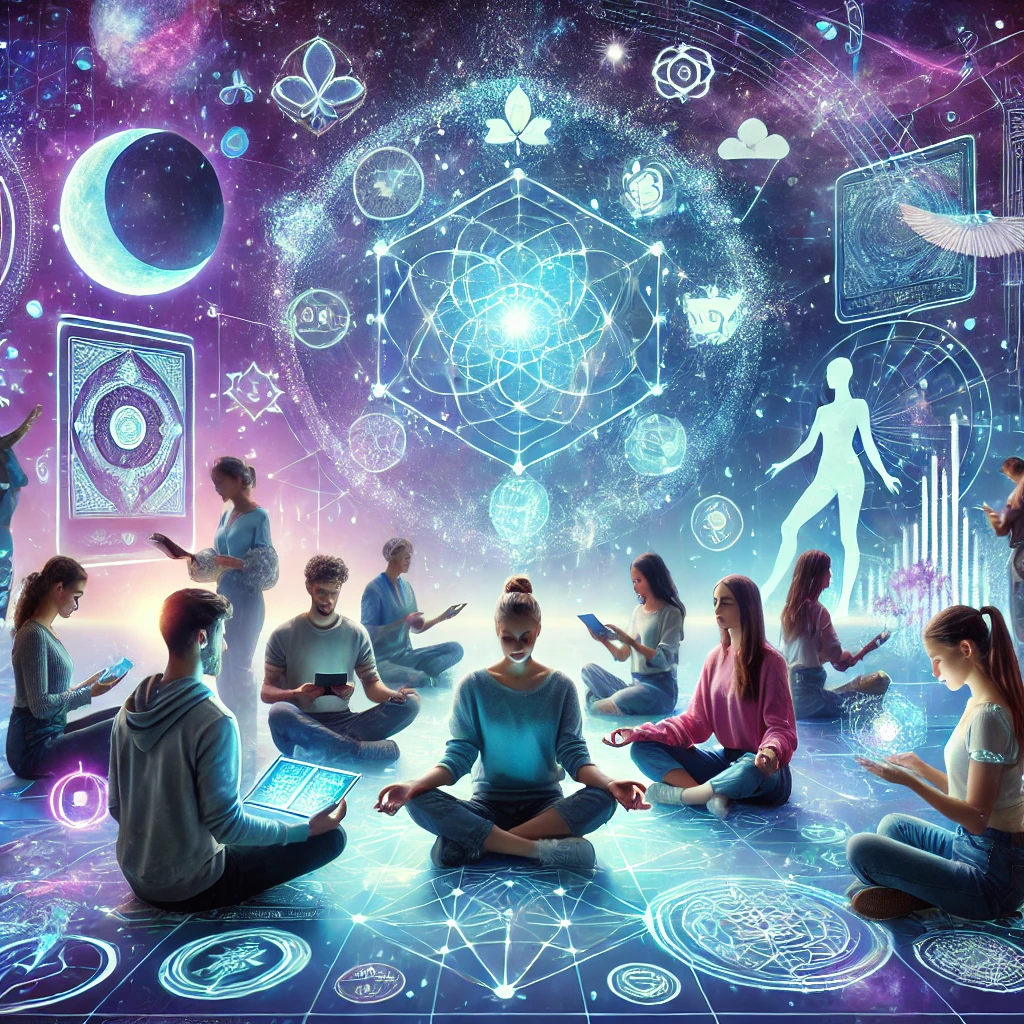
FEATURE: In an era where technology dominates daily life, spirituality is undergoing a transformation. No longer confined to traditional religious institutions, young people across the globe are redefining what it means to be spiritual. For them, faith is fluid, personal, and often digital. From mindfulness apps to online spiritual communities, modern spiritualism is evolving beyond rituals and dogma, embracing a more holistic and inclusive approach.
Social media platforms like Instagram, YouTube, and TikTok have become new-age temples where spirituality is shared and explored. Young influencers post daily affirmations, guided meditations, and philosophical discussions, reaching millions. Podcasts and blogs dive into topics like manifestation, mindfulness, and ancient wisdom adapted for contemporary living. Even artificial intelligence is being used to generate personalized spiritual guidance, bridging the gap between tradition and technology.
Unlike previous generations, where spiritual identity was often inherited, today’s youth are carving their own paths. Many identify as “spiritual but not religious” (SBNR), blending practices from different traditions to create a belief system that resonates with them. Yoga, tarot reading, astrology, and mindfulness techniques are no longer fringe ideas but integral parts of mainstream self-care routines.
“For me, spirituality is about connection—to myself, to the universe, and to others,” says Aditi, a 25-year-old digital marketer who follows a mix of Buddhist meditation, Hindu philosophy, and Western self-help practices. “I don’t need to follow one religion to feel spiritually fulfilled.”
Another significant shift is the link between spirituality and mental health. With rising anxiety and stress levels, young people are turning to spiritual practices for emotional resilience. Meditation and breathwork, once confined to monasteries and yoga retreats, are now recommended by psychologists and wellness coaches. Apps like Headspace and Calm have made meditation accessible, while online spiritual therapists help bridge the gap between faith and mental well-being.
Spirituality is no longer just about the afterlife; it’s about enhancing the quality of life here and now. This mindset shift has led to a growing acceptance of holistic healing, energy work, and the belief in the power of positive thinking.
While traditional places of worship still hold significance, online spiritual communities are thriving. Facebook groups, Reddit forums, and Discord servers offer safe spaces for young seekers to discuss spirituality without judgment. Virtual spiritual retreats and live-streamed ceremonies allow people from different corners of the world to unite in their quest for meaning.
However, critics argue that digital spirituality can sometimes lead to misinformation, commercial exploitation, or surface-level engagement. “It’s important to distinguish between genuine spiritual growth and trends that come and go,” warns Dr. Rohan Mehta, a sociologist studying modern belief systems. “Real transformation comes from practice, not just consumption of content.”
As young people continue to explore spirituality in new and innovative ways, the future of faith appears more personalized, inclusive, and adaptable. Whether through virtual meditation circles, AI-generated mantras, or a fusion of ancient and modern practices, spirituality in the digital age is breaking barriers.
Ultimately, modern spiritualism is about empowerment—allowing individuals to seek and define their own truth, free from rigid structures. As technology evolves, so too will the ways in which people connect with their inner selves, the universe, and each other.
For today’s youth, spirituality is no longer about following a single path; it’s about walking many, discovering meaning along the way.