Subhechcha Ganguly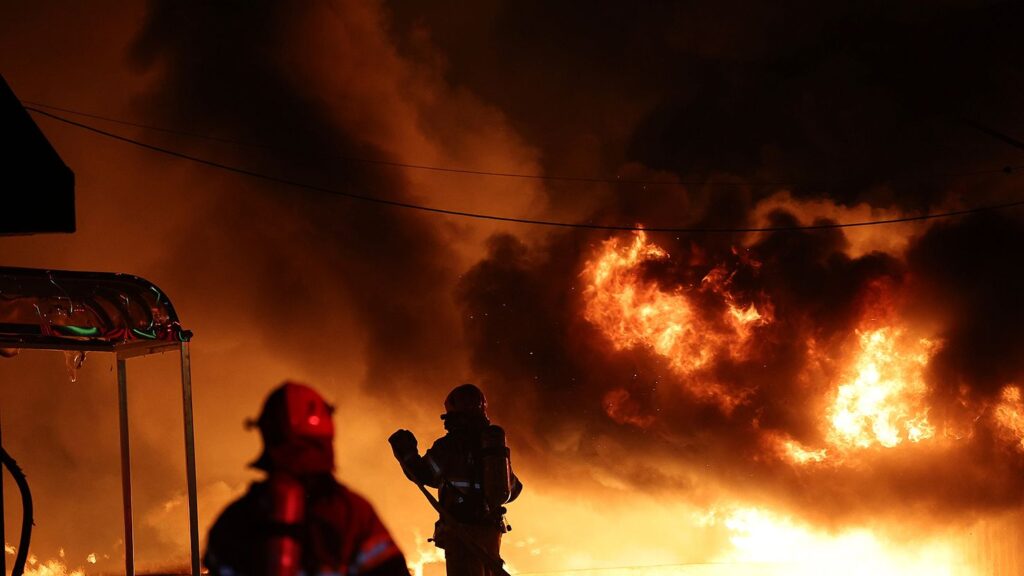
Wildfires are among the most devastating natural disasters, causing significant environmental, economic, and human losses. South Korea is currently battling one of the worst wildfires in its history, with flames rapidly spreading due to strong winds and dry conditions. The fire has destroyed vast areas of forest, homes, and infrastructure, forcing thousands to evacuate.
Wildfires occur when dry vegetation, high temperatures, and strong winds combine to create the perfect conditions for flames to ignite and spread. They are often triggered by human activities such as discarded cigarettes, unattended campfires, or power line failures, though natural causes like lightning can also be responsible. Once started, a wildfire can quickly escalate, threatening lives and wildlife habitats.
The consequences of wildfires are severe. They contribute to air pollution by releasing carbon dioxide and toxic particles into the atmosphere, worsening climate change. The loss of vegetation also leads to soil erosion and disrupts local ecosystems. In South Korea, emergency responders are working tirelessly to control the blaze, using helicopters and fire crews to prevent further destruction.
Preventing wildfires requires strict fire safety measures, early detection systems, and responsible human behavior. As climate change increases the frequency of such disasters, global cooperation is crucial to mitigating their impact.