Suparjya swain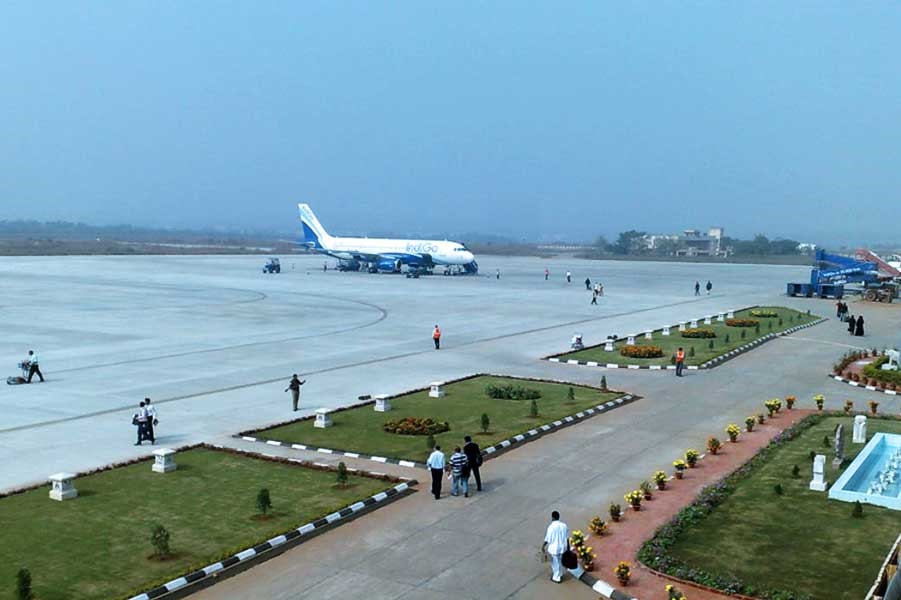
Bhubaneswar: Several Indian Flight Training Organisations (FTOs) have appealed to the Odisha government to relax the eligibility criteria in the bidding process for operating the proposed Biju Patnaik Aviation Centre (BPAC) in Dhenkanal district. The primary concern raised by domestic FTOs is the condition that requires bidders to have a minimum turnover of Rs 100 crore in each of the last three financial years—a threshold they claim is unattainable due to the financial setbacks caused by the COVID-19 pandemic.
The appeal was made during a recent pre-bid meeting convened by the Transport and Commerce Department of the Odisha government. Representatives from various Indian FTOs highlighted that the pandemic had a crippling effect on the aviation training sector, leading to significant financial losses. Consequently, most domestic players are unable to meet the stipulated turnover criteria, which also includes the pandemic-affected years.
While the concerns have been duly noted, a senior government official clarified that no decision has been taken yet regarding any relaxation of the eligibility norms.
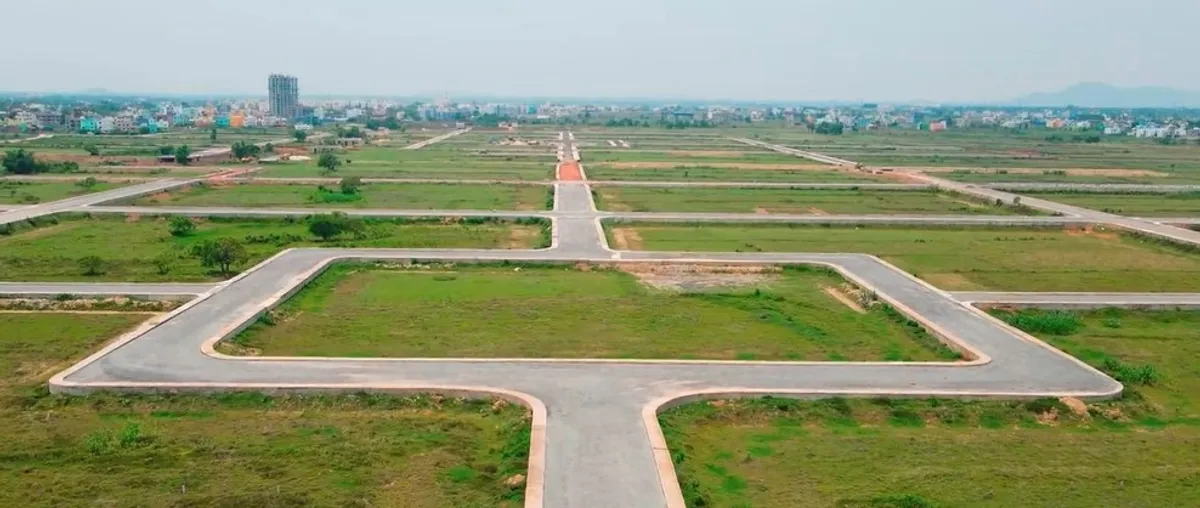
The Odisha government has already floated a tender to select an Operating Partner (OP) to manage and run the BPAC in Dhenkanal. The project is envisioned as a major step toward bolstering the aviation training infrastructure in the state and the country at large. A site at Birasal in Dhenkanal has been earmarked for the development of the centre, with an estimated investment of Rs 562 crore.
According to the project plan, the BPAC will feature a fully developed airstrip, 53 trainer aircraft, 3 flight simulators, hangars, service buildings, student hostels, and other essential infrastructure. Once fully operational, the centre aims to train around 500 pilots annually, making a substantial contribution to the domestic aviation industry.
The state government’s move aligns with a broader national need for aviation professionals. A resolution notified on March 12, 2024, by the Odisha government noted that India must consistently produce 2,000 pilots annually over the next 20 years to meet growing demand. Currently, the country’s flying schools are only able to produce 900 to 1,000 pilots each year, leading to a shortfall that forces many aspirants to seek training abroad.
Data from the Director General of Civil Aviation (DGCA) further reveals that nearly 42% of commercial pilot licenses in India are issued to candidates trained at foreign flying schools. The BPAC initiative, therefore, is being viewed as a potential game-changer that could help reverse this trend and enhance India’s self-reliance in aviation training.
At least four Indian FTOs have shown strong interest in participating in the project but are currently ineligible due to the turnover clause. Stakeholders are hopeful that the state government will review and revise the conditions to enable broader domestic participation in this ambitious venture.
- Swapna Priyadarshini From Odisha In Top 3 Of Mtv Supermodel Of The Year
- 15-Day Lockdown From May 5 In Odisha, Check Full Details
- MHA blames Punjab Government for the Major Security Lapse on PM Modi’s arrival in Bhatinda
- Corona’s second indigenous vaccine to be available in India by August: Government orders 30 crore doses