
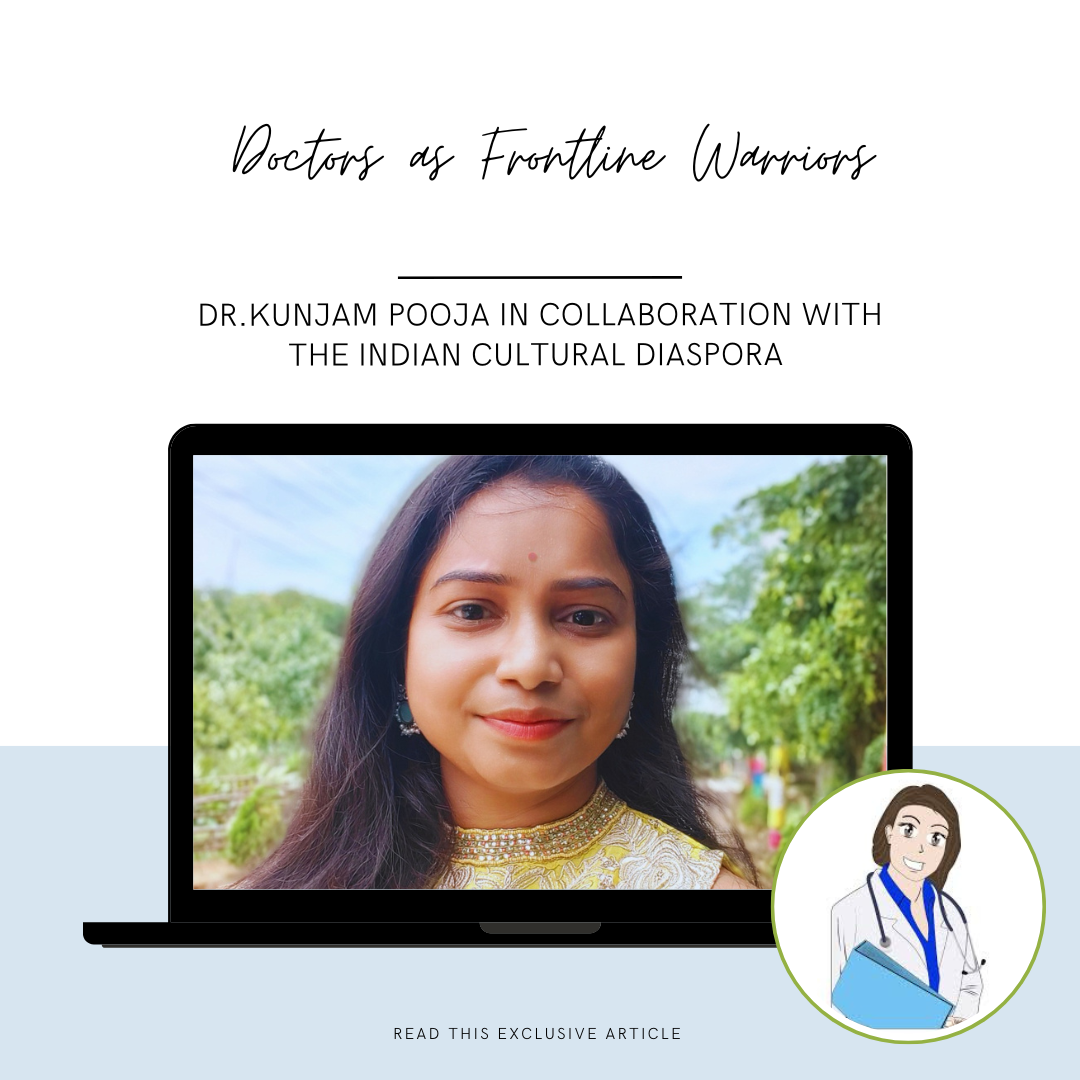
Building the Core Self: An Exclusive Interview with Dr. Kunjam Pooja, Civil Assistant Surgeon & Author
Dr. Kunjam Pooja is a Civil Assistant Surgeon serving at a government hospital in Telangana, where she has worked in the Nutritional Rehabilitation Centre (NRC) caring for undernourished children. Beyond clinical care, she writes on personal transformation and is the author of Art of Communication: 10 Keys to Change Your Life. Her public posts highlight a passion for holistic wellbeing alongside creative pursuits like yoga, dance, and writing—bringing a whole-person lens to health, relationships, and growth. The Literature TimesAmazonAmazonInstagram
1) The Core Self
Q: You emphasize the “Core Self.” How do you define it, and what first steps can someone take to build a resilient core identity?
Answer: The core self is the innate personality one develops over time, filled with values and ethics, along with the personality traits one aspires to possess in a desired field and the outcomes that field entails.
To build one’s core self, the steps that can be taken include,
Everyone has dreams and goals to fulfill at a point in life, and aspires to achieve great things. Each field has many eminent personalities to draw inspiration from, pushing one’s boundaries and expanding one’s potential. One can choose any of them, highlight their qualities or the personality traits that helped them to reach their level in their field of work and life, and work on them to build up such a core personality that eventually gets the results in the long run, which are fruitful for one’s efforts, which most call “Luck.”
2) Health
Q: From your NRC experience and holistic practices (yoga, meditation, journaling), what daily health rituals most effectively align mind and body for long-term wellbeing?
Answer: In light of my professional experiences and holistic practices, I have identified several daily rituals that effectively promote the alignment of mind and body for sustained wellbeing. Working in a department focused on children under five affords me the wonderful opportunity to engage with them regularly. Interacting with and nurturing young children is not only enjoyable but also instrumental in helping me maintain emotional balance and composure. Additionally, our supportive team dynamic, complemented by occasional celebrations, contributes positively to our work environment, which is essential for fostering productivity and morale. Regarding my holistic practices, my daily routine begins and ends with meditation, which serves as a crucial anchor for my day. I also incorporate gratitude journaling, affirmations, morning spiritual mantras, quality time with my five-year-old son, walking, and yoga into my routine. Each of these activities enhances my ability to remain present and focused on both my immediate tasks and long-term aspirations in a calm and flowing manner. I often notice individuals over the age of 70 who maintain impressive vitality and continue to achieve remarkable things, regardless of their age. I believe that their engagement in daily holistic rituals plays a significant role in sustaining their youthful energy and zest for life.
3) Relationships & Marriage
Q: What principles help partners nurture trust and emotional safety in relationships and marriage—especially when careers, family expectations, or distance add pressure?
Answer: From my perspective, marriage is a valuable institution that requires thoughtful nurturing from the very beginning when a couple first meets and throughout their journey in marriage. This foundation plays a crucial role in shaping future generations and influences how they are raised. I believe that adhering to certain core values is essential in marriage, such as openly discussing each other’s viewpoints on various aspects of life, including careers, values, expectations, family, friendships, education, children, finances, and cultural traditions.
These discussions should not be limited to the pre-marital stage; rather, they should continue as life unfolds and new experiences arise. Mutual love, respect, and a forgiving attitude are fundamental, along with a commitment to recognizing and appreciating each other’s strengths and interests. This approach fosters understanding, trust, and emotional fulfillment, which is particularly important in today’s fast-paced digital environment that can sometimes create distance and pressure.
Additionally, couples need to establish healthy boundaries by allowing space for each other’s personal ambitions and social connections. Achieving this balance can contribute significantly to harmony within the relationship. Engaging in shared activities, such as traveling and participating in various enjoyable experiences, can also help strengthen the bond between partners, ultimately benefiting the younger generation around them.
4) Career
Q: How can professionals stay purpose-driven in demanding fields like medicine while preventing burnout and staying connected to their “why”?
Answer: Entering the field of medicine is fundamentally a calling, with a clear and profound understanding of the responsibilities that it entails. While we occasionally receive recognition from higher authorities for our contributions, it is the heartfelt gratitude expressed by patients following their recovery that truly distinguishes our occupation.
During my internship, I had the opportunity to serve in the emergency department, where I encountered a patient in significant distress, unable to defecate and suffering from severe abdominal pain. In that moment, I took the initiative to prescribe a medication, aware of the urgency of the situation, even before a physician could arrive. This timely intervention led to a positive outcome, and I will never forget the couple’s emotional expression of gratitude, which deeply moved me.
Similarly, I had the privilege of assisting a patient who, overwhelmed by a severe stomachache, had contemplated self-harm. After effective treatment and support, he left the hospital with a renewed sense of hope and gratitude for the care he received.
Additionally, I recently learned about a young girl who was admitted years ago suffering from septicemia. Thanks to the dedicated efforts of the team, she has made a full recovery and is now thriving in school.
These experiences serve as powerful reminders of the purpose that drives professionals in the medical field, even amidst the challenges and expectations that come with our roles.
5) Finance & Time Management
Q: What mindset and practical habits do you recommend for building financial stability while managing time across work, family, and personal growth?
Answer: An abundant mindset is a valuable foundation for achieving financial stability. There are several effective practices that can contribute to financial security, including money mindset meditations, visualization techniques, affirmations, and gratitude journaling. Embracing a simple living approach, exploring various investment opportunities, and engaging in networking to share ideas and foster wealth are also beneficial. Additionally, being mindful of expenditures, creating a thoughtful budget, and developing skills to generate multiple income streams are essential habits in this journey. Together, these practices can help cultivate financial stability while allowing for a balanced approach to life’s various priorities.
6) Contributions, Networking & Community
Q: How do contribution and ethical networking expand opportunities—and what’s your advice for giving back without overextending oneself?
Answer: The practice of helping others reflects a mindset centered on abundance. When people offer assistance to those in need, they embody a spirit of generosity, and the universe tends to reciprocate this goodwill. This principle suggests that as like attracts like; therefore, an abundant mindset fosters further abundance, while a scarcity mindset tends to have the opposite effect.
Furthermore, engaging in ethical networking provides significant benefits, as it connects individuals from various fields to share knowledge and experiences, promoting mutual growth. These networking connections can greatly increase the likelihood of new opportunities arising.
From the perspective of Universal Consciousness, it is essential to recognize that everything is interconnected through energy. As a result, what one puts out into the world is often received back, frequently in greater amounts, when approached with an abundant mindset. This exchange can happen without overextending oneself, allowing individuals to respect personal boundaries while still making meaningful contributions.

7) Impact of Social Stigma
Q: Many face social stigma around career choices, marriage, or parenting. What inner strategies and communication tools help people stand firm against stigma?
Answer: Throughout the years, society has undergone numerous transformations; however, certain social stigmas continue to persist. These stigmas can limit individuals and their loved ones from fully embracing the opportunities that life offers, often in the name of cultural, traditional, or familial pride. These restrictions frequently arise from a lack of awareness and a fear of fulfilling societal expectations, or avoiding judgment and rejection.. As a result, they can impact critical areas such as career choices, marriage, and parenting, ultimately affecting mental, emotional, and spiritual well-being—not only for those directly affected but also for future generations if these cycles remain unaddressed.
As life progresses, individuals need to evolve as well, fostering new awareness and breaking free from outdated patterns. This evolution is crucial for personal growth and overall progress. Effective strategies for addressing and overcoming these stigmas include cultivating self-awareness, shifting thought patterns, and aligning one’s energy with a more empowering mindset. Surrounding oneself with like-minded individuals and engaging with growth-oriented literature can also be beneficial, while it may be necessary to limit connections that perpetuate social stigma.
When faced with unavoidable social interactions with individuals who hold these stigmas, it is important to approach the situation with confidence and resilience. Engaging in thoughtful and empathetic communication can help address any concerns or questions that arise. It is crucial to recognize that people perceive messages differently, and tailoring your communication style to accommodate these differences will foster mutual understanding and support.
8) Communication Skills
Q: Drawing from Art of Communication, what are two or three “keys” that immediately improve communication at home and at work?
Answer: The key concepts from my book “Art of Communication” that can immediately enhance communication at home and work are Mindfulness, Empathy, and Open-mindedness.
9) Parenting
Q: What core values and daily practices support conscious parenting—especially in building a child’s self-worth and emotional regulation?

Answer: Conscious parenting plays a crucial role in nurturing a child, particularly during their early developmental years. It significantly contributes to the establishment of their self-worth and emotional regulation, which can influence their lifelong experiences and growth. This approach serves as a foundational aspect of a child’s life and future.
Several core values and daily practices support conscious parenting. These include exercising patience when interacting with children, engaging in attentive listening to prioritize their expressions, and taking the time to spend with them despite busy schedules. Celebrating their small achievements and creating lasting memories together fosters a deep connection. Additionally, daily expressions of love, such as hugs, can provide comfort and help children develop resilience and balance.
Recognizing and valuing children’s individual activities and accomplishments is essential for cultivating their self-esteem and confidence. It is important to remember that each child is unique and should not be subjected to comparisons with others, which can lead to insecurities. Instead, it is the responsibility of parents to nurture and highlight their child’s distinctive qualities.
10) Healing, Inner Work, Growth & Travel
Q: How do you integrate inner work and healing into everyday life, and in what ways can travel catalyze perspective shifts and personal growth?
Answer: Inner work is something that is crucial for healing the emotional heartbreaks that are more due to different mindsets, expectations, and influencing attitudes. Self-reflection is the key to inner work and healing. It’s crucial to take a few minutes in solitude daily at the end of the day for personal reflection, which is beneficial not only to observe our mood and attitude of the day but also to correct and heal wherever necessary. This helps to build awareness about our own personality and the direction of our life, as we can notice our thought patterns in silence, which ultimately leads to Growth potential.
Travelling is another beneficial aspect of life where we come across different mindblowing destinations where one gets the opportunity of networking, taste different foods,mental-emotional-spiritual balance, got to learn new things and embrace them,differnt cultures and traditions, magical experiences and lot of perspective shifts by interacting with people from judgemental to embracing various shades and beauty of life, all together contribute to alot of growth by looking at life with ease and not take it too personally and harm self.
