
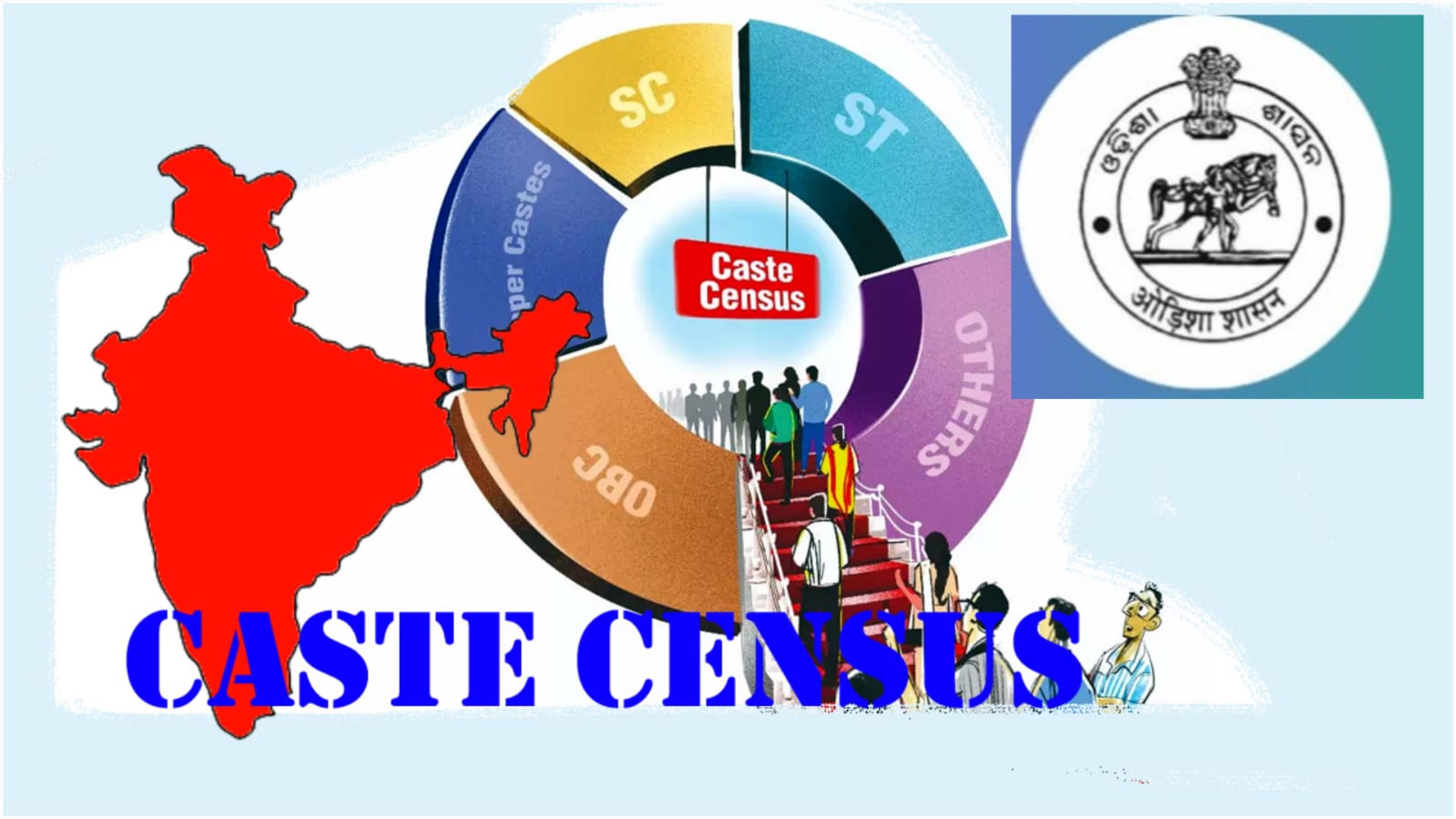
In a significant move, the Samajika Nyaya Abhijan (SNA), a forum comprising various political parties and social organizations in Odisha, has urged the Parliamentary Committee on Welfare of Other Backward Classes (OBCs) to support the inclusion of a caste-based census in the upcoming national census. This appeal is rooted in the stark reality that despite constituting 54% of Odisha’s population, the OBCs receive a mere 0% reservation in education.
The SNA’s plea to Ganesh Singh, Chairman of the Parliamentary Committee, emphasizes the imperative of accurate socio-economic data to inform policy making, ensure equitable resource distribution, and develop targeted welfare programs. A caste-based census would provide invaluable insights into the demographics and needs of various communities, enabling the government to craft more effective policies and interventions.
In Odisha, the call for a caste census has gained momentum, with several organizations, including the opposition BJD, joining the chorus. A BJD delegation recently met with the parliamentary committee, highlighting the data gaps that hinder targeted policies and advocating for the inclusion of Socially and Educationally Backward Classes (SEBCs) in the national OBC list.
The SNA’s advocacy for a national caste census is a testament to the growing recognition of the need for more nuanced and informed policymaking. By acknowledging the complexities of India’s social landscape and seeking to address the historical injustices faced by marginalized communities, the SNA is helping to pave the way for a more equitable and just society.
As India prepares to undertake its next national census, the inclusion of a caste-based component would be a significant step forward in the country’s ongoing journey towards social justice. By providing a more accurate and comprehensive picture of India’s demographic landscape, a caste census would enable policymakers to craft more targeted and effective interventions, ultimately contributing to the empowerment of marginalized communities and the promotion of greater social equality.
The benefits of a caste census extend far beyond the realm of policymaking. By acknowledging and understanding the complexities of India’s social landscape, we can work towards creating a more inclusive and equitable society. A caste census would provide a vital tool for social scientists, researchers, and policymakers, enabling them to better comprehend the nuances of India’s social dynamics and develop more effective strategies for addressing social and economic inequalities.
Furthermore, a caste census would also help to address the issue of data gaps, which has long hindered the development of targeted policies and interventions. By providing accurate and comprehensive data on India’s demographic landscape, a caste census would enable policymakers to develop more effective strategies for addressing social and economic inequalities, ultimately contributing to the empowerment of marginalized communities and the promotion of greater social equality.
In addition, a caste census would also help to promote greater transparency and accountability in governance. By providing a more accurate and comprehensive picture of India’s demographic landscape, a caste census would enable policymakers to develop more effective strategies for addressing social and economic inequalities, ultimately contributing to the empowerment of marginalized communities and the promotion of greater social equality.
As the SNA continues to advocate for a national caste census, it is essential that we recognize the significance of this initiative. A caste census would be a vital step towards creating a more inclusive and equitable society, and it is imperative that we support this initiative in our pursuit of social justice.
In conclusion, the SNA’s advocacy for a national caste census is a timely and important reminder of the need for more nuanced and informed policymaking in India. As the country continues to grapple with the complexities of its social landscape, the inclusion of a caste-based census would be a significant step forward in the pursuit of social justice and equality. We must recognize the significance of this initiative and support it in our pursuit of creating a more inclusive and equitable society.
