
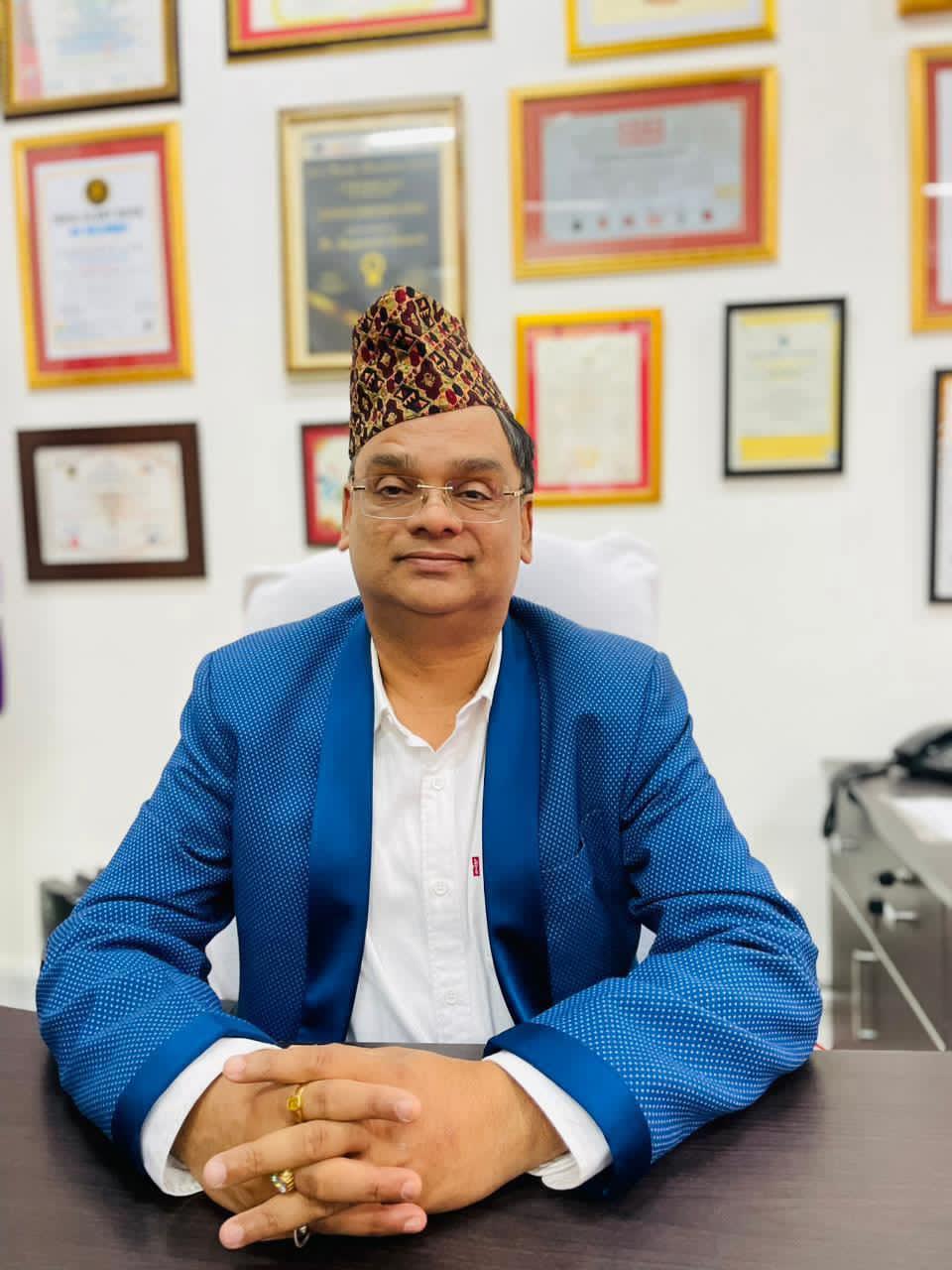
 By Dr. Jagannath Patnaik
Vice Chancellor, ICFAI University, Sikkim
By Dr. Jagannath Patnaik
Vice Chancellor, ICFAI University, Sikkim
Abstract
India’s higher education system has expanded dramatically, with over 43 million students enrolled across approximately 58,000 institutions and a growing cadre of faculty, many holding PhDs. Yet, persistent challenges in teaching quality, student outcomes, and graduate employability reveal a fundamental mismatch: we have subject experts who occasionally teach, but far too few trained, inspired educators who transform lives. This article, drawing on recent data, policy analyses, and institutional insights, argues that the core issue is not a sheer shortage of faculty but a systemic deprioritization of pedagogical excellence. It examines the data, root causes, impacts, and actionable pathways forward, aligned with the National Education Policy (NEP) 2020.01
The Data Doesn’t Lie: Quantity Without Quality
Recent reports paint a nuanced picture. In top Indian institutions, 60-90% of faculty hold PhDs, with overall PhD-qualified faculty in ranked institutions approaching 60% in 2025. Research publications have tripled in recent years.48 However, this academic credentialing coexists with alarming gaps:
• Faculty Vacancies: Overall vacancies in top institutions hover around 28-29%, escalating to 56% at the Professor level and 38% for Associate Professors in central universities (as of late 2024/early 2025 data). State public universities (SPUs) report over 40% vacancies.01
• Student-Teacher Ratio (STR): Public colleges often face ratios of 47:1 or worse (national averages around 24-30:1 against UGC ideals of 15-20:1). In some states, it exceeds 30:1 or even 50:1 in extreme cases.2
• Practical Competence: 35-40% of teacher trainees reportedly lack practical teaching skills (TOI, 2024 references in infographics and related analyses).
• PhD Pipeline: India awards around 25,000-40,000 PhDs annually, but quality varies widely, and many graduates prefer industry or non-academic paths due to better pay and conditions.50
These figures confirm the infographic’s thesis: We produce researchers and subject specialists, but the classroom experience often falls short of inspiration and transformation. A PhD equips one for research depth; it does not automatically confer teaching mastery.39
What We Have vs. What We Need
Current Reality (Subject Experts Who Teach Sometimes):
• Faculty are evaluated primarily on publications, citations, and h-index (academic scores).
• Heavy administrative and compliance burdens leave teaching as a secondary duty.
• Career progression rewards research output over teaching impact.
• Overloaded schedules and ad-hoc/contractual hiring (common in many institutions) undermine continuity and commitment.
Desired Shift (Teachers Who Inspire & Transform):
• Mandatory and ongoing pedagogical training.
• Evaluation centered on student learning outcomes, engagement, critical thinking, and holistic development.
• Reasonable workloads, mentorship support, and time for reflective practice.
• Teaching recognized as a core professional identity, with career growth equally tied to excellence in the classroom as in the lab.58
A powerful truth: “A PhD doesn’t make you a teacher. Training, practice, and purpose do.”
Why This Happens: Structural and Policy Roots
Several interconnected factors perpetuate the teaching deficit:
1 No Mandatory Pedagogical Training: Unlike school-level teaching (B.Ed. requirements), higher education faculty appointments historically prioritized subject expertise. UGC’s Malaviya Mission Teacher Training Programme (MMTTP) and former HRDCs are steps forward, but coverage remains incomplete for the estimated 1.5 million faculty.68
2 UGC/Regulatory Incentives Favor Research: Promotion metrics (e.g., API scores) and institutional rankings emphasize publications. Teaching quality is rarely rigorously measured or rewarded.38
3 Faculty Shortages and Workloads: Vacancies lead to overburdened staff, reliance on guest/contract faculty, and burnout. Brain drain to industry and abroad exacerbates this.3
4 Ad-Hoc Hiring and Contractualization: Many positions lack job security, reducing investment in long-term pedagogical development.
5 Limited Measurement of Teaching Impact: Student feedback exists but is often perfunctory; there are few robust mechanisms linking teaching excellence to recognition or advancement.
NEP 2020 explicitly addresses this in Section 13 (Motivated, Energized and Capable Faculty), calling for continuous professional development, a shift to multidisciplinary and student-centric approaches, and integration of Indian Knowledge Systems with modern pedagogy.58
Impacts on Students, Institutions, and Nation
Poor teaching quality manifests in:
• Rote learning over critical thinking and problem-solving.
• Graduates who are knowledgeable but not industry-ready or innovative.
• Weak mentorship, affecting student well-being and research pipelines.
• India’s suboptimal global higher education standing despite demographic dividend.
If unaddressed, this hampers NEP’s 50% GER target by 2035 and India’s ambition as a “Vishwaguru” and knowledge economy.60
Pathways Forward: Fixing the Teaching Problem
Immediate and Medium-Term Actions:
• Mandate and Scale Pedagogical Training: Make induction programs (like MMTTP’s Faculty Induction Programme) compulsory, with refresher courses emphasizing active learning, technology integration, assessment for learning, and inclusive pedagogies. Target full coverage within 2-3 years.71
• Dual-Track or Balanced Incentives: Introduce parallel career tracks for teaching-focused and research-focused faculty, or hybrid models with equal weightage. Reward outstanding teachers via awards, reduced admin loads, and promotions.39
• Professor of Practice and Industry Linkages: Leverage UGC guidelines to bring practitioners into classrooms for experiential learning.44
• Technology and Workload Management: Use AI/EdTech for routine tasks, enabling faculty to focus on high-impact teaching and mentorship. Fill vacancies aggressively through transparent recruitment.
• Robust Evaluation: Implement multi-source feedback (student, peer, self) tied to learning outcomes. Develop National Professional Standards for Higher Education Teachers.
• Institutional Reforms: Encourage multidisciplinary setups (NEP), reduce regulatory burden on good institutions, and foster autonomy with accountability.
Long-Term Vision:
• Embed teacher education in multidisciplinary universities.
• Invest in continuous professional development (CPD) as a lifelong journey.
• Cultivate a culture where “Qualified minds build papers. Great teachers build futures.”
At ICFAI University Sikkim, we have prioritized faculty development, industry integration, and student-centric outcomes, witnessing tangible improvements in engagement and placements. Scalable models like this, combined with policy push, can transform the ecosystem.

India does not lack talent or ambition. What it needs is a paradigm shift: from credentialed experts delivering content to skilled, passionate educators nurturing minds. By addressing the teaching problem head-on—through training, incentives, measurement, and cultural change—we can unlock the full potential of our youth, strengthen research-society linkages, and position India as a global higher education powerhouse.
The time for incremental fixes is over. We must build, support, and reward great teachers. The futures of millions depend on it.
