
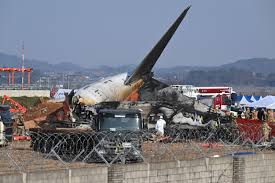
Global aviation is witnessing an alarming increase in flight crashes, as 2024 marks a year of heightened concern within the industry. While aviation has long been regarded as one of the safest modes of transport, recent months have raised serious questions about the underlying factors contributing to this troubling trend.
Record Number of Accidents
Aviation safety experts have expressed growing concern over the recent spike in aircraft accidents. As of December 2024, global flight crashes have risen by 25% compared to the same period in 2023. This surge has affected airlines across continents, with a particular increase in smaller regional carriers, although major airlines have also experienced several high-profile incidents. The International Air Transport Association (IATA) has confirmed that 2024 is on track to exceed the historical average of aviation accidents per year, despite decades of steady decline in crash rates.
Key Factors Behind the Surge
Several key factors have been identified as contributing to the uptick in flight crashes. These range from evolving technological challenges to human error, as well as changing environmental conditions. Below are the primary reasons experts believe are driving the increase:
1. Pilot Shortages and Training Gaps
One of the most significant contributing factors is the ongoing global shortage of qualified pilots. The COVID-19 pandemic exacerbated this issue, with many pilots retiring or leaving the industry, and training programs slowing down. Many regional airlines, in particular, are struggling to recruit and retain skilled pilots. Experts warn that this shortage has led to compromised training quality, with less experienced pilots flying more complex routes, increasing the likelihood of errors.
2. Aging Aircraft Fleet
Many airlines have struggled with fleet renewal, particularly in the wake of the pandemic’s financial impact. A significant proportion of commercial aircraft are nearing or surpassing their expected service life. Older aircraft, despite regular maintenance, are more prone to mechanical failures, which can contribute to accidents. The lack of investment in new technology, especially among budget carriers, has led to concerns about the safety of aging fleets.
3. Increased Air Traffic and Congestion
The resurgence in air travel, particularly in the last year, has caused a noticeable increase in air traffic, leading to congested airspaces and higher chances of accidents, especially during takeoff and landing. Airports worldwide are facing significant bottlenecks, with delays and short turnaround times becoming commonplace. This congestion, combined with reduced air traffic control staff in some regions, has led to errors in navigation and communication between pilots and ground control.
4. Technological Failures and Cybersecurity Threats
Despite technological advancements, not all innovations in aviation have been flawless. Newer aircraft systems, such as automated flight controls and AI-based navigation, while designed to improve safety, have occasionally malfunctioned or acted unpredictably. Additionally, cybersecurity experts have raised alarms about the increasing vulnerability of aviation systems to cyberattacks. Several incidents this year involved suspicious disruptions in navigational systems, pointing to potential risks in the aviation infrastructure.
5. Adverse Weather Events
Climate change and its associated impacts on weather patterns are becoming more apparent in aviation. Extreme weather events—such as hurricanes, intense thunderstorms, and unanticipated changes in wind patterns—are affecting flight safety. This year, several crashes have been linked to poor visibility, turbulence, and high winds, particularly in regions where airports are not adequately equipped to handle such conditions.
6. Human Error and Fatigue
Despite advancements in technology, human error continues to be one of the leading causes of aviation accidents. Pilots, crew, and ground personnel are working under increasing pressure to meet tight schedules and operational demands. Fatigue remains a critical issue, with reports indicating that longer working hours, high stress, and insufficient rest are taking a toll on flight crews. In some cases, these factors have directly contributed to lapses in judgment during critical phases of flight.
Industry Response and Measures
In light of the growing concerns, aviation authorities and industry leaders are ramping up efforts to address these challenges. Key measures being discussed and implemented include:
- Enhanced Training Programs: Airlines are investing in more robust pilot training programs, with a focus on simulator-based training to prepare for emergency situations and complex flight operations.
- Aircraft Modernization: Efforts are underway to phase out older aircraft and replace them with newer, more efficient models that come equipped with state-of-the-art safety features.
- Technological Oversight: Aviation regulators are increasing scrutiny of new technology to ensure systems such as AI and autopilot are thoroughly tested before being implemented in commercial aircraft.
- Stronger Safety Regulations: Governments and aviation bodies are introducing stricter safety regulations, including more rigorous maintenance schedules and enhanced monitoring of weather patterns that could impact flight safety.
- Fatigue Management Policies: The implementation of stronger pilot fatigue management policies is being prioritized, with airlines adopting new guidelines on rest periods and work-life balance for flight crews.
The aviation industry faces a critical juncture as it works to reverse the worrying trend of increasing flight crashes. While the advancements in safety technology, improved training, and stronger regulations may help mitigate risks in the future, the industry must take swift and comprehensive action to address the root causes. Global regulators and airlines alike must collaborate to ensure that air travel remains as safe as possible for passengers worldwide.
As the year ends, the aviation community is under intense scrutiny. All eyes will be on 2025 to see whether these proactive measures are enough to stem the rise in flight accidents and restore confidence in an industry that has long been seen as a beacon of safety.
