Subhechcha Ganguly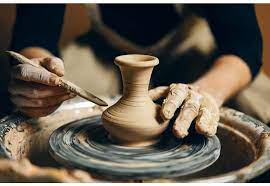
In a world increasingly driven by mass production and digital interfaces, the ancient arts of pottery and craftsmanship in India shine as beacons of cultural heritage and artistic excellence. These time-honored traditions, deeply embedded in the Indian way of life, are not merely relics of the past but living, evolving practices that continue to shape the nation’s identity and economy.
A Rich Tapestry of Tradition
Pottery and craftsmanship in India boast a lineage that stretches back thousands of years. From the intricate terracotta figurines of the Indus Valley Civilization to the elaborate ceramics of the Mughal era, the art forms reflect a continuum of cultural evolution. Each region of India presents its unique styles, techniques, and motifs—ranging from the vibrant blue pottery of Jaipur to the elegant black pottery of Manipur.
Cultural Significance and Revival Efforts
In recent years, there has been a resurgence of interest in traditional pottery and crafts, driven by both a renewed appreciation for handmade goods and a concerted effort to preserve these practices. Government initiatives, such as the ‘Kumbh Mela’ and ‘Craftsman of India’ campaigns, alongside numerous non-profit organizations, are working tirelessly to promote and sustain these traditional arts.
Craftsmen, often working within family-run workshops or cooperatives, continue to create exquisite pieces that tell stories of their heritage. The revival of these traditional arts is not merely about maintaining aesthetic value but is also a critical part of sustaining local economies. The pottery and crafts sector provides livelihoods for millions of artisans across India, and their work is integral to various cultural festivals and rituals that keep the social fabric vibrant.
Economic Impact and Global Appeal
The economic impact of India’s pottery and craftsmanship extends far beyond local communities. Export markets are thriving as international consumers increasingly seek out unique, handcrafted goods that stand in stark contrast to the mass-produced items dominating global shelves. The “Made in India” mark is becoming synonymous with quality and authenticity, driving up demand and creating valuable trade opportunities.
Moreover, the global appreciation for Indian craftsmanship is fostering cross-cultural exchanges and collaborations. Indian artisans are participating in international exhibitions, workshops, and trade fairs, which not only showcase their skills but also bring Indian heritage to a broader audience. This global platform amplifies the economic potential of these traditional arts while elevating India’s status in the global creative economy.
Challenges and the Path Forward
Despite its growing prominence, the pottery and craftsmanship sector faces significant challenges. Artisans often grapple with issues such as access to raw materials, financial instability, and the effects of climate change on traditional practices. Furthermore, the influx of cheaper, machine-made alternatives threatens the survival of some traditional crafts.
Addressing these challenges requires a multifaceted approach. Investment in skill development, access to modern marketing channels, and government support for sustainability initiatives are crucial for ensuring that these crafts continue to thrive. By fostering an environment that values and supports traditional arts, India can safeguard its cultural heritage while bolstering its economic resilience.
Conclusion
The importance of pottery and craftsmanship in India transcends its artistic value, encompassing economic, cultural, and social dimensions. As India continues to navigate the complexities of modernity, the preservation and promotion of these traditional arts will play a pivotal role in maintaining the nation’s rich cultural legacy. In celebrating and supporting these ancient practices, India not only honors its past but also paves the way for a vibrant, creative future.
Stay tuned for more updates on India’s cultural heritage and the stories of the artisans who keep its traditions alive.
- Jainpur district court issues notice to Mehbooba Mufti over insulting remark to Indian tricolour
- Amit Shah Inaugurates 4.18 KM Long Elevated Corridor In Ahmedabad
- Rourkela Steel Plant Manager Dies Under Suspicious Circumstances
- Karnataka Milk Federation contacts TTD and offers to participate in laddu prasadam