
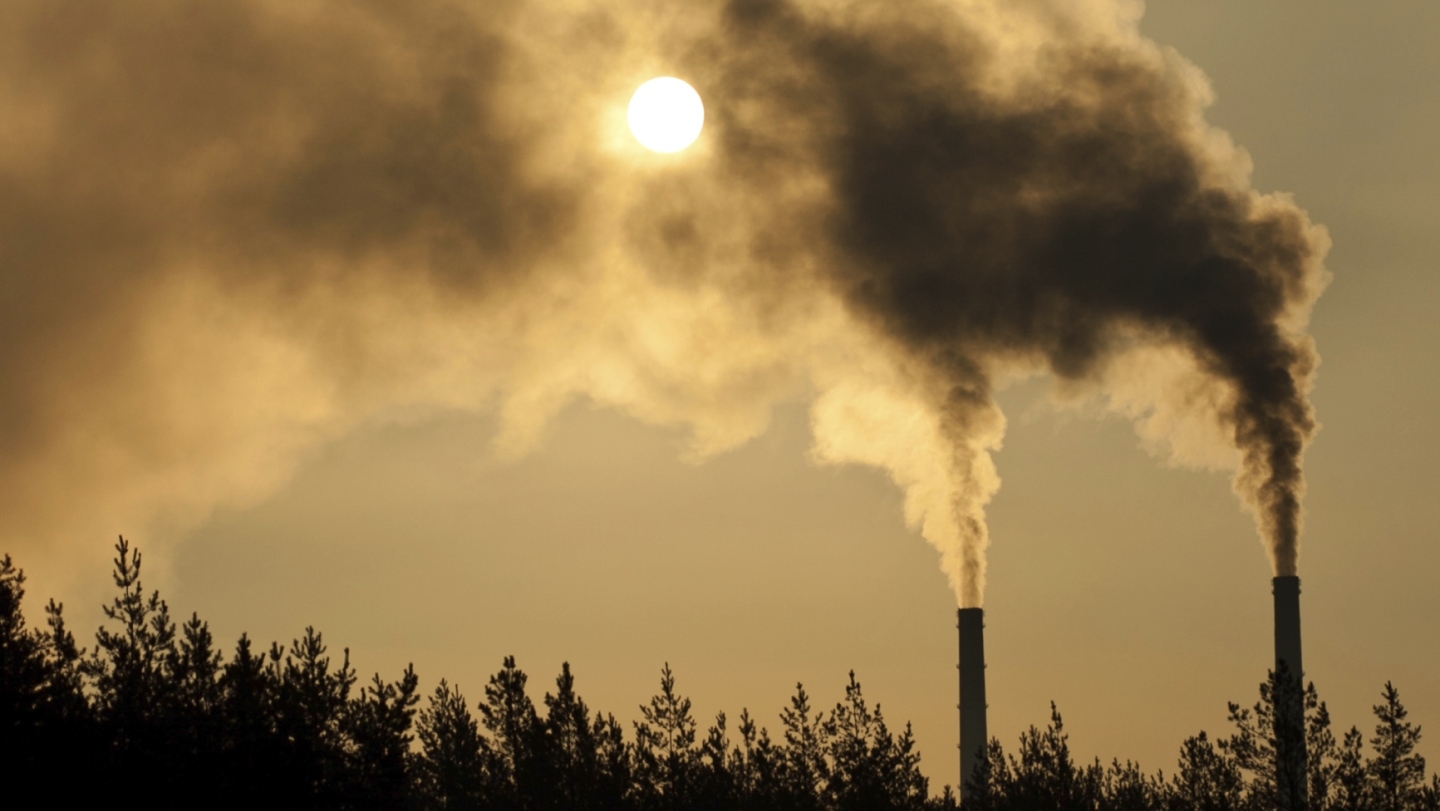
Pollution levels in India have reached alarming heights this year, with experts warning of catastrophic impacts on both public health and the environment. As the country grapples with industrialization, vehicular emissions, and stubble burning, air quality in major cities has deteriorated to dangerously high levels, surpassing the limits recommended by the World Health Organization (WHO).
Unprecedented Air Quality Deterioration
According to recent data from the Central Pollution Control Board (CPCB), cities like New Delhi, Mumbai, Kolkata, and Bengaluru are experiencing air quality index (AQI) readings far exceeding 400— a level categorized as “hazardous.” In Delhi, for instance, the air quality on some days has been over 500, a severe threat to public health. The city’s residents, especially children and the elderly, are experiencing an uptick in respiratory diseases such as asthma, bronchitis, and cardiovascular conditions.
“The pollution levels in Delhi have reached new extremes,” says Dr. Pradeep Kumar, a respiratory specialist. “Many patients are arriving with worsening lung conditions, and we are seeing more cases of young children suffering from chronic respiratory problems.”
Causes of the Pollution Surge
Experts attribute the worsening pollution to a combination of factors. One of the major contributors is vehicular emissions, as the number of cars on the road continues to increase. According to a recent report, India has more than 300 million registered vehicles, with a significant proportion being older models that emit high levels of particulate matter (PM).
Agricultural stubble burning, particularly in states like Punjab, Haryana, and Uttar Pradesh, has also been a key contributor. Every year, farmers burn crop residue to prepare fields for the next harvest, releasing massive amounts of smoke into the atmosphere, which significantly worsens air quality.
Additionally, industrial emissions from power plants and factories, especially in industrial hubs such as Ghaziabad, Ludhiana, and Surat, continue to spew pollutants into the air at alarming rates. The government’s limited enforcement of environmental regulations has allowed these activities to persist unchecked.
Impact on Public Health
The health consequences of India’s rising pollution are severe. According to the Lancet report, air pollution is responsible for over 1.7 million deaths annually in India, making it one of the leading causes of death in the country. The toll is particularly heavy on vulnerable populations like children, the elderly, and those with pre-existing health conditions.
The World Health Organization (WHO) has warned that India’s pollution crisis could result in an epidemic of respiratory and cardiovascular diseases, with the long-term effects potentially leading to millions of premature deaths in the coming decades. Additionally, studies show that air pollution is a major factor contributing to cognitive decline and mental health disorders, posing an emerging threat to India’s younger population.
Government Response and Public Outcry
In response to growing concerns, the Indian government has introduced several measures, such as the Graded Response Action Plan (GRAP), aimed at controlling air pollution in major cities. However, critics argue that these measures have been insufficient and poorly implemented. Despite temporary restrictions on vehicle emissions and industrial activity, enforcement remains weak, and public transportation infrastructure, which could offer a cleaner alternative, remains underdeveloped.
Environmental groups and citizens alike are calling for more stringent action. “The government needs to invest heavily in sustainable energy solutions, such as solar and wind, and develop policies that limit the use of coal and diesel,” says Rina Mehta, a leading environmental activist. “We also need better waste management systems and stricter monitoring of industrial emissions.”
Future Outlook
Looking forward, India’s pollution crisis seems set to worsen unless more decisive steps are taken. Climate change is exacerbating the problem, with rising temperatures leading to more severe and prolonged heatwaves, which in turn increase levels of ground-level ozone, a harmful air pollutant.
Environmentalists are urging for an overhaul of India’s urban development plans to prioritize clean air and sustainable energy, including the adoption of electric vehicles, stricter emission standards, and the rapid scaling of renewable energy sources.
While the government’s recent steps to address pollution are commendable, experts believe that without a large-scale, integrated approach involving government, industry, and the public, India’s pollution crisis may become an insurmountable challenge.
As the country races against time, the people of India are facing a growing public health emergency, one that will require immediate, bold actions to reverse its devastating effects.
India stands at a crossroads. The fight against pollution is no longer a choice but an urgent necessity. The question remains whether the government and citizens will rise to the occasion before the environmental and health toll becomes irreversible.
