Subhechcha Ganguly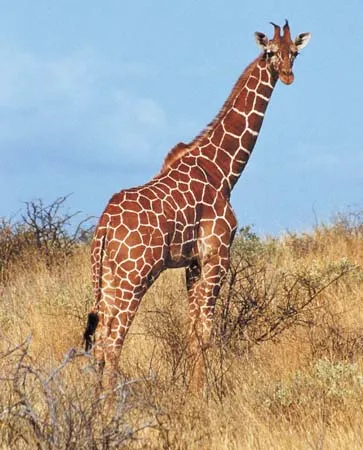
In a significant move towards giraffe conservation, the U.S. Fish and Wildlife Service has announced a proposal to extend federal protections to several giraffe species for the first time under the Endangered Species Act. The proposed changes aim to classify certain giraffe subspecies as “endangered” or “threatened” due to a dramatic decline in their populations.
The West African, Kordofan, and Nubian giraffes are among the subspecies proposed for “endangered” status, while the reticulated and Masai giraffes are recommended for “threatened” status. These giraffes have seen their populations drop by 77% since 1985, with numbers shrinking from over 25,000 to just under 6,000. The primary threats to these majestic creatures include habitat loss, poaching, urban expansion, and droughts intensified by climate change.
Martha Williams, the Director of the U.S. Fish and Wildlife Service, emphasized that federal protections would help safeguard giraffes, promote biodiversity, combat wildlife trafficking, and foster sustainable economic practices. “This action underscores our commitment to giraffe conservation and ensures that the United States plays no part in their decline,” Williams stated.
The proposal marks a crucial step in giraffe conservation efforts, as these iconic animals face unprecedented challenges to their survival. The U.S. Fish and Wildlife Service’s proposed designation could provide a critical framework to protect giraffes and their habitats for future generations.