
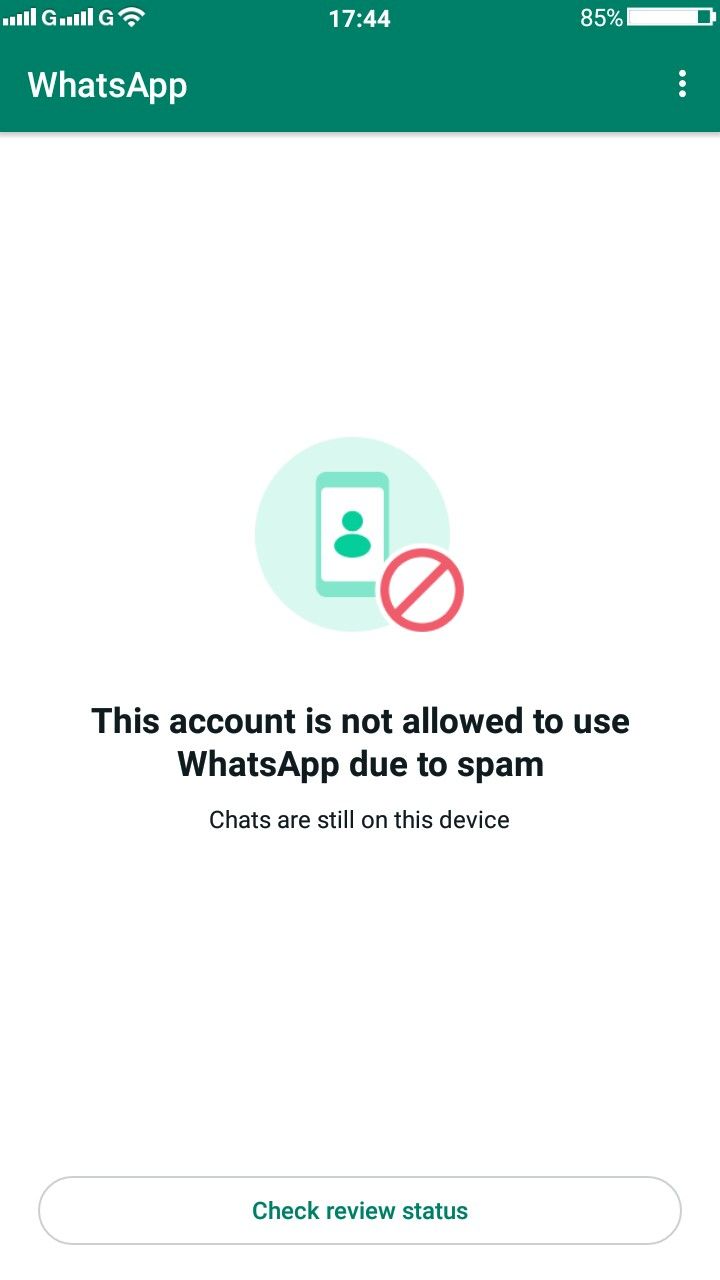
WhatsApp has banned nearly 9,400 accounts believed to be connected to organised “digital arrest” scams, in which fraudsters impersonate police officers, investigative agencies, or other government officials to extort money from unsuspecting people. The Union government shared this information with the Supreme Court during ongoing hearings on the alarming rise of cyber fraud in India.
These scams have become a growing national concern, with victims reportedly losing large amounts of money after being manipulated through fear and intimidation. In many cases, scammers contact individuals through calls or messages, falsely claiming that they are involved in criminal cases such as money laundering, parcel smuggling, or financial misconduct. Victims are then threatened with arrest unless they transfer money immediately. Taking serious note of the issue, the Supreme Court initiated proceedings on its own and has been closely examining the matter. The Court has already directed institutions such as the Reserve Bank of India (RBI) and the Department of Telecommunications (DoT) to work together on a framework that could help compensate victims who have suffered financial losses. Attorney General for India R. Venkatramani, while presenting a status report before the Court, said that telecom operators, digital platforms, and financial regulators have begun coordinated efforts to curb such crimes. These measures include faster blocking of suspicious phone numbers, stronger verification systems, and improved security mechanisms across digital platforms, including WhatsApp.
According to the government, WhatsApp launched a detailed investigation in January 2026 after concerns were raised by Indian authorities. What began as an inquiry into a small number of reported accounts soon expanded into a much wider probe that uncovered organised scam networks. As a result, thousands of linked accounts were identified and removed. Officials have also indicated that many of these scam operations targeting Indian users are believed to originate from centres in Southeast Asia, particularly Cambodia. These groups often function through clusters of fake accounts, recycled media, and coordinated behaviour designed to appear credible and create panic among victims. Meanwhile, the Central Bureau of Investigation (CBI) is already conducting a nationwide investigation into digital arrest scams, several of which have caused losses worth crores of rupees.
The issue highlights a larger challenge in the digital age: technology has made communication easier, but it has also given criminals new tools to exploit trust. While the banning of fraudulent accounts is an important step, long-term protection will require stronger enforcement, quicker complaint systems, and greater public awareness.

Ultimately, citizens must remain cautious. No legitimate authority conducts arrests through WhatsApp calls or demands money to “settle” legal matters. In an era where fraud often arrives through a notification, awareness may be the strongest defence.
