
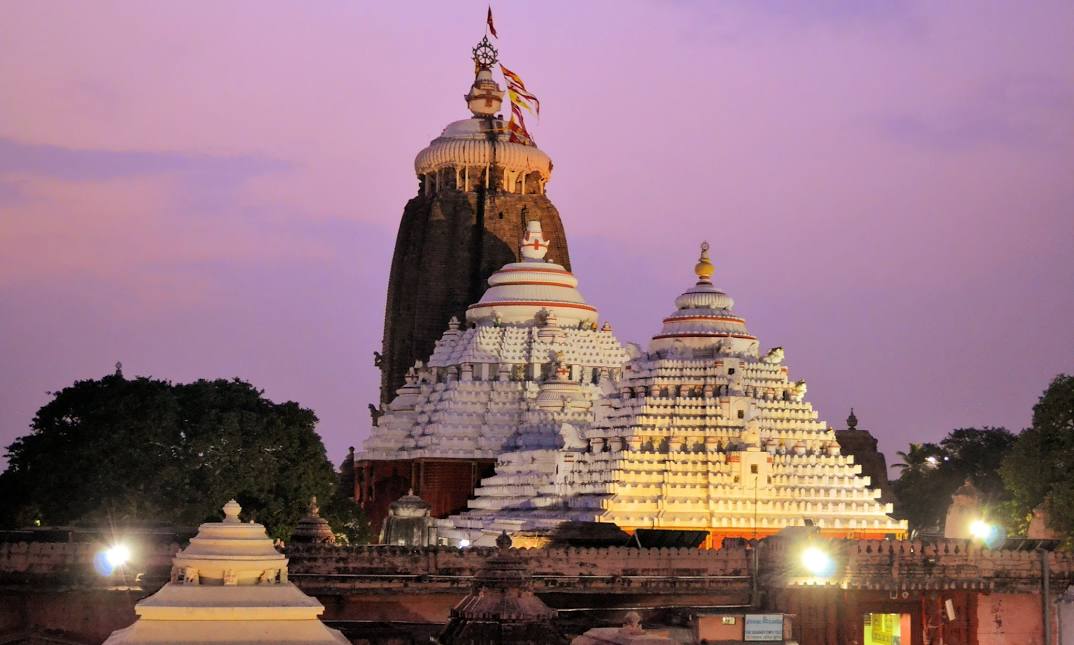
On January 1st, 2024, the sacred Shree Jagannath Temple in Puri, Odisha, India, implemented a mandatory dress code for devotees. This new rule prohibits entry to anyone wearing “half-pants, shorts, ripped jeans, skirts, and sleeveless dresses.” The decision has sparked debate, raising questions about religious practices, cultural sensitivity, and individual autonomy.
Tradition and Respect
Supporters of the dress code argue that it upholds the holiness and decorum of the temple. They believe that dressing decently demonstrates respect for Lord Jagannath and the temple’s rich traditions. Lord Jagannath, considered an incarnation of Vishnu, is worshipped with great respect by Hindus across India. The temple itself is a UNESCO World Heritage Site, renowned for its detailed architecture and annual Rath Yatra festival.
Supporters also highlight the temple’s history of dress codes. For centuries, devotees have put on traditional attire like dhotis and sarees when visiting the temple.
Inclusivity and Individual Choice
Critics of the dress code, however, raise concerns about inclusivity and individual freedom. They argue that the ban on certain clothing items discriminates against people who prefer Western styles or come from cultures with different dress norms. They point out that ripped jeans or skirts do not signify disrespect, and that judging individuals based on their attire is unfair.
Critics argue that the dress code could turn away potential visitors and hinder tourism. India’s rich tapestry of cultures and traditions thrives on diversity and acceptance. Imposing a singular dress code, they argue, goes against this spirit of inclusivity.
Finding a Balance
The debate surrounding the Jagannath Temple’s dress code highlights the complex intersection of religion, culture, and individual freedom. Finding a solution that respects both tradition and individual choice is hard.
Defining “decent” attire, instead of an outright ban on certain items, the temple could provide clearer guidelines on what constitutes “decent” clothing. This could involve focusing on covering specific body parts while allowing for a wider range of styles.
Awareness and education, Temple authorities could launch informative campaigns to educate visitors about the significance of dressing modestly while respecting individual preferences.
Alternative options, providing options for visitors who are not carrying “appropriate” attire, such as renting dhotis or sarees at the temple premises, could foster inclusivity without compromising tradition.
The Jagannath Temple’s dress code debate underscores the need for open dialogue and mutual respect. Finding common ground through understanding and empathy is key to ensuring that the temple remains a welcoming space for all, regardless of their attire.
Beyond Puri
The Puri temple’s dress code is not an isolated incident. Similar debates have erupted in recent years surrounding dress codes at other religious sites in India and around the world. The Tirupati Balaji Temple in Andhra Pradesh, for example, also has a dress code for devotees. In Europe, controversies have arisen regarding headscarves and burkinis at places of worship and public spaces.
These debates highlight the growing tension between religious practices and individual rights in a globalized world. Finding ways to navigate these tensions while respecting both tradition and diversity is a challenge that societies around the world will need to struggle with in the years to come.
By promoting open dialogue, promoting inclusivity, and finding creative solutions, we can ensure that our sacred spaces remain welcoming and meaningful for all, regardless of their background or attire.
