

How often have you heard that stress management is essential to overall health? Reducing stress can be a daunting task because it has become such a trendy term in wellness. However, stress isn’t inherently bad. According to study, some may even be beneficial to you, with possible advantages including improved brain function and healthier aging.
Some people have developed an excessive fear of stress in recent decades, believing it to be the worst thing that could ever happen to them. However, “the story is much more complex, and stress is an essential, necessary response.”
Defining Stress
Firstly, it’s widespread: studies indicate that individuals experience some level of stress on up to 90% of their days. However, what exactly occurs within your body when confronted with familial conflicts or looming work deadlines? In moments of heightened importance, your brain signals the adrenal glands to release hormones like adrenaline, triggering physiological responses across the body, resulting in common symptoms such as sweaty palms, rapid breathing, and a racing heart during periods of pressure. Additionally, the body releases oxytocin, often referred to as the “bonding hormone,” in response to stress.
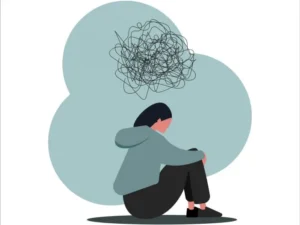
How you deal with stress
The level of pressure you face isn’t the sole determinant of your well-being; it’s also about how you handle it. Research indicates that individuals who perceive difficult experiences as opportunities for growth tend to fare better during tough times compared to those who view stressors purely negatively.
However, it’s important, and even beneficial, to feel somewhat unsettled by life’s unexpected challenges. According to a study, there exists a “Goldilocks zone” for emotional responses to stress. Those who exhibit either excessively strong or exceedingly weak reactions to difficult situations are more susceptible to poor health and well-being. People who fall in the middle, displaying moderate responses, typically enjoy better health outcomes.

Emotions serve the crucial purpose of signaling us to aspects of our environment so we can address them effectively. Ignoring emotions entirely is akin to disregarding a leaky faucet in your bathroom. Rush emphasizes that engaging in mindfulness activities such as yoga and meditation enables individuals to develop a harmonious response to stress, avoiding both excessive reaction and complete withdrawal. Mindfulness involves recognizing negative emotions instead of disregarding them, allowing for their effective management through healthier strategies.
