Subhechcha Ganguly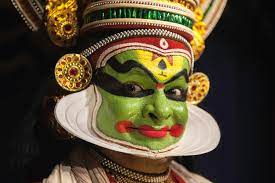
In the vibrant cultural landscape of Kerala, India, Kathakali stands as a beacon of artistic expression, blending storytelling, dance, music, and intricate costume design into a mesmerizing spectacle. Rooted in ancient Indian traditions, Kathakali has evolved over centuries to become one of the most revered classical dance forms globally. Let’s delve into the rich tapestry of Kathakali, its history, elements, and enduring allure.
Origin and History:
Kathakali traces its origins to the 17th century in the southern Indian state of Kerala. Derived from the word “Katha” (story) and “Kali” (performance), Kathakali primarily evolved as a form of visual storytelling, often depicting scenes from the Indian epics Ramayana and Mahabharata, as well as other mythological tales. Initially, Kathakali was performed exclusively by male artists, with elaborate makeup, costumes, and stylized movements distinguishing its aesthetic.
Elements of Kathakali:
1. Expressionistic Makeup: One of the most striking features of Kathakali is its elaborate makeup, known as “Chutti,” which transforms the performers into characters ranging from gods and demons to noble heroes and villainous beings. The intricate facial designs and vibrant colors convey emotions and character traits, allowing the audience to interpret the narrative through visual cues.
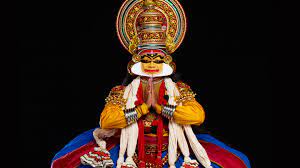
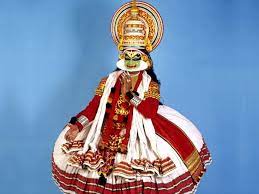
2. Costume and Attire: Kathakali costumes are opulent and elaborate, featuring ornate headdresses, billowing skirts, and intricately embroidered fabrics. Each costume is tailored to represent the character’s social status, personality, and role in the story, adding depth and authenticity to the performance.
3. Mudras and Gestures: Kathakali employs a sophisticated system of hand gestures, known as “Mudras,” to convey emotions, actions, and dialogue without words. These gestures, combined with facial expressions and body movements, enable performers to communicate complex narratives with precision and grace.
4. Music and Rhythm: The musical accompaniment in Kathakali plays a pivotal role in setting the mood and enhancing the storytelling experience. Traditional Kerala percussion instruments like Chenda and Maddalam, along with vocalists singing verses in the ancient language of Malayalam, create a rhythmic backdrop that complements the dancers’ movements.
Enduring Appeal:
Despite its ancient origins, Kathakali continues to captivate audiences worldwide with its timeless themes, intricate choreography, and profound emotional depth. Beyond its cultural significance, Kathakali serves as a testament to the enduring legacy of Indian classical arts, preserving traditions passed down through generations while embracing innovation and adaptation.
In conclusion, Kathakali transcends boundaries of language, culture, and time, inviting audiences to immerse themselves in the enchanting world of Indian mythology and folklore. As a symbol of Kerala’s rich cultural heritage, Kathakali stands as a testament to the enduring power of artistic expression and the universal language of dance.