
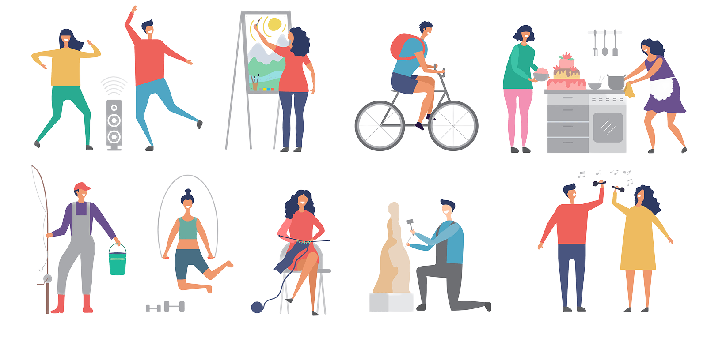
In a world where the hustle of daily life and the pressure to perform often dominate, hobbies offer more than just a pleasant diversion. They are crucial for mental well-being, personal growth, and even physical health. Whether it’s painting, gardening, reading, playing sports, or knitting, hobbies are often dismissed as mere leisure activities, but they hold profound benefits that go far beyond simple enjoyment. Here’s why having a hobby is not just a luxury, but a necessity for a balanced, fulfilling life.
1. Stress Relief and Mental Health Benefits

One of the most compelling reasons to engage in a hobby is its therapeutic effect. In today’s fast-paced world, stress is an inevitable part of life. Juggling work, family responsibilities, and personal commitments can leave little room for relaxation. Hobbies offer a much-needed escape. When you immerse yourself in a task you enjoy, it provides a break from daily pressures and allows your mind to reset. Activities like painting, knitting, or playing a musical instrument have been shown to reduce stress and anxiety by encouraging mindfulness — a state of focused relaxation where worries fade away.
Hobbies also have a measurable impact on mental health. Research has shown that engaging in a favorite activity releases endorphins, the brain’s “feel-good” chemicals, which help reduce symptoms of depression and increase overall feelings of happiness. Having a creative or physical outlet fosters positive emotional states and builds resilience against life’s challenges.
2. Boosts Creativity and Cognitive Function
A hobby can stimulate the brain and enhance cognitive abilities. Creative pursuits like writing, drawing, or photography engage different parts of the brain, encouraging innovative thinking and problem-solving. Even non-creative hobbies, such as puzzles or board games, can improve critical thinking and memory, sharpening focus and concentration.
Moreover, a hobby can provide a sense of accomplishment, which helps boost confidence and encourages personal growth. By learning something new, whether it’s a language, a musical instrument, or a sport, people develop new skills and expand their horizons. This continuous learning process enhances brain function and keeps the mind agile as we age.
3. Fosters Social Connections and Community Building
Hobbies often create opportunities for people to connect with others, whether through clubs, online groups, or informal meetups. Sharing a common interest with others helps build a sense of community, which is essential for maintaining social well-being. For example, joining a book club, taking a cooking class, or participating in a running group fosters meaningful connections and creates spaces for individuals to engage in social interactions beyond work or family obligations.
For many, hobbies can also serve as an avenue to meet like-minded people, forming new friendships and even professional networks. In a world where loneliness and isolation are becoming increasingly prevalent, hobbies can be a vital means of social support.
4. Improves Physical Health and Fitness
While many people associate exercise with traditional forms of physical activity like running or going to the gym, hobbies like dancing, hiking, or playing tennis also offer substantial fitness benefits. Engaging in physical hobbies helps improve cardiovascular health, flexibility, and strength, while also promoting better sleep patterns and reducing the risk of chronic illnesses like diabetes and heart disease.
Additionally, hobbies like gardening or DIY home improvement projects involve physical labor, which helps keep the body active and engaged. The benefits extend beyond physical health, as these activities also encourage mindfulness and relaxation, which contribute to better overall well-being.
5. Cultivates Passion and Purpose

In a world that often prioritizes productivity and tangible results, hobbies provide a space where people can pursue activities purely for the joy they bring. Unlike work or other obligations, hobbies allow individuals to engage in something they truly enjoy without the pressure of deadlines or performance expectations. This freedom fosters a sense of fulfillment, purpose, and passion.
Hobbies also provide a sense of identity. They allow people to express who they are outside of their professional roles or familial duties. Whether it’s through painting, writing, sports, or music, hobbies offer a creative outlet that helps individuals feel more connected to their true selves, boosting self-esteem and satisfaction with life.
6. Improves Time Management and Balance
Having a hobby forces individuals to make time for themselves, which can be particularly challenging in today’s busy world. Scheduling time for a hobby helps create a better work-life balance by ensuring that you have a designated “off time” away from professional duties and responsibilities. The discipline of managing time for a hobby also helps build better time-management skills, which can carry over into other areas of life.
Interestingly, engaging in hobbies can actually improve productivity in other parts of life. Taking regular breaks to focus on something enjoyable or relaxing helps recharge the mind, leading to increased energy and creativity when returning to work or other obligations.
7. Provides a Sense of Achievement and Personal Satisfaction
Completing a project or mastering a new skill through a hobby provides a sense of accomplishment that’s often absent in other areas of life. Whether it’s finishing a difficult puzzle, learning a new recipe, or finishing a marathon, hobbies offer tangible milestones and a sense of progression. This feeling of achievement can be incredibly rewarding, contributing to higher levels of self-worth.
Furthermore, hobbies often provide a long-term pursuit that adds depth to life. While career achievements may come and go, hobbies can become lifelong passions that provide a continuous source of satisfaction and joy.
Conclusion: Hobbies are Essential for a Balanced Life
Incorporating hobbies into daily life is not a mere luxury or afterthought — it’s a fundamental part of maintaining a healthy and balanced life. From reducing stress and improving mental health to boosting creativity, fostering social connections, and enhancing physical well-being, hobbies offer a wide array of benefits that contribute to overall happiness and fulfillment.
Whether you’re a seasoned hobbyist or someone who’s yet to discover your passion, make time for something you love. It might just be the key to unlocking a richer, more meaningful life.
