Dikhyaa Mohanty
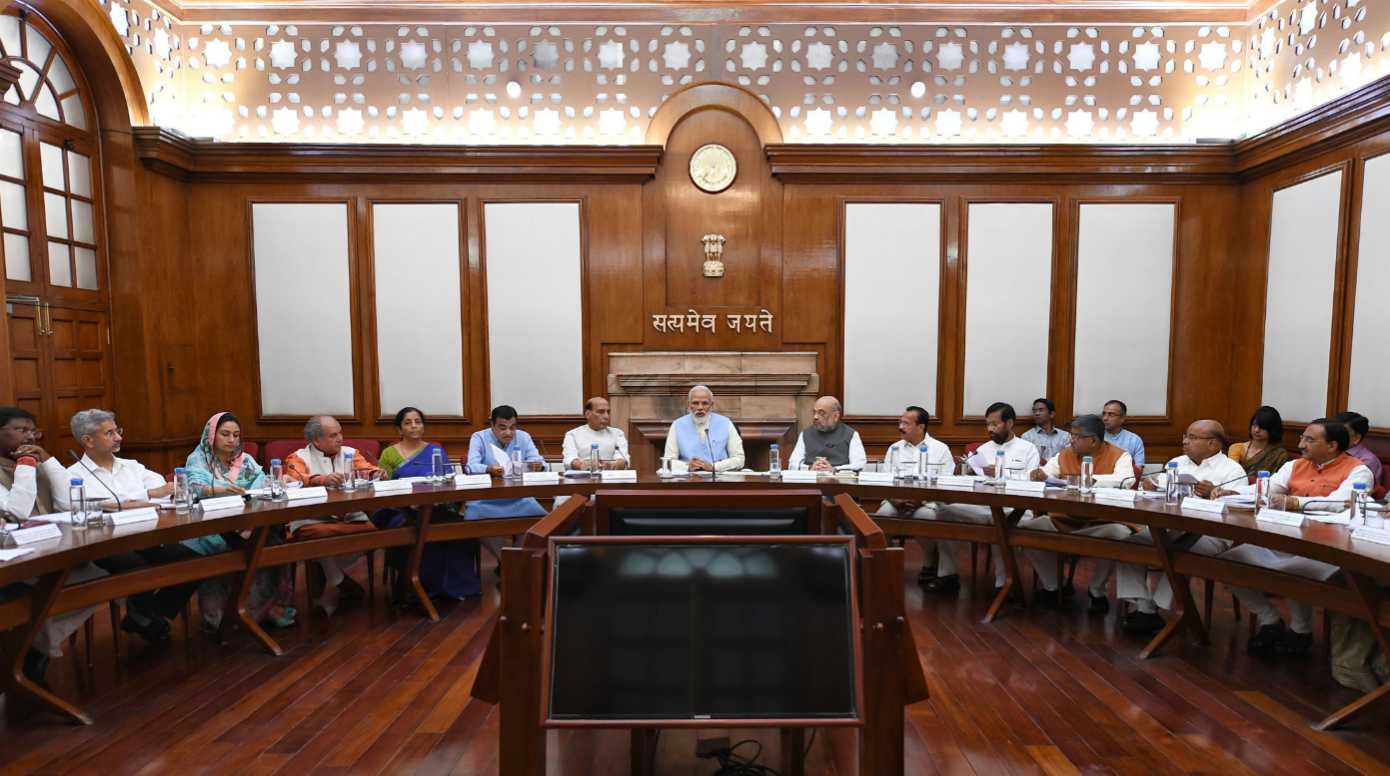
Chief Minister Mohan Charan Majhi presided over the inaugural meeting of the recently established Tribal Advisory Council (TAC). The council was established in November and has a two-year term limit. The Chief Minister reaffirmed the state government’s dedication to protecting tribal rights and delivering justice in all domains. This new council is likely to make a number of significant decisions during the following two years. Majhi underlined the importance of ensuring that the ORV Act provides justice for children of Scheduled Tribes and Castes. The Chief Minister added that every effort will be made to incorporate Tribes into society.
A proposal to alter the Transfer of Immovable Property (By Scheduled Tribes) Regulation, 1956, namely Regulation-2, was approved during the meeting. The state Cabinet adopted this proposal on November 14, 2023, after it was first presented at the tribal advisory council meeting on July 11, 2023. But at the cabinet meeting on January 29, 2024, it was reapproved. Additionally, the idea was approved by the Tribal Advisory Council, thereby blocking the transfer of tribal property.
In the upcoming days, further ideas for facilitating loans for tribal people’s vital needs, such marriage, higher education, or business, will be deliberated and decided. A proposal to add the Mundari language to the constitution’s eighth schedule was also approved at the conference. There were also talks for adding more indigenous languages to the ninth program. After some discussion, it was decided that more deliberation and decision-making were required about the draft Odisha PESA Rules. Tribal leaders from different levels participated in a state-level workshop, and the chief minister suggested a thorough discussion of these rules.
For tribal development, the state government has put in place a number of programs. On January 5, the Shahid Madho Singh Hatakarcha Yojana will begin, with the goal of encouraging higher education among Scheduled Tribes and lowering dropout rates. A yearly incentive of Rs 5,000 would be given to students in classes 9 and 11. Additionally, as part of the Shaheed Lakhnan Nayak School Transformation Program, efforts are underway to transform 705 schools into model schools.