
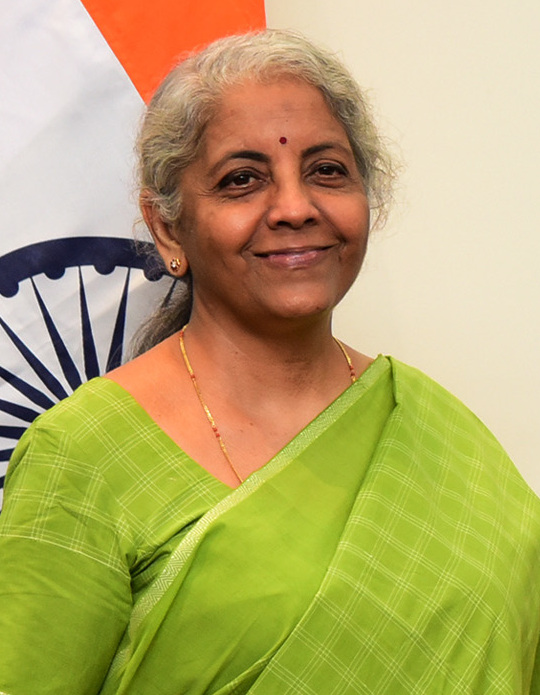
Union Finance Minister Nirmala Sitharaman announced on Saturday that under the new tax regime, annual incomes up to ₹12 lakh will be exempt from income tax. For salaried individuals, the threshold rises to ₹12.75 lakh after accounting for the standard deduction. Taxpayers in this income bracket will also benefit from a standard deduction of ₹75,000.
Following these tax cuts, the government estimates that this group will pay approximately ₹80,000 less in taxes each year. The revamped tax slabs, introduced under the Finance Bill 2025, are designed to offer significant relief, extending reduced personal income taxes for individuals earning up to Rs12 lakh annually.”Excluding certain types of income, like capital gains that are subject to special tax rates, individuals could qualify for a full tax rebate under Section 87A, leading to zero tax liability. This reform replaces the previous system and aims to significantly reduce the tax burden. For example, an individual who would have paid ₹80,000 in taxes would now pay nothing on a total income of Rs12 lakh. It’s important to note that the Finance Act 2023 had already designated the new regime as the default tax structure, according to Sohrab Bararia, partner at Grant Thornton Bharat.
Tax analysts noted that individuals earning ₹25 lakh annually would pay approximately ₹343,000 in taxes, a decrease from the ₹457,000 they currently owe. This reduction means they would have about 5% more of their income available, resulting in a monthly savings of around ₹9,500, which would provide significant relief to taxpayers, according to Adhil Shetty, CEO of BankBazar.com, as reported by news agency Reuters.
