Suparjya swain

FEATURE: Bhaskar Jyoti Sharma, an Indian Administrative Service (IAS) officer of the 1999 Odisha cadre, has established a notable career characterized by significant contributions to the governance and development of Odisha. On November 10, 2024, he assumed the position of Chairman-cum-Managing Director of the Odisha Power Transmission Corporation Limited (OPTCL), a role of paramount importance due to the state’s dependence on electricity for economic and social advancement. This appointment constitutes the most recent milestone in Sharma’s extensive administrative career, which spans more than two decades and encompasses a wide array of responsibilities across various sectors.
His distinguished background – an MTech in Power Systems from IIT Delhi, positions him exceptionally well for the top post at OPTCL. Additionally, his extensive experience and exposure in the power sector equip him to effectively navigate the challenges of Odisha’s power sector transmission and distribution.
Throughout his tenure in the IAS, Sharma has engaged deeply with the multifaceted challenges of governance in Odisha, a state distinguished by its diverse geographical and socio-economic landscape. Since 1999, he has occupied several pivotal roles that have enabled him to address critical issues such as land management, social welfare, and rural development. His efforts have frequently concentrated on the foundational elements of administration, where effective governance directly influences the lives of rural and marginalized communities.
In October 2023, prior to his current role at OPTCL, Sharma served as the Commissioner of Land Records & Settlement, overseeing the Directorate of Land Records & Surveys in Cuttack. This institution plays an essential role in managing land records, conducting surveys, and facilitating settlement operations, all of which are vital for transparent land governance, dispute resolution, and rural progress. His leadership in this position likely advanced the modernization of land administration, including the digitization of records, thereby enhancing access to ownership information and mitigating property-related conflicts.
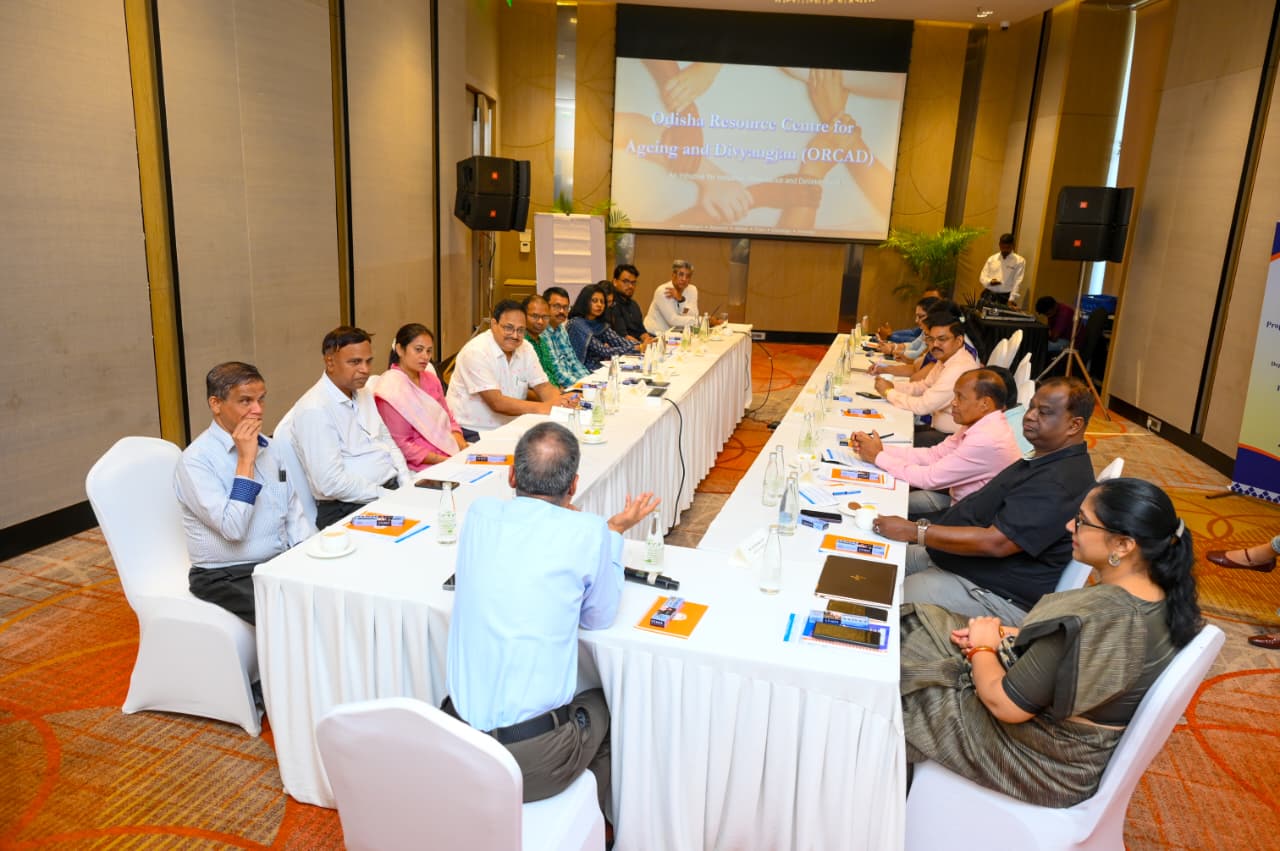
Earlier, in 2019, Sharma held the position of Commissioner-cum-Secretary to the Government in the Social Security & Empowerment of Persons with Disabilities Department. This role highlighted his dedication to social welfare, as he was tasked with designing and executing policies to support vulnerable populations, particularly persons with disabilities (PWDs). His responsibilities would have entailed collaboration with diverse stakeholders to improve the implementation of social security programs and promote the inclusion of marginalized groups within Odisha’s developmental framework.
Sharma’s administrative versatility is further demonstrated by his prior service as Commissioner-cum-Secretary in the Science & Technology Department. Although specific achievements from this tenure are not extensively recorded, it is plausible that he contributed to the enhancement of the state’s technological infrastructure and the promotion of innovation. Such efforts might have included advancing e-governance initiatives, strengthening disaster management systems, or supporting research aligned with Odisha’s developmental priorities.
In 2023, Sharma also served as the Director of Special Projects in the Panchayati Raj and Drinking Water Department, while concurrently holding the additional charge of Director of the Revenue Officers’ Training Institute (ROTI). These roles positioned him at the core of rural governance and infrastructure development. The Panchayati Raj system, a cornerstone of local self-governance in Odisha, benefited from his oversight, which likely strengthened these institutions to better serve rural constituencies. His management of drinking water initiatives addressed a pressing need in a state where access to potable water remains a significant challenge. Simultaneously, his leadership at ROTI supported the training and capacity-building of revenue officers, preparing them to effectively manage Odisha’s intricate land and revenue systems.
Sharma’s transition to OPTCL in 2024 represents a notable shift in his career focus, as he now directs the state’s power transmission infrastructure. This responsibility is crucial for Odisha’s economic advancement, given that reliable electricity underpins industrial growth and societal well-being. Although Sharma may lack a technical background in engineering, his extensive administrative experience provides him with the strategic acumen necessary to tackle the sector’s challenges. These include reducing transmission losses, upgrading aging infrastructure, and potentially incorporating renewable energy sources into the grid. His prior roles have refined his capacity to oversee large-scale projects and navigate complex public administration, skills that will prove essential in improving the efficiency and resilience of Odisha’s power transmission network.
A consistent theme in Sharma’s career is his focus on addressing the needs of Odisha’s rural and underserved populations. His contributions to land records and settlement have likely enhanced the transparency and efficiency of land governance, benefiting farmers and rural landowners. His work in social security and disability empowerment reflects a commitment to inclusive development, ensuring that the state’s progress encompasses its most vulnerable citizens. Furthermore, his involvement in panchayati raj and drinking water projects underscores his dedication to bolstering grassroots governance and improving essential services in rural areas.
Publicly available information about Sharma’s personal background, such as his education or early life, remains limited, a common trait among IAS officers whose professional accomplishments are prioritized over personal details to emphasize their public service roles. Similarly, specific individual achievements in each position are not extensively documented, reflecting the bureaucratic focus on collective governance rather than personal recognition. Nevertheless, the diversity of his experience across land management, social welfare, technology, rural development, and power transmission highlights his adaptability and the confidence placed in him by the state government to manage complex responsibilities.
As Sharma cruises on his tenure at OPTCL, he confronts the task of guiding Odisha’s power transmission sector toward greater efficiency and reliability. His success will hinge on his ability to apply his administrative expertise to address technical and operational challenges while considering the broader socio-economic context of the state. Given his proven track record, it is reasonable to anticipate that he will approach this role with the diligence and foresight that have characterized his career to date.
In summary, Bhaskar Jyoti Sharma’s professional journey exemplifies the vital role of IAS officers in shaping the developmental path of their states. Through his contributions to land governance, social welfare, rural development, and now power transmission, he has played an instrumental part in Odisha’s gradual advancement, often addressing issues that directly affect its most disadvantaged citizens. While his career is defined by a quiet commitment to public service rather than public recognition, the cumulative impact of his work is evident in the enhanced governance and infrastructure that serve the people of Odisha. As he continues in his current role, Sharma remains a central figure in the state’s pursuit of sustainable and inclusive growth.