Subhechcha Ganguly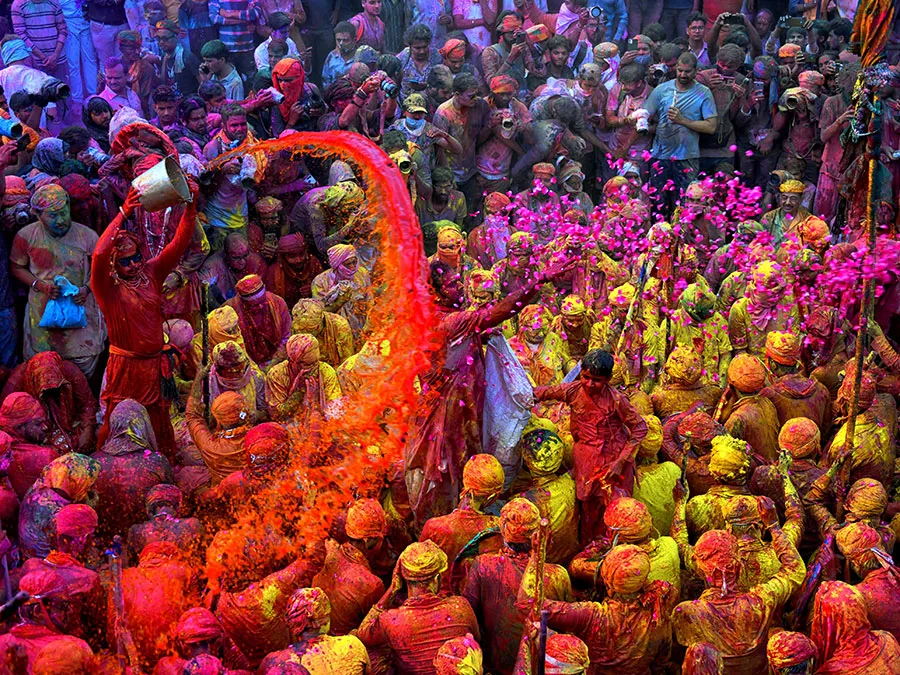
Holi, often referred to as the “Festival of Colors,” is one of the most vibrant and widely celebrated festivals in India and across the world. Marking the arrival of spring, Holi signifies the triumph of good over evil, the renewal of relationships, and the joy of life itself. With its origins in Hindu mythology, this festival transcends religious and cultural boundaries, bringing people together in an explosion of colors, laughter, and festivity.
Origins and Mythological Significance
Holi finds its roots in ancient Hindu traditions and is primarily associated with the legend of Prahlada and Holika. According to Hindu mythology, King Hiranyakashipu, a powerful demon king, wanted to be worshipped as a god. However, his son, Prahlada, remained devoted to Lord Vishnu. Enraged by his son’s defiance, the king sought to kill him. Hiranyakashipu’s sister, Holika, who was immune to fire, tricked Prahlada into sitting with her in a burning pyre. Miraculously, Prahlada emerged unharmed while Holika was reduced to ashes. This event symbolizes the victory of righteousness over wickedness and is commemorated through Holika Dahan, a ritualistic bonfire on the eve of Holi.
Another popular legend associated with Holi is that of Radha and Krishna. Lord Krishna, known for his playful nature, was concerned about his dark complexion compared to Radha’s fair skin. His mother, Yashoda, playfully suggested that he color Radha’s face in any shade he liked. This mischievous act later evolved into the colorful celebrations of Holi, where people smear each other with gulal (colored powders) as a mark of love and unity.
The Celebration of Colors
The highlight of Holi is undoubtedly Rangwali Holi, celebrated on the second day. Streets and open spaces turn into playgrounds of color as people throw powdered hues, splash water, and dance to the beats of traditional and modern music. The atmosphere is filled with joy, laughter, and a sense of camaraderie, breaking social barriers and fostering harmony.
Customs and Traditions
- Holika Dahan: On the eve of Holi, bonfires are lit to signify the burning away of evil, much like Holika in the legend. People gather around, perform rituals, and offer prayers for prosperity and happiness.
- Color Play: The next day, people of all ages step out in white clothing, ready to be drenched in colors. Organic powders and colored water are used to create a riot of hues.
- Sweets and Feasting: No festival is complete without a culinary delight. Holi is synonymous with gujiya (a deep-fried pastry filled with sweet stuffing), thandai (a traditional milk-based drink often mixed with mild intoxicants), and other festive treats.
- Music and Dance: Folk songs, Bollywood numbers, and traditional dhol beats fill the air as people dance and celebrate without inhibitions.
Holi Beyond India
Holi has gained popularity worldwide, with grand celebrations in countries like Nepal, the USA, the UK, Canada, Australia, and Mauritius. In recent years, Holi-inspired color festivals have become global phenomena, promoting unity, diversity, and joy among different cultures.
The Deeper Message of Holi
Beyond the revelry, Holi conveys a profound message of forgiveness, renewal, and social harmony. It encourages people to let go of past grievances, mend broken relationships, and embrace each other with love and positivity. The festival teaches that life, much like colors, is beautiful when shared with others.
As Holi approaches, the air is filled with anticipation and excitement, reminding us that joy, love, and unity are the true colors of life. So, this Holi, immerse yourself in the vibrant hues, spread happiness, and celebrate the spirit of togetherness!
Happy Holi!