Smita Mishra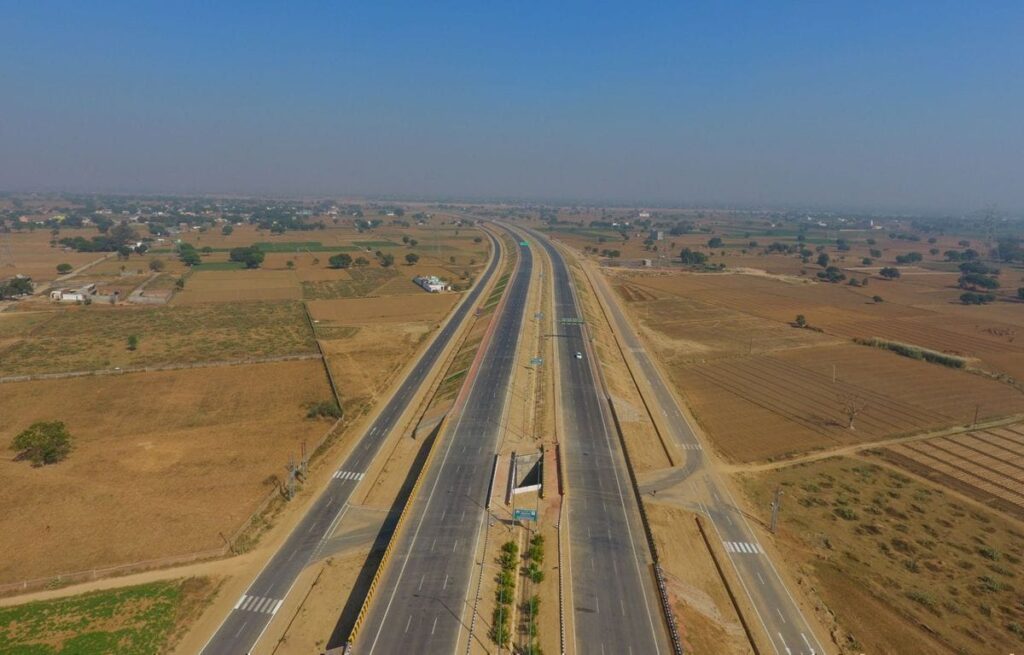
Eastern India, long considered a sleeping giant in the country’s economic journey, is now waking up to a future shaped by modern infrastructure. One of the most significant projects currently underway is the Varanasi–Kolkata Expressway—a 610-kilometer six-lane greenfield highway that promises to transform the region’s logistics, economy, and connectivity. Passing through four key states—Uttar Pradesh, Bihar, Jharkhand, and West Bengal—this expressway is more than just a road. It is a high-speed corridor to progress.
Planned as part of the Bharatmala Pariyojana, a flagship infrastructure program of the Government of India, this expressway is designed to boost connectivity between major economic hubs and facilitate faster movement of goods and people. The journey from Varanasi to Kolkata, which currently takes around 12 to 14 hours, will be cut down to nearly 6 hours once the expressway is completed. This time saving is crucial for industries, transporters, and businesses that rely on smooth supply chains.
Laid in February 2024, the foundation stone for this mega-project has sparked a new wave of optimism across the Eastern region. With an expected completion timeline around 2026–27, the expressway is under active construction in multiple phases. Work is progressing swiftly across various packages, and land acquisition is nearly complete in many stretches. Thousands of workers, engineers, and heavy machines are now part of this transformation.
The economic benefits of the Varanasi–Kolkata Expressway are vast and wide-ranging. One of the biggest impacts will be on logistics and transportation. Eastern India produces large quantities of agricultural goods, minerals, and industrial products. However, slow and inefficient road networks have often been a bottleneck in reaching markets in other parts of the country. This expressway will provide a high-speed corridor that connects these production centers with consumption zones and export hubs.
For instance, Bihar and eastern Uttar Pradesh are major producers of grains, vegetables, and sugarcane. Faster access to markets in West Bengal and ports in Kolkata means reduced wastage, better prices for farmers, and increased competitiveness. Jharkhand, known for its rich mineral reserves, will be able to transport coal, iron ore, and other materials more efficiently. Meanwhile, West Bengal’s manufacturing and logistics sectors will benefit from a better supply chain network.
Another key benefit of the expressway is job creation. From construction jobs during the building phase to permanent roles in logistics, maintenance, and allied services, the project is expected to generate thousands of employment opportunities. Moreover, better connectivity often leads to the development of roadside infrastructure such as rest areas, petrol stations, food plazas, and small businesses. Local communities will see improved access to markets, education, and healthcare facilities.
Environmental planning has also been given attention in this project. Green corridors, proper drainage systems, and eco-friendly construction methods are being used to ensure minimal disruption to the local ecology. The use of digital project monitoring tools and modern construction equipment helps ensure quality and safety at every stage of development.
One of the most exciting prospects of this expressway is its potential to create industrial growth corridors. The government plans to promote economic activity along the expressway route by developing logistics parks, industrial zones, and warehousing hubs. This can attract both domestic and international investors to set up manufacturing and distribution centers in the region. With land being more affordable in these states compared to metros, businesses may find this an ideal base of operations.
The expressway will also be a boost for tourism. Varanasi is one of the world’s oldest cities and a major religious destination, while Kolkata is a cultural and historical hub. Improved road access between these two iconic cities could increase domestic travel and give rise to new hospitality and service industries. Small towns and unexplored regions along the way will likely benefit from tourism-related income.
Of course, a project of this scale comes with its challenges. Land acquisition, environmental clearances, coordination among multiple state agencies, and maintaining timelines are always hurdles. However, the government’s commitment to this project, along with private sector participation, is helping to navigate these issues effectively. The expressway is being built in multiple packages, with each section managed by reputed infrastructure companies to maintain efficiency and quality.
As Eastern India catches up with the more developed western and southern regions, infrastructure like the Varanasi–Kolkata Expressway plays a critical role. It is not just about faster travel; it’s about unlocking the true potential of a region that has been waiting too long for its turn to shine. This expressway could very well be the road that drives Eastern India into a brighter, more prosperous future.
Moreover the Varanasi–Kolkata Expressway is more than just a highway. It is a vision—a bold step toward bridging regional gaps, empowering economies, and bringing people closer together. As construction continues and milestones are achieved, it will stand as a symbol of growth, speed, and the promise of Eastern India’s resurgence.
- Armed Forces To Buy ‘Pralay’ Missiles, Deploy Along China Border:
- Mastering Mobile Manners: The Art of Correct Usage
- The Educators Take Accountability… The Students Inquire about their Future!
- In Conversation with Author Khushi Jain about Importance of Financial Stability for Women Interview Questions by Psychologist Roger Harris