
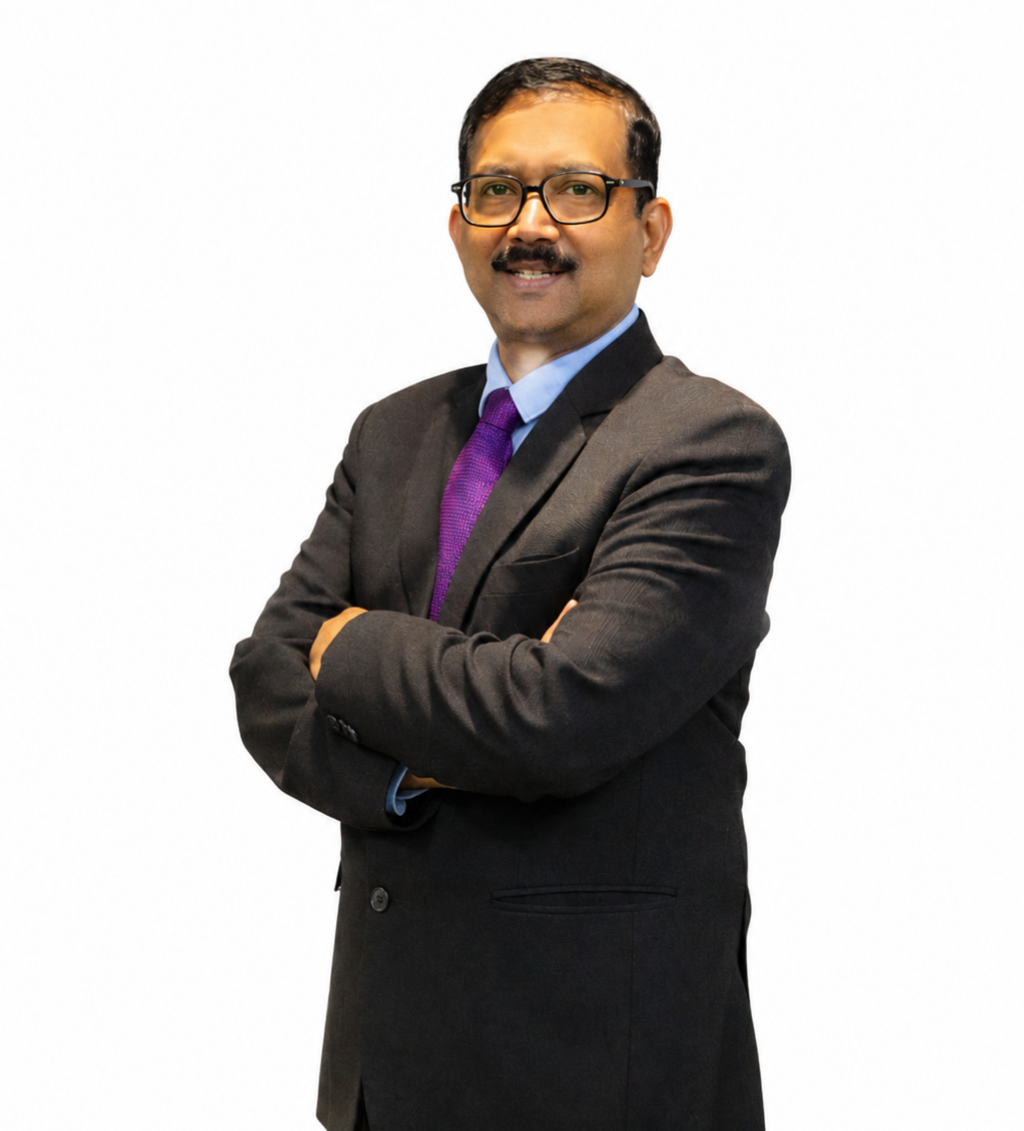

Across the global energy landscape, very few leaders have successfully combined technical mastery, operational resilience, and social commitment as effectively as Khitish Nayak. With more than thirty-seven years of experience across India and international oil and gas sectors, Nayak’s professional journey reflects not only industrial excellence but also a deep commitment to nation-building, employment generation, and sustainable leadership.
Having worked with renowned organisations such as Vedanta, Cairn Oil & Gas, Saudi Aramco, Shell Oman, and Oil India Limited, Nayak has witnessed the transformation of the global energy sector from conventional operational systems to technologically driven and sustainability-oriented frameworks. Throughout this extensive journey, his leadership philosophy has remained remarkably consistent—create opportunities for people, strengthen institutions, and deliver projects with uncompromising standards of safety and quality.
Early exposure to challenging assignments in the remote regions of North East India played a defining role in shaping his approach toward leadership and problem-solving. Managing operations under difficult geographical and socio-political conditions at a young age taught him adaptability, resilience, and the importance of human relationships in industrial success. Those formative years helped build a leadership mindset capable of handling large-scale operational complexities across different parts of the world.
One of the most defining achievements of Nayak’s career was the revival of the Bhandut oil field, which had remained commercially inactive for nearly twenty-seven years. Restarting production from a dormant field demanded more than technical expertise. The project required overcoming infrastructural bottlenecks, rebuilding operational confidence, addressing social concerns, and coordinating extensively with authorities and local stakeholders. Through disciplined planning, collaborative execution, and continuous engagement with surrounding communities, production was restored within a remarkably short timeframe. The turnaround became a powerful example of how strategic leadership and collective teamwork can unlock the potential of long-abandoned industrial assets.
Beyond operational achievements, Nayak’s career has been deeply influenced by his commitment to social development and inclusive growth. His nomination for the Padma Shri in 2023 for social work reflected decades of contributions toward community empowerment and employment generation. A significant portion of his efforts has focused on supporting underprivileged youth living near operational energy fields by creating opportunities for skill development, vocational training, and long-term careers.
He strongly believes industries operating in resource-rich regions carry responsibilities that go beyond economic output. Industrial growth, according to him, must also contribute toward improving local livelihoods, empowering communities, and building long-term social stability. This belief became particularly evident during his tenure at DRIPL in Assam, where he served as Area Manager and later as General Manager. Working in a highly sensitive environment required a careful balance of operational efficiency, stakeholder engagement, and social trust-building. Under his leadership, the organisation not only strengthened its operations but also created employment opportunities that transformed the lives of many local youths, several of whom later built successful international careers.
Nayak’s influence has extended beyond operational leadership into policy-level transformation. Over the years, he has actively contributed to labour reform committees, mining regulation amendments, occupational safety initiatives, and oil mine regulatory frameworks. His experience working closely with ministries, regulatory bodies, and government institutions has given him valuable insight into India’s evolving energy governance ecosystem. He advocates for simplified regulatory procedures, stronger collaboration between government and industry, and faster adoption of emerging energy technologies without compromising environmental safeguards.
Sustainability remains another major pillar of his professional philosophy. Through his involvement in public hearings and environmental compliance initiatives during assignments at Vedanta and Cairn Oil & Gas, Nayak observed how transparency and community participation are becoming increasingly important in large-scale industrial operations. He believes India’s energy future depends on maintaining a balanced approach—simultaneously strengthening conventional energy production while aggressively investing in renewable energy, green hydrogen, and sustainable technologies.
His perspective on safety culture is equally compelling. Having managed high-pressure drilling operations, complex well-control situations, and critical industrial risks across multiple countries, Nayak argues that safety cannot merely exist as a compliance exercise. Organisations must cultivate genuine ownership of safety at every level of the workforce. Leadership involvement, continuous training, awareness-building, and behavioural accountability are essential to building a long-term culture of operational safety and sustainability.
Several crisis situations during his career tested both his technical expertise and emotional resilience. One recent well-control incident, which required immediate coordination between teams, authorities, and stakeholders, reinforced the importance of calm leadership under pressure. According to Nayak, preparedness, disciplined communication, and collective decision-making often determine whether organisations can successfully navigate high-risk situations.
Working across culturally diverse regions such as Assam, Gujarat, Rajasthan, Oman, Georgia, and Saudi Arabia also shaped his people-management philosophy. Respecting local traditions, understanding regional sensitivities, and encouraging inclusive participation became essential components of his leadership style. He believes successful execution in global operations depends heavily on the ability to build trust across cultural and social boundaries.
Technology and innovation are central to Nayak’s vision for the future of the energy sector. He sees artificial intelligence and advanced digital technologies as transformative tools capable of improving operational efficiency, predictive maintenance, exploration accuracy, and strategic decision-making. According to him, India’s next generation of energy leaders must combine technical knowledge with adaptability, ethical discipline, and a global mindset to succeed in an increasingly dynamic global economy.
Despite operating at the highest levels of the global energy industry, Nayak continues to emphasise values such as humility, integrity, empathy, and emotional intelligence. He believes leadership is fundamentally about understanding people, building trust, and maintaining meaningful human connections. Technical expertise may drive operations, but empathy and communication ultimately hold large organisations together during periods of uncertainty and change.
For young engineers and professionals, especially those from smaller towns and modest backgrounds, his advice remains practical and encouraging. Continuous learning, discipline, communication skills, and perseverance, he says, are the real differentiators in long-term success. Rapid achievements may attract attention temporarily, but sustainable careers are built gradually through resilience, consistency, and an openness to learning from every experience.
More than awards, designations, or industry recognition, Khitish Nayak hopes to be remembered as someone who contributed meaningfully toward nation-building by creating opportunities, supporting communities, mentoring future generations, and promoting a culture of safety and continuous learning. His journey stands as a powerful example of leadership that balances industrial ambition with social responsibility, proving that the true impact of leadership extends far beyond business performance alone.
