

Many of our daily actions occur without conscious thought. We switch off lights automatically, tap our feet during conversations, or absent-mindedly twirl a pen while thinking. Similarly, our minds engage in unconscious processes that influence how we experience and express emotions. One such process is reaction formation—a psychological defense mechanism that causes people to behave in ways that are opposite to their true feelings.
Even highly self-aware individuals are not always conscious of the mental processes shaping their behavior. The human mind is complex, and many of its protective mechanisms operate beneath the surface. While these unconscious responses are designed to shield us from emotional discomfort, they can sometimes create a disconnect between our genuine feelings and our outward actions.
What Is Reaction Formation?
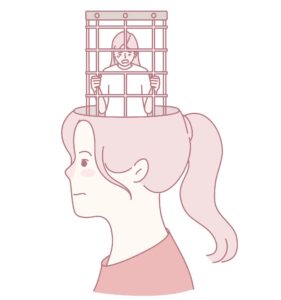
Reaction formation is a defense mechanism in which a person unconsciously replaces an uncomfortable or unacceptable emotion with its opposite. This process often occurs when certain thoughts, feelings, or desires generate anxiety or conflict with social expectations and personal beliefs.
Rather than acknowledging these emotions, the mind attempts to suppress them by expressing contrasting behaviors. Although this may temporarily reduce discomfort, it can also prevent individuals from understanding and embracing their authentic emotions.
In some cases, reaction formation overlaps with sublimation, where socially unacceptable impulses are redirected into more acceptable forms of expression. For example, instead of openly expressing anger, a person may become excessively pleasant because they fear negative judgment or social rejection.
Common Examples of Reaction Formation
At first glance, acting opposite to one’s true feelings may seem irrational. However, reaction formation is surprisingly common and can appear in many everyday situations, such as:
- A person frequently insists that romantic relationships are meaningless while secretly longing for love and companionship.
- Someone displays excessive confidence to conceal deep feelings of insecurity.
- An individual constantly teases a person they are attracted to instead of expressing genuine affection.
- A person who feels resentment toward someone may go out of their way to appear unusually kind and accommodating.
These behaviors are often easier to recognize in others than in ourselves because reaction formation operates unconsciously. However, increased self-awareness can help individuals identify these patterns and better understand the emotions driving them.
How External Influences Contribute to Reaction Formation
Social and environmental factors often play a significant role in the development of reaction formation.
For example, individuals who grow up in environments that discourage certain beliefs, identities, or emotions may learn to suppress their genuine feelings to gain acceptance. In societies where strict gender expectations exist, people may feel ashamed of interests or behaviors that do not align with traditional roles.
Family dynamics can also contribute to this defense mechanism. Children who are taught that expressing emotions such as anger, sadness, or vulnerability is unacceptable may carry these beliefs into adulthood. As a result, they may struggle to acknowledge or communicate their true feelings.

Practices such as self-reflection, emotional awareness, and inner-child work can help individuals recognize and challenge these learned patterns. While external influences may shape emotional responses, people can learn healthier ways to process and express their emotions.
Is Reaction Formation Harmful?
Reaction formation is not inherently harmful. Like other defense mechanisms, it is the mind’s attempt to protect itself from emotional discomfort. However, while it may offer temporary relief, it does not eliminate the underlying emotions.
Suppressing feelings rather than processing them can lead to emotional tension over time. Much like pressure building inside a sealed container, unresolved emotions often resurface later, sometimes causing confusion, stress, or emotional distress.
Additionally, when people remain disconnected from their genuine feelings, it becomes more difficult to develop a strong sense of self and maintain authentic relationships. Understanding and accepting emotions—even uncomfortable ones—is essential for emotional well-being and personal growth.
How to Overcome Reaction Formation
Recognizing reaction formation is the first step toward reducing its influence. Developing emotional awareness and practicing healthy self-reflection can help individuals respond to their feelings more authentically.
- Practice Self-Reflection
Regular self-reflection helps strengthen emotional awareness and identify hidden feelings. Journaling, mindfulness exercises, or simply taking time to evaluate emotional reactions can provide valuable insight into unconscious patterns.
- Understand the Underlying Cause
Ask yourself why certain emotions feel difficult to acknowledge. Understanding the reasons behind your reactions can help uncover fears, insecurities, or beliefs that may be influencing your behavior.
Learning about psychological defense mechanisms can also provide reassurance. Recognizing that reaction formation is a common human experience often reduces feelings of shame and encourages self-understanding.
- Cultivate Self-Compassion
Self-compassion is essential when addressing unconscious behaviors. Instead of criticizing yourself for past actions, acknowledge that these responses developed as a way of coping with emotional challenges.
Treat yourself with the same kindness and patience you would offer a friend. Remember that personal growth is a continuous process, and greater awareness creates opportunities for positive change.
- Prioritize Honest Communication
Being honest with others often begins with being honest with yourself. Give yourself permission to acknowledge and express your emotions in healthy, respectful ways.

If you tend to avoid conflict or seek approval from others, you may find it difficult to share your true feelings. However, expressing your thoughts constructively can strengthen relationships, improve self-confidence, and promote emotional well-being.
Final Thoughts
Understanding how reaction formation works can provide valuable insight into your emotional world. By becoming more aware of your thoughts, feelings, and behavioral patterns, you can begin to recognize when you are acting from a place of emotional protection rather than authenticity.
Greater self-awareness, self-compassion, and emotional honesty can help you align your actions with your true feelings, leading to healthier relationships, stronger self-esteem, and a more fulfilling life.
