
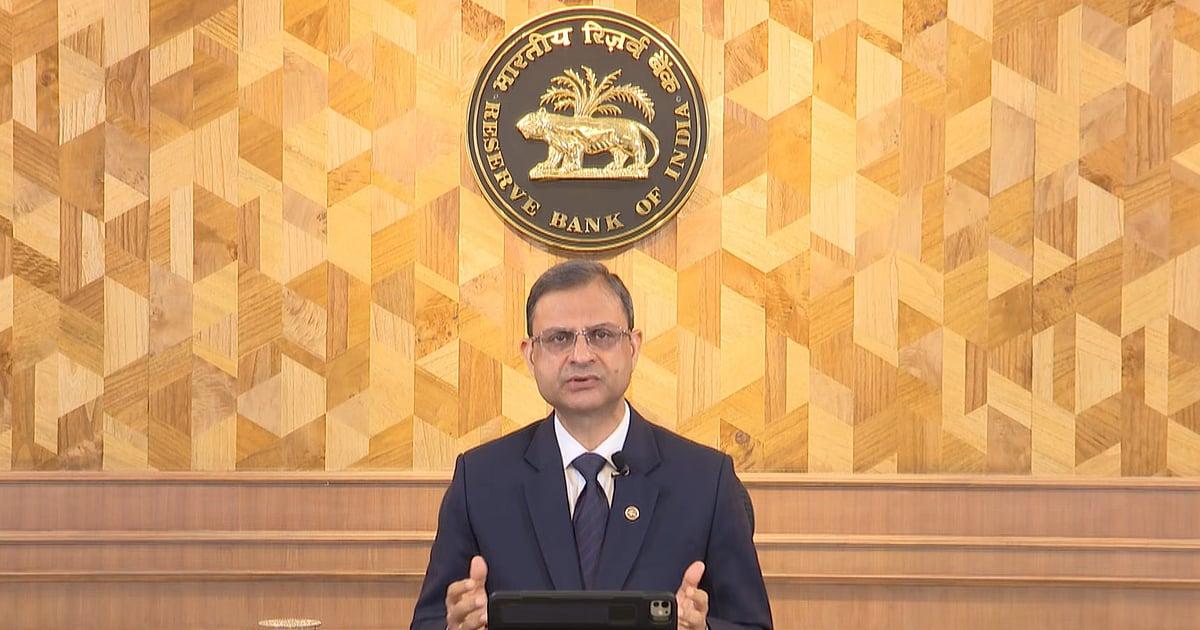
The Reserve Bank of India (RBI) has raised its benchmark repo rate by 25 basis points to 5.50 per cent, marking the central bank’s first rate increase since February 2023. The decision, announced on Wednesday after the latest meeting of the Monetary Policy Committee (MPC), represents a significant shift in the RBI’s monetary-policy approach as inflationary pressures increase amid rising crude-oil prices and continuing geopolitical uncertainty.
The six-member MPC unanimously backed the increase. Alongside the rate hike, the central bank shifted its policy stance from “neutral” to “calibrated tightening”, signalling that policymakers are prepared to respond further if inflationary pressures continue to intensify. Reuters
The decision comes at a complicated moment for the Indian economy. India continues to record strong economic growth, but the environment around that growth has become more uncertain. Retail inflation rose to 4.82 per cent in August, remaining above the RBI’s medium-term target of 4 per cent for the third consecutive month. Higher food and energy prices have become particular areas of concern.
The prolonged conflict in West Asia has also pushed global energy prices higher. Crude oil prices above the $100-per-barrel level have increased worries about India’s import bill and the possibility of further inflationary pressure. India remains heavily dependent on imported crude oil, meaning a sustained increase in international oil prices can affect transportation, manufacturing, household expenses and the prices of a wide range of goods and services.
The RBI’s decision therefore represents an attempt to prevent temporary price pressures from becoming entrenched.
At the same time, the central bank has not painted a pessimistic picture of India’s growth prospects. It has actually raised its FY27 GDP growth projection to 7.1 per cent from 6.7 per cent, reflecting stronger-than-expected domestic economic activity. India’s April-June quarter growth was reported at 7.8 per cent, demonstrating that demand and economic activity remain comparatively resilient despite global uncertainty. The Indian Express
The combination of a rate hike and an upward growth forecast makes the latest policy particularly significant. It suggests that the RBI believes the Indian economy is strong enough to absorb somewhat tighter financial conditions while the central bank focuses more aggressively on inflation.
For ordinary borrowers, however, the announcement could have immediate significance.
When the repo rate rises, banks face a higher cost of borrowing funds from the central bank. Depending on how individual banks transmit the increase, lending rates can subsequently rise. Borrowers with floating-rate home loans, vehicle loans and other variable-rate credit could therefore see their interest costs increase.
Home-loan borrowers are likely to watch the transmission particularly closely. Even a relatively small change in interest rates can increase the monthly EMI or extend the repayment period when a loan has a large outstanding balance.
There may also be a positive side for savers. Banks could respond to a higher interest-rate environment by increasing rates on certain deposits and fixed-income products, although the exact impact will vary from bank to bank.
The RBI’s policy change is also important for financial markets. Investors are closely watching how the central bank balances inflation against growth, particularly as global investors assess emerging-market economies amid geopolitical uncertainty.
The change to “calibrated tightening” is perhaps the most closely watched element beyond the 25-basis-point increase. The wording indicates that the RBI is no longer simply waiting for inflation to ease on its own. Instead, it is signalling a willingness to use monetary policy if necessary.
Governor Sanjay Malhotra and the MPC are therefore confronting a difficult balancing act. A prolonged period of high oil prices could push inflation higher, while excessive tightening could weaken investment and consumer demand.
For now, the RBI appears to believe that the Indian economy has sufficient momentum to withstand a modest increase in borrowing costs.
The latest decision also highlights how events outside India’s borders can directly affect domestic economic policy. The West Asia conflict, crude-oil prices, global financial conditions and currency movements are all influencing the policy environment in India.
The coming months will reveal whether Wednesday’s rate hike is a one-off intervention or the beginning of a broader tightening cycle. Much will depend on inflation, oil prices, food costs and the trajectory of economic growth.
For millions of Indian borrowers, savers and businesses, however, one message from Wednesday’s announcement is already clear: the era of easier monetary conditions has become less certain, and the fight against inflation has moved back to the centre of India’s economic policy debate.
