
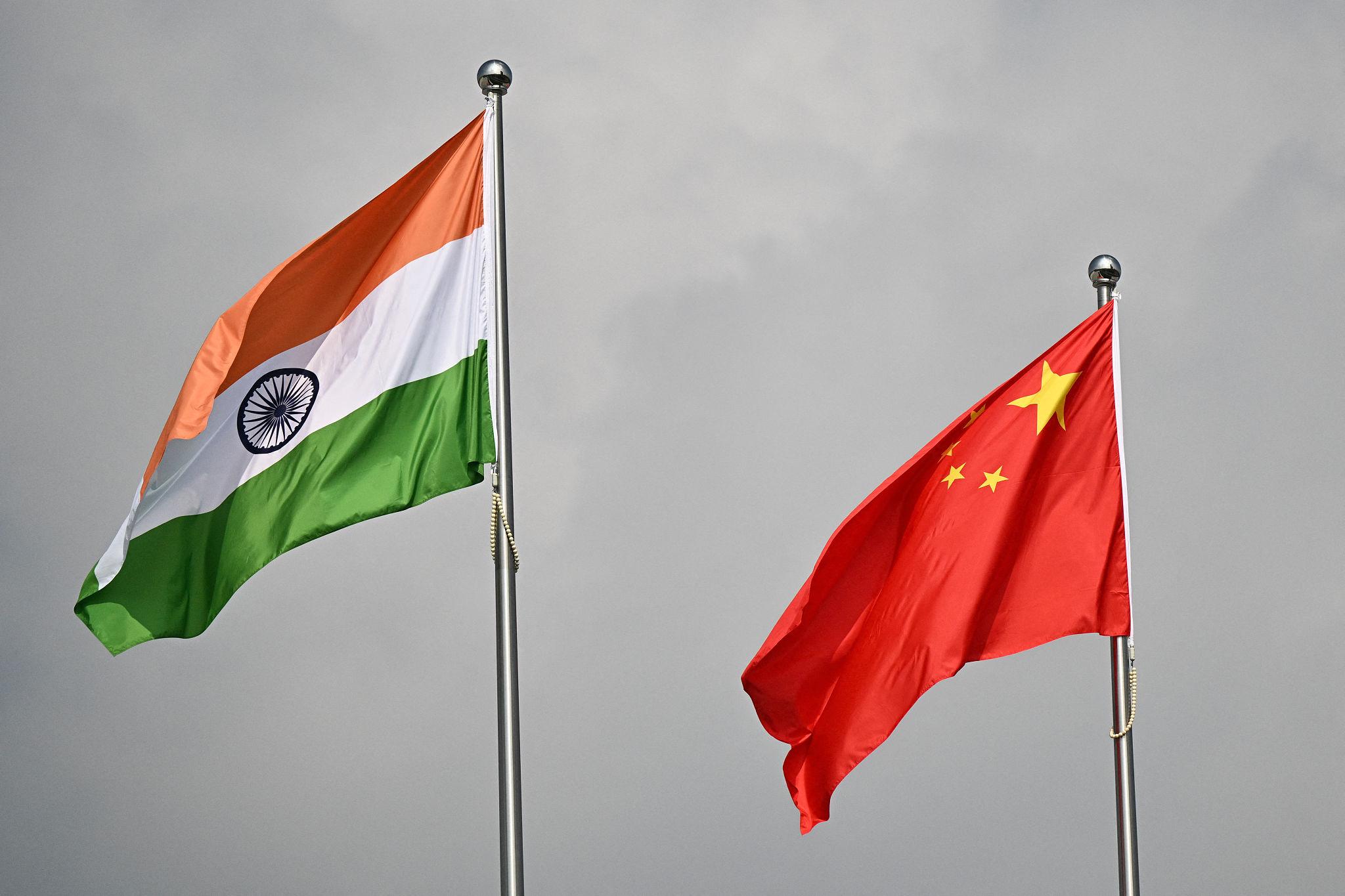
India has renewed its concerns over the growing trade imbalance with China, with Finance Minister Nirmala Sitharaman highlighting restrictions on market access for Indian products. Beijing has responded by expressing its willingness to work with New Delhi to address economic and trade-related concerns.
The development, reported on Friday, October 16, comes as both countries face the challenge of strengthening commercial ties while addressing differences over trade practices and market access.
India highlights barriers to market access
During discussions on the economic relationship between the two countries, Sitharaman pointed to non-tariff barriers as an important factor contributing to the widening trade deficit. Such barriers can include regulatory requirements, certification procedures, administrative restrictions and other measures that make it more difficult for foreign products to enter a market.
India has been seeking more balanced trading conditions, particularly for domestic businesses that want to expand their exports to China. While Indian imports from China remain substantial, Indian exporters continue to face challenges in increasing their presence in the Chinese market.
The issue is significant for Indian manufacturers and exporters looking to access one of the world’s largest consumer and industrial markets. Improving market access could create opportunities for Indian businesses and potentially help narrow the trade gap over time.
China signals willingness to engage
In response to India’s concerns, China said it was ready to work with India to address trade-related issues. The response indicates that both sides remain open to dialogue despite the differences surrounding market access and the imbalance in bilateral commerce.
However, a willingness to engage does not itself mean that any agreement has been reached or that existing trade barriers have been removed. The effectiveness of further discussions will depend on the measures both countries are prepared to take and whether those measures lead to tangible improvements for businesses.
For India, the challenge is to ensure that diplomatic engagement translates into fairer opportunities for domestic exporters without unnecessarily disrupting the supply chains on which Indian industries depend.
The wider economic significance
The growing trade imbalance with China remains an important concern for India’s economic policymakers. A large gap between imports and exports can affect domestic manufacturing priorities, foreign-exchange demand and the country’s broader trade strategy.
At the same time, Chinese goods and industrial inputs play a role in several Indian manufacturing and commercial sectors. Any approach to correcting the imbalance therefore requires consideration of both export opportunities and the needs of industries that depend on imported components.
India’s position reflects an effort to pursue a more balanced relationship through formal dialogue while pressing for better access for its products.
What happens next?
The immediate question is whether the renewed willingness to cooperate will lead to substantive discussions on non-tariff barriers and improved conditions for Indian exporters. Progress would depend on specific policy changes, regulatory cooperation and the ability of businesses on both sides to benefit from any improvements.
For now, the exchange represents a fresh development in India-China economic relations on October 16. It highlights India’s continuing push for fairer trade conditions and China’s stated readiness to engage, while leaving the practical outcome of future discussions unresolved.
